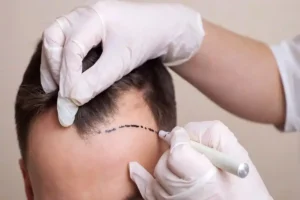
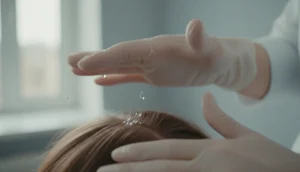
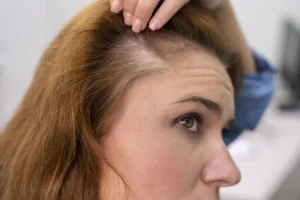
When it comes to a front baldness treatment, many people feel uncertain about which approach will deliver the best, most natural results. This article explores the full spectrum of options—both non‑surgical and surgical—so you can make an informed decision based on your unique pattern of hair loss, lifestyle, and budget. Did you know that up to 30 % of men experience noticeable thinning at the hairline before age 35? Early intervention can dramatically improve the final outcome. We’ll walk through the causes of frontal hair loss, evaluate the most popular therapies, and outline the steps to prepare for a successful treatment journey.
Understanding the underlying factors that lead to a receding hairline is the first step toward a tailored solution. From genetic predisposition to hormonal changes, each cause may respond differently to specific interventions. Throughout the following sections, you’ll find clear explanations, practical checklists, and side‑by‑side comparisons that demystify the process and help you set realistic expectations.
Whether you are considering a simple topical regimen or planning a full‑scale follicular unit extraction (FUE) transplant, the information below will guide you toward a confident, lasting restoration of your front hairline.
Understanding Front Baldness: Causes and Diagnosis
Before selecting a front baldness treatment, it’s essential to recognize why the hairline recedes in the first place. The most common factors include:
- Genetic predisposition (androgenetic alopecia)
- Hormonal imbalances, especially elevated DHT levels
- Chronic stress and poor nutrition
- Scalp inflammation or dermatological conditions
- Traction from tight hairstyles or frequent pulling
Diagnosing the exact cause typically involves a clinical examination, a detailed medical history, and sometimes a scalp biopsy. Below is a quick reference table that highlights key diagnostic tools and what they reveal about frontal hair loss.
| Diagnostic Tool | What It Shows | Typical Use |
|---|---|---|
| Dermatoscopy | Miniaturized follicles, perifollicular inflammation | Initial assessment |
| Blood Hormone Panel | DHT, testosterone, thyroid hormones | Identifying hormonal contributors |
| Scalp Biopsy | Follicular density, pattern of loss | Confirming androgenetic alopecia vs. other disorders |
Armed with a clear diagnosis, you can match the most suitable front baldness treatment to your specific condition, ensuring higher efficacy and fewer unnecessary procedures.
Non‑Surgical Front Baldness Treatment Methods
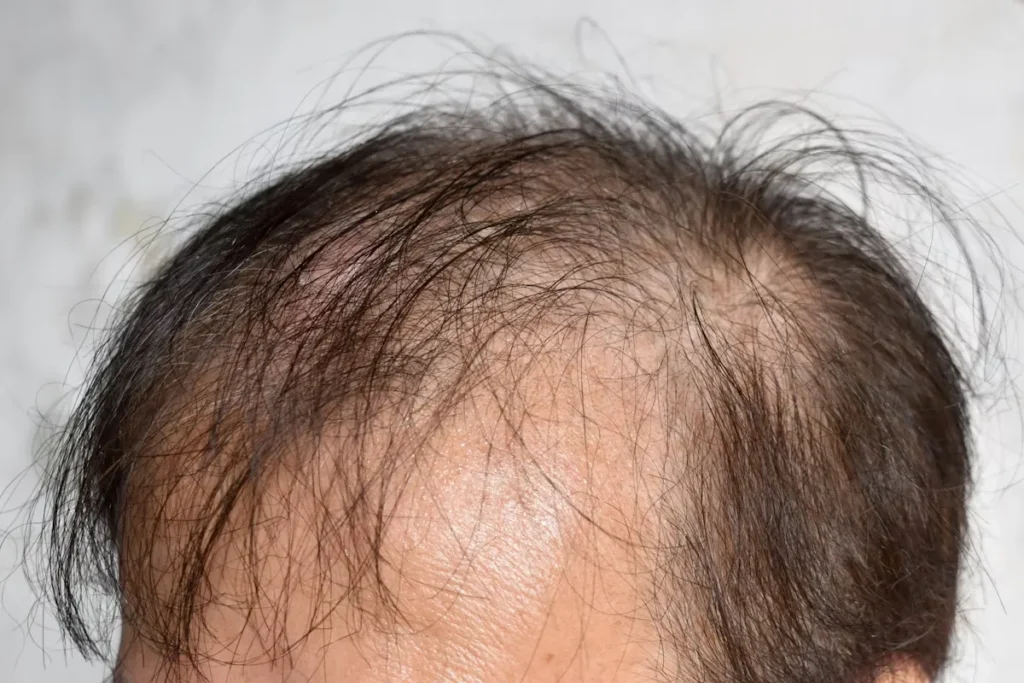
For many individuals, the first line of defense against a thinning hairline consists of non‑invasive therapies. These options are often affordable, require minimal downtime, and can be combined for synergistic effects. Below are the most widely adopted non‑surgical approaches.
Topical Medications
Minoxidil (2 % or 5 %) remains the gold standard in topical treatment. It works by widening blood vessels and extending the growth phase of hair follicles. Consistent application twice daily can yield visible improvement within three to six months.
Platelet‑Rich Plasma (PRP) Injections
PRP uses your own blood platelets to stimulate growth factors directly within the scalp. A typical regimen includes three sessions spaced four weeks apart, followed by maintenance injections every six months.
Low‑Level Laser Therapy (LLLT)
LLLT devices, such as laser combs or caps, emit red light that enhances cellular metabolism in hair follicles. Clinical studies suggest a 30‑40 % increase in hair density after 12‑week treatment cycles.
Here is a concise comparison of these non‑surgical options:
| Method | Typical Duration | Success Rate | Key Advantage |
|---|---|---|---|
| Minoxidil | 3–6 months | ~35 % | Easy home use |
| PRP Injections | 6–12 months | ~45 % | Natural growth factors |
| LLLT | 12 weeks | ~30 % | Non‑invasive, painless |
While none of these methods can fully replace a surgical front baldness treatment for advanced recession, they are excellent for early‑stage thinning and for maintaining results after a transplant.
Surgical Front Baldness Treatment Options
When non‑surgical methods are insufficient, surgical interventions provide the most permanent solution for a receding hairline. The two leading techniques—Follicular Unit Extraction (FUE) and Direct Hair Implantation (DHI)—are performed in specialized clinics like Gold City Hair, where expertise and state‑of‑the‑art equipment ensure natural‑looking results.
Follicular Unit Extraction (FUE)
FUE involves harvesting individual follicular units from a donor area (usually the back of the head) and transplanting them into the frontal zone. The procedure is minimally invasive, leaves tiny dot‑like scars, and allows precise placement to mimic the original hairline angle.
Direct Hair Implantation (DHI)
DHI builds upon FUE by using a proprietary implanter pen that places grafts directly without the need for pre‑made incisions. This technique reduces handling time, improves graft survival, and offers even greater control over hair direction and density.
A side‑by‑side comparison helps clarify which surgical method may suit your needs best:
| Technique | Graft Survival Rate | Recovery Time | Typical Sessions |
|---|---|---|---|
| FUE | ~90 % | 7–10 days | 1–2 (depending on graft count) |
| DHI | ~95 % | 5–8 days | 1 (high‑density protocols) |
Both procedures can be combined with PRP or LLLT to boost graft survival, making the overall front baldness treatment plan more robust. The choice ultimately depends on your donor hair quality, desired density, and personal recovery preferences.
Preparing for Your Front Baldness Treatment Journey
Success begins long before the first incision or the first drop of minoxidil. Proper preparation maximizes graft survival, reduces complications, and shortens recovery time. Below is a practical checklist to help you get ready for any type of front baldness treatment.
- Medical Evaluation: Schedule a comprehensive consultation to rule out underlying conditions such as thyroid disorders or scalp infections.
- Medication Review: Disclose all current medications, especially blood thinners or anti‑inflammatory drugs, which may need to be paused.
- Hair Care Routine: Stop using harsh chemicals, heat styling, or tight hairstyles at least two weeks before the procedure.
- Nutrition & Hydration: Increase protein intake and stay well‑hydrated to support follicle health.
- Pre‑Procedure Instructions: Follow any specific guidance from your clinic, such as avoiding alcohol or smoking 48 hours prior.
For surgical patients, a pre‑operative photoshoot is recommended to document baseline hairline characteristics. This visual record helps both the surgeon and the patient track progress objectively.
Aftercare and Long‑Term Success
Post‑procedure care is critical for ensuring that the transplanted follicles take root and flourish. Whether you opted for a non‑surgical regimen or a full surgical transplant, the following aftercare steps are universally recommended.
- Gentle Cleaning: Use a mild, sulfate‑free shampoo for the first two weeks; avoid vigorous rubbing.
- Medication Adherence: Continue prescribed topical or oral agents as directed to support growth phases.
- Protective Styling: Refrain from tight hats or headbands for at least a month after surgery.
- Follow‑Up Visits: Attend all scheduled appointments to monitor healing and address any concerns promptly.
- Lifestyle Maintenance: Maintain a balanced diet rich in vitamins (especially B‑complex and biotin) and manage stress through regular exercise.
Long‑term monitoring shows that patients who combine surgical front baldness treatment with periodic PRP sessions experience a slower rate of future hair loss, preserving the restored hairline for many years.
Why Choose Gold City Hair
Gold City Hair has been delivering personalized hair restoration solutions in Turkey since 2017. Our team combines extensive experience with the latest FUE and DHI technologies, ensuring each patient receives a customized plan that matches their aesthetic goals. Transparent communication, meticulous planning, and a commitment to natural‑looking outcomes set us apart as a trusted partner for anyone seeking a lasting front baldness treatment.
Ready to regain a confident hairline? Contact Gold City Hair today to schedule your personalized consultation and start your transformation.
Take the first step toward lasting results—your new look awaits.
FAQ
What are the main causes of front baldness?
Front baldness is mainly caused by genetics, hormonal imbalances (especially DHT), stress, poor nutrition, scalp inflammation, and traction from tight hairstyles.
How effective is minoxidil for treating a receding hairline?
Minoxidil can improve hair density in the frontal area for about 35% of users when applied consistently for 3–6 months.
What is the difference between FUE and DHI hair transplant techniques?
FUE extracts individual grafts and places them after making incisions, while DHI uses a pen to implant grafts directly without pre‑made cuts, offering higher graft survival.
Can platelet‑rich plasma (PRP) be combined with surgical hair restoration?
Yes, PRP is frequently used alongside FUE or DHI to enhance graft survival and accelerate healing.
What should I do to prepare for a front baldness treatment?
Prepare by completing a medical evaluation, reviewing medications, adjusting hair care habits, improving nutrition, and following any clinic‑specific pre‑procedure instructions.
What aftercare steps are essential for long‑term success after a hair transplant?
Key aftercare includes gentle cleansing, medication adherence, avoiding tight headwear, attending follow‑up visits, and maintaining a balanced diet and low stress level.