When you search for a FUT hair transplant, you’re looking for a proven method to restore thinning hair with natural‑looking density. This article walks you through the entire process, from how the surgery is performed to recovery, costs, and what to consider when selecting a clinic. Hair loss affects millions worldwide, and choosing the right technique can be the difference between a satisfactory outcome and disappointment.
In 2023, over 30,000 men and women opted for follicular unit transplantation as a permanent solution to hair loss, highlighting its popularity among surgical options. Understanding the science behind the procedure, its advantages, and potential drawbacks will empower you to make an informed decision.
We’ll explore the step‑by‑step methodology, compare it with the more recent FUE technique, outline after‑care guidelines, break down pricing factors, and give you a checklist for evaluating clinics. By the end, you’ll know whether a FUT hair transplant aligns with your goals and how Gold City Hair can support your journey.
How a FUT Hair Transplant Works
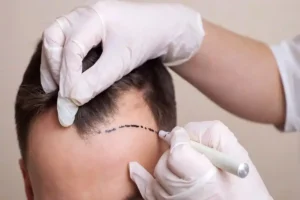
The FUT (Follicular Unit Transplantation) technique, also known as the strip method, begins with the surgeon removing a narrow strip of scalp from the back of the head where hair is genetically resistant to balding. This strip typically measures 1–1.5 centimeters in width and up to 15 centimeters in length, depending on the number of grafts required.
Once the strip is harvested, it is meticulously dissected under a microscope into individual follicular units—each containing 1 to 4 hairs. This precise separation preserves the natural grouping of hairs, which is crucial for achieving a natural hairline and texture after implantation.
After the grafts are prepared, tiny incisions are made in the balding area. The surgeon places each follicular unit into these recipient sites, aligning the angle and direction to mimic the original growth pattern. The result is a seamless blend between transplanted and existing hair.
Key Steps in the Procedure
- Donor strip removal: The surgeon excises a strip of scalp from the donor zone.
- Strip closure: The donor site is sutured or stapled, leaving a linear scar that typically heals within 10–14 days.
- Graft dissection: The strip is divided into individual follicular units under magnification.
- Recipient site creation: Micro‑incisions are made in the balding area.
- Graft implantation: Each unit is carefully placed into its designated site.
Typical Session Length
A standard FUT session for 2,500–3,500 grafts lasts between 6 and 10 hours, including anesthesia, strip removal, graft preparation, and implantation. Larger sessions may be split into two days to ensure optimal graft survival.
Benefits and Drawbacks Compared to FUE
Both FUT and FUE (Follicular Unit Extraction) aim to relocate healthy hair follicles, yet they differ in execution, scarring, and graft yield. Understanding these distinctions helps you decide which method aligns with your aesthetic goals and lifestyle.
| Aspect | FUT (Strip Method) | FUE (Extraction Method) |
|---|---|---|
| Donor Scar | Linear scar, usually hidden under surrounding hair | Multiple tiny dot scars, virtually invisible |
| Graft Yield | Higher yield per session; efficient for large volumes | Potentially lower yield; may require multiple sessions for large areas |
| Procedure Time | Generally faster graft preparation | Longer extraction time, especially for high graft counts |
| Recovery | Shorter healing for the donor area; linear scar heals quickly | Longer overall recovery due to numerous extraction sites |
| Cost | Often more cost‑effective per graft | Typically higher price per graft |
Advantages of FUT include a higher graft count in a single session, which can be crucial for extensive baldness, and a generally lower cost per graft. The linear scar can be concealed with short hairstyles, making it a practical choice for many patients.
Conversely, drawbacks involve the visible linear scar, which may be a concern for those who prefer very short haircuts, and the need for sutures or staples, which require removal. FUE eliminates the linear scar but often results in higher overall expense and longer surgery times for comparable graft numbers.
Recovery Timeline and Aftercare Tips
Recovery from a FUT hair transplant follows a predictable pattern, but individual experiences may vary. Proper aftercare maximizes graft survival and minimizes complications.
First Week
- Days 1‑3: Scalp may feel sore; prescribed pain medication and antibiotics help manage discomfort and prevent infection.
- Day 4‑7: Gentle washing with a mild shampoo is allowed; avoid vigorous rubbing.
- Donor area: The linear scar begins to form a scab, which typically falls off within 10–14 days.
Weeks 2‑4
Swelling subsides, and new hair shafts start to emerge from the transplanted follicles. Most patients can return to non‑strenuous work after about 7‑10 days, though heavy exercise should be avoided for 2 weeks.
Months 2‑6
Shedding of transplanted hairs (known as “shock loss”) is normal and is followed by new growth. By month 4, visible improvement is often noticeable, with continued thickening through month 6.
Long‑Term Care
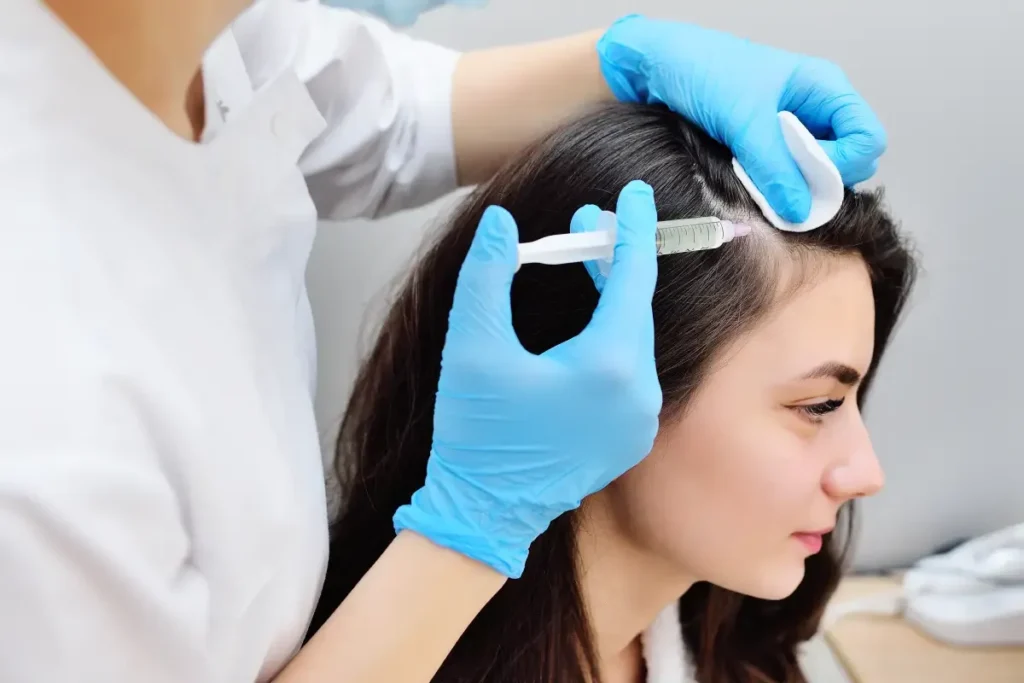
Maintain a healthy scalp with regular shampooing, avoid smoking, and consider medical therapies such as PRP (Platelet‑Rich Plasma) or low‑level laser therapy to support graft vitality.
Cost Considerations and What’s Included
The price of a FUT hair transplant varies based on graft count, clinic reputation, and geographic location. In Turkey, where Gold City Hair operates, the cost per graft is often lower than in Western markets, while maintaining high medical standards.
Typical Pricing Structure
- Base surgical fee: Covers surgeon’s expertise and operating room time.
- Graft price: Usually quoted per graft; bulk discounts apply for larger sessions.
- Medication package: Includes antibiotics, pain relievers, and post‑operative shampoos.
- Aftercare services: Follow‑up appointments, PRP sessions (if selected), and scar management.
For example, a 3,000‑graft FUT procedure in Istanbul may range from $2,500 to $4,000, inclusive of all listed components. Patients should verify that travel, accommodation, and airport transfers are either included or clearly priced separately.
What Influences Cost?
- Graft volume: Higher graft numbers increase total price but reduce cost per graft.
- Clinic reputation: Established centers with experienced surgeons may command premium rates.
- Geographic factors: Local taxes, currency exchange rates, and facility overhead affect pricing.
- Additional services: PRP, hairline design, and post‑operative medication packages add value.
Choosing the Right Clinic for Your FUT Hair Transplant
Selecting a clinic is a critical step that influences both the safety of the procedure and the final aesthetic outcome. Below are essential criteria to evaluate when researching potential providers.
Credentials and Experience
Confirm that the clinic’s surgeons are board‑certified dermatologists or plastic surgeons with specific training in follicular unit transplantation. Look for a track record of at least 5 years performing FUT procedures and a portfolio of before‑and‑after photos.
Facility Standards
Modern operating rooms equipped with sterile environments, high‑resolution microscopes for graft preparation, and experienced nursing staff are hallmarks of a reputable center.
Transparent Pricing and Packages
Choose a clinic that provides an itemized cost breakdown, clarifies what is included (e.g., medications, follow‑up visits), and offers a clear refund or revision policy should graft survival fall below expected thresholds.
Patient Support and Communication
Effective communication before, during, and after the surgery builds trust. Look for clinics that assign a dedicated coordinator to answer questions, arrange travel logistics, and guide you through the recovery process.
Reviews and Testimonials
Independent patient reviews on forums and social media can reveal real‑world experiences. While testimonials on a clinic’s website are useful, third‑party feedback often provides a more balanced perspective.
Why Choose Gold City Hair
Gold City Hair has been delivering personalized hair restoration solutions in Turkey since 2017. Our team combines decades of surgical expertise with state‑of‑the‑art facilities, ensuring each FUT hair transplant is performed with precision and care. We prioritize transparent communication, offering detailed treatment plans, all‑inclusive pricing, and comprehensive after‑care support. By choosing us, you benefit from a proven track record of natural, lasting results that boost confidence and quality of life.
Ready to take the next step toward a fuller head of hair? Contact Gold City Hair today to schedule your free, no‑obligation consultation and receive a customized treatment plan tailored to your goals.
Experience the expertise, comfort, and results that have made us a trusted name in hair restoration across the globe.
FAQ
What is a FUT hair transplant and how does it work?
FUT (Follicular Unit Transplantation) involves removing a strip of scalp from the donor area, dissecting it into individual follicular units, and implanting them into the balding region.
How does FUT compare to FUE in terms of scar, cost, and graft yield?
FUT leaves a linear scar but often offers a higher graft count per session and lower cost per graft, whereas FUE avoids a visible scar but can be more expensive and slower for large volumes.
What is the typical recovery timeline after a FUT hair transplant?
The donor scar forms a scab that falls off in 10‑14 days, while visible hair growth begins around month 4 and continues improving through month 6.
How much does a FUT hair transplant cost and what factors influence the price?
In Turkey, a 3,000‑graft FUT procedure ranges from $2,500 to $4,000, with cost affected by graft count, clinic reputation, location, and additional services.
What should I look for when choosing a FUT hair transplant clinic?
Check surgeon credentials, facility standards, transparent pricing, patient support, and authentic before‑and‑after photos or testimonials.
Are there any risks or drawbacks associated with FUT?
Risks include a linear donor scar, potential infection, and the need for sutures, but serious complications are rare when performed by experienced surgeons.
How many grafts can be transplanted in a single FUT session?
A typical FUT session can handle 2,500‑3,500 grafts, lasting 6‑10 hours; larger volumes may be split into two days.
What aftercare steps ensure optimal graft survival after FUT?
Gentle washing, avoiding strenuous activity, keeping the scalp clean, and using prescribed medications and optional PRP boost graft health.