Experiencing hair loss during perimenopause can feel sudden and unsettling, especially when it coincides with other menopausal symptoms. This article explains the hormonal shifts that trigger thinning hair, outlines the most common causes, and presents both non‑surgical and surgical solutions tailored for women in this life stage. Understanding the underlying mechanisms helps you take proactive steps, whether you prefer topical treatments, lifestyle adjustments, or a professional hair transplant.
Recent studies show that up to 40 % of women notice increased shedding as they transition into perimenopause, making it one of the most frequently reported concerns in women’s health clinics. The good news is that many effective strategies exist, ranging from nutritional support to advanced follicular unit extraction (FUE) performed by specialists who understand female pattern hair loss.
In the sections below, we will explore hormonal influences, pinpoint specific triggers, discuss proven therapies, and guide you through the decision‑making process for a hair restoration plan that restores confidence and natural-looking density.
Understanding Hormonal Changes and Their Impact on Hair Growth
The perimenopausal phase is marked by fluctuating levels of estrogen, progesterone, and androgens. While estrogen generally promotes a longer anagen (growth) phase, its decline shortens this period, leading to finer strands and increased shedding.
Estrogen and Progesterone Balance
Estrogen supports the hair follicle’s blood supply and prolongs growth cycles. When estrogen drops, the follicle spends more time in the telogen (resting) phase, resulting in visible thinning. Progesterone, which also has a protective effect, may become relatively lower, further amplifying the impact of androgens.
Androgen Dominance in Perimenopause
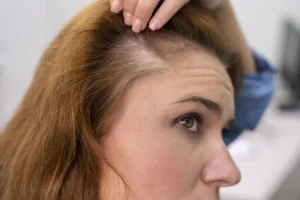
Even modest rises in testosterone or dihydrotestosterone (DHT) can accelerate follicular mini‑miniaturization, especially in women genetically predisposed to female pattern hair loss. This shift often manifests as a widening part, thinning crown, or diffuse shedding across the scalp.
- Shorter anagen phase
- Increased telogen shedding
- Follicle mini‑miniaturization
- Reduced scalp circulation

Common Causes of Hair Loss During Perimenopause
Beyond hormonal shifts, several factors can exacerbate thinning hair in perimenopausal women. Recognizing these contributors helps you target treatment more precisely.
Key Contributing Factors
- Androgenic alopecia – genetic sensitivity to DHT.
- Chronic stress – elevates cortisol, which can disrupt the hair cycle.
- Nutrient deficiencies – especially iron, zinc, and biotin.
- Thyroid disorders – hypothyroidism mimics menopausal hair loss.
- Medications – certain antihypertensives and antidepressants.
- Scalp health – fungal infections or excessive sebum.
| Cause | Typical Signs | Recommended Action |
|---|---|---|
| Androgenic alopecia | Gradual thinning at crown, widening part | Topical minoxidil, anti‑androgen therapy, consider transplant |
| Iron deficiency | Diffuse shedding, brittle nails | Blood test, iron supplementation, diet rich in leafy greens |
| Stress‑related telogen effluvium | Sudden increase in hair fall, usually 2–3 months after stressor | Stress‑management techniques, adequate sleep, balanced nutrition |
| Thyroid imbalance | Dry hair, weight changes, fatigue | Thyroid function test, medical management |
Effective Non‑Surgical Strategies to Manage Thinning Hair
Before considering a transplant, many women find success with a combination of topical agents, supplements, and lifestyle modifications. These approaches address the root causes while promoting healthier hair growth.
Topical Treatments
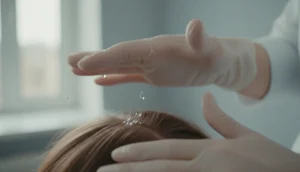
Minoxidil 5 % foam remains the gold standard for hair thinning women. Applied twice daily, it prolongs the anagen phase and can increase follicle size within 3–6 months. For those seeking a gentler option, botanical serums containing caffeine, saw palmetto, or peptides provide modest benefits.
Nutritional Support
Key nutrients that support follicular health include:
- Iron – 18 mg daily for premenopausal women; adjust based on labs.
- Vitamin D – 800–1000 IU to support immune regulation.
- Biotin – 30 µg (adequate intake) or higher under medical guidance.
- Omega‑3 fatty acids – anti‑inflammatory properties improve scalp circulation.
Lifestyle Adjustments
Reducing chronic stress through mindfulness, regular exercise, and adequate sleep can lower cortisol levels, which in turn stabilizes the hair cycle. Avoiding tight hairstyles, harsh chemicals, and excessive heat protects fragile strands.
When these measures are consistently applied, many women report a noticeable reduction in shedding and gradual regrowth, especially in the frontal and crown areas.
When to Consider Hair Transplant Options
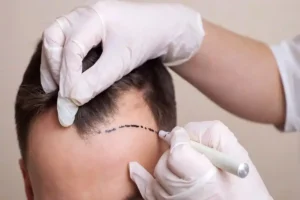
For women whose hair loss persists despite diligent non‑surgical care, a hair transplant can provide a permanent, natural‑looking solution. Modern techniques such as Follicular Unit Extraction (FUE) and Direct Hair Implantation (DHI) are especially suited to female pattern hair loss because they allow precise placement of grafts in delicate scalp zones.
Eligibility Criteria
- Stable hair loss for at least 12 months.
- Adequate donor hair density, typically from the occipital region.
- Realistic expectations regarding coverage and density.
- Good overall health and no uncontrolled medical conditions.
| Technique | Advantages | Considerations |
|---|---|---|
| FUE | Minimally invasive, no linear scar, precise graft placement | Longer procedure time, higher cost per graft |
| DHI | Direct implantation reduces handling, higher survival rate | Requires specialized equipment, limited to smaller sessions |
Women often choose a conservative density to maintain a natural appearance, focusing on restoring the hairline and crown first. Follow‑up care includes gentle cleansing, avoidance of direct sun for two weeks, and possibly platelet‑rich plasma (PRP) sessions to enhance graft survival.
Preparing for a Consultation and What to Expect
A thorough initial assessment is essential to determine the most suitable plan. During your first visit, the specialist will evaluate hormone levels, scalp health, and donor area quality.
Assessment Steps
- Medical history review – focusing on menstrual cycle changes, medications, and family history of alopecia.
- Scalp examination – using magnification to assess follicle density.
- Blood tests – checking iron, thyroid, vitamin D, and hormone panels.
- Photographic documentation – baseline images for tracking progress.
Questions to Ask Your Surgeon
- What is the expected graft survival rate for women in my age group?
- How many sessions will be needed to achieve my desired density?
- What post‑operative care protocol should I follow?
- Are there any adjunct therapies, such as PRP, that could improve results?
Being prepared with these details ensures a transparent dialogue and helps you make an informed decision about whether a transplant aligns with your goals.
Why Choose Gold City Hair
Gold City Hair has been delivering personalized hair restoration solutions since 2017, combining cutting‑edge FUE and DHI techniques with a deep understanding of female hair loss patterns. Our team prioritizes transparent communication, thorough medical evaluation, and a supportive environment that empowers women to regain confidence. With a proven track record of natural‑looking results for perimenopausal patients, we tailor each plan to your unique hormonal profile and aesthetic goals.
Ready to take control of your hair health? Contact Gold City Hair today to schedule a comprehensive consultation and explore a customized treatment plan that fits your lifestyle.
Experience the confidence of fuller, healthier hair—book your appointment now.
FAQ
What causes hair loss during perimenopause?
Hair loss during perimenopause is mainly driven by hormonal fluctuations, especially reduced estrogen and increased androgen activity, along with stress, nutrient deficiencies, and thyroid issues.
How do hormonal changes affect hair growth in perimenopause?
Reduced estrogen shortens the growth phase, while relatively higher androgens accelerate follicle mini‑miniaturization, resulting in thinner hair and increased shedding.
What non‑surgical treatments are effective for thinning hair in perimenopause?
Topical minoxidil, botanical serums, iron and vitamin D supplementation, biotin, omega‑3 fatty acids, stress‑management, and proper scalp care are proven non‑surgical options.
When should a woman consider a hair transplant for perimenopausal hair loss?
If hair loss remains stable for 12+ months despite optimal non‑surgical care, and there is sufficient donor hair, a transplant may be appropriate.
What should I expect during a hair transplant consultation?
The specialist will review medical history, examine scalp and donor area, order blood tests, and provide photographic documentation to plan the procedure.
How can nutrition support hair health during perimenopause?
Adequate iron, vitamin D, biotin, and omega‑3 fatty acids, along with a balanced diet, improve follicle function and reduce shedding.
Are there safe transplant techniques for women with perimenopausal hair loss?
Yes, FUE and DHI are minimally invasive, leave no linear scar, and allow precise graft placement tailored to female scalp patterns.