Every strand of hair originates from a tiny but complex structure known as the skin follicle. This microscopic unit not only produces hair but also plays a vital role in skin health, oil production, and sensory perception. For anyone experiencing hair loss, irritation, or skin bumps, understanding how the skin follicle works can be the first step toward effective solutions.
Recent studies show that up to 40% of adults notice some form of follicular irritation—such as folliculitis or ingrown hairs—at some point in their lives. Recognizing the underlying anatomy helps differentiate normal hair growth from conditions that may require medical attention.
In this article we will explore the layers that compose the skin follicle, its contribution to the hair growth cycle, common disorders that affect it, preventive care strategies, and how advanced hair restoration clinics can help restore follicular health. Whether you are curious about basic biology or seeking solutions for a specific problem, this guide provides a clear, science‑based overview.
1. Anatomy of the Skin Follicle
The skin follicle is a multilayered structure embedded deep within the dermis. Its main components include the hair bulb, hair shaft, sebaceous gland, arrector pili muscle, and surrounding connective tissue. Each part works together to support hair emergence and skin protection.
Key Structural Elements
- Hair Bulb: The rounded base where cells divide rapidly, forming the hair shaft.
- Hair Shaft: The visible portion of hair that extends through the skin surface.
- Sebaceous Gland: Produces sebum, an oily substance that lubricates hair and skin.
- Arrector Pili Muscle: Tiny muscle that contracts to cause “goosebumps.”
- Outer Root Sheath: Provides structural support and protects the follicle.
Understanding the depth and distribution of these layers is essential for diagnosing conditions like folliculitis or cyst formation.
| Component | Location in Follicle | Primary Function |
|---|---|---|
| Hair Bulb | Base of follicle, deepest point | Cell proliferation and hair formation |
| Sebaceous Gland | Adjacent to hair bulb | Secretion of sebum for lubrication |
| Arrector Pili Muscle | Surrounds the follicle | Causes hair erection (goosebumps) |
| Outer Root Sheath | Encases the follicle from bulb to surface | Provides structural integrity |

2. How the Skin Follicle Contributes to Hair Growth
The hair growth cycle is orchestrated by the skin follicle through three main phases: anagen (growth), catagen (transition), and telogen (rest). Each phase is regulated by hormonal signals, nutrients, and the health of the follicular environment.
Phases of the Hair Cycle
- Anagen: Active growth lasting 2‑7 years; the hair bulb receives blood supply and nutrients.
- Catagen: Short transitional phase (2‑3 weeks) where growth stops and the follicle shrinks.
- Telogen: Resting phase (about 3 months) before the follicle re‑enters anagen.
Disruptions in any phase can lead to thinning, shedding, or conditions such as alopecia. The health of the surrounding sebaceous gland and the presence of a balanced microbiome also influence the follicle’s ability to sustain robust hair growth.
For individuals considering hair restoration, understanding the natural cycle helps set realistic expectations for procedures like Follicular Unit Extraction (FUE) or Direct Hair Implantation (DHI), where healthy donor follicles are crucial.
3. Common Skin Follicle Disorders
Various conditions can affect the skin follicle, ranging from mild irritation to serious infections. Recognizing the signs early can prevent complications and guide appropriate treatment.
Inflammatory Conditions
- Folliculitis: Inflammation of the follicle often caused by bacterial infection; appears as red papules or pustules.
- Pseudofolliculitis Barbae: Ingrown hairs in the beard area leading to papules and irritation.
- Scalp Folliculitis: Can cause itchy, painful bumps on the scalp.
Infectious Nodules
- Boils (Furuncles): Deep, painful, pus‑filled lesions that develop around an infected hair follicle.
- Carbuncles: Larger clusters of interconnected boils that may require medical drainage.
Non‑Infectious Issues
- Ingrown Hair Bumps: Hair grows back into the skin, forming hard lumps.
- Follicular Cysts: Closed sacs filled with keratin that can become noticeable nodules.
Effective management often starts with proper hygiene, topical antiseptics, and, when needed, prescription antibiotics or laser therapy. Understanding the specific type of follicular problem is essential for targeted treatment.
4. Preventive Care and Treatment Options
Maintaining healthy skin follicles involves a combination of lifestyle habits, topical care, and professional interventions when necessary.
Daily Hygiene Practices
- Gentle cleansing with pH‑balanced shampoos or body washes.
- Avoiding excessive friction from tight clothing or harsh scrubbing.
- Regular exfoliation to prevent dead‑skin buildup that can trap hair.
Nutrition and Supplements
Vitamins such as biotin, vitamin D, and zinc support keratin production and overall follicular health. A balanced diet rich in protein, omega‑3 fatty acids, and antioxidants can reduce inflammation and promote robust hair growth.
Medical and Cosmetic Treatments
| Treatment | Primary Use | Typical Frequency |
|---|---|---|
| Topical Antibiotics | Folliculitis, mild infections | 2‑4 weeks |
| Laser Therapy | Reduce inflammation, treat pseudofolliculitis | Multiple sessions |
| Oral Antibiotics | Severe bacterial infections (boils, carbuncles) | 5‑10 days |
| Professional Extraction | Remove ingrown hairs or cysts | As needed |
When conservative measures fail, consulting a dermatologist or a specialized hair restoration clinic can provide advanced options such as platelet‑rich plasma (PRP) therapy, laser hair removal for problematic areas, or surgical removal of persistent cysts.
5. The Role of Hair Transplant Clinics in Restoring Follicle Health
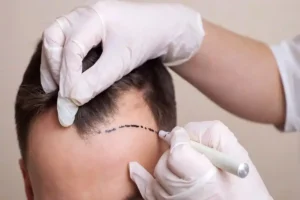
When follicular damage leads to permanent hair loss, modern hair transplant clinics offer techniques that relocate healthy follicles from a donor area to the thinning or balding region. These procedures rely on the integrity of the transplanted skin follicle to re‑establish a functional growth cycle.
Advanced Transplant Techniques
- Follicular Unit Extraction (FUE): Individual follicles are harvested with a micro‑punch, preserving surrounding tissue and minimizing scarring.
- Direct Hair Implantation (DHI): Follicles are loaded into a specialized implanter pen, allowing precise depth control during insertion.
- Eyebrow and Beard Transplants: Adapted methods for finer hair types, using the same follicular principles.
Successful transplantation depends on meticulous handling of the hair bulb and surrounding structures, ensuring that the skin follicle remains viable throughout the process. Clinics with experienced surgeons and transparent communication—like Gold City Hair—provide personalized treatment plans that align with each patient’s unique anatomy and aesthetic goals.
Why Choose Gold City Hair
Gold City Hair has been delivering personalized hair restoration solutions in Turkey since 2017. Our clinic combines state‑of‑the‑art FUE and DHI techniques with a commitment to transparent communication and patient‑centered care. By focusing on the health of each skin follicle, we achieve natural‑looking results that boost confidence and long‑term satisfaction.
Ready to restore your hair and confidence? Contact Gold City Hair today to schedule a personalized consultation and discover the best treatment plan for your unique follicular needs.
FAQ
What are the main components of a skin follicle?
A skin follicle consists of the hair bulb, hair shaft, sebaceous gland, arrector pili muscle, and outer root sheath.
How does the hair growth cycle work within the follicle?
The hair growth cycle has three phases—anagen (growth), catagen (transition), and telogen (rest)—regulated by hormones, nutrients, and follicular health.
What are the most common disorders affecting the skin follicle?
Common follicular disorders include folliculitis, pseudofolliculitis barbae, scalp folliculitis, boils, carbuncles, ingrown hair bumps, and follicular cysts.
How can I prevent follicular problems and keep my skin follicles healthy?
Preventive care includes gentle cleansing, avoiding friction, regular exfoliation, a balanced diet rich in biotin, vitamin D, zinc, and professional treatments when needed.
What role do hair transplant clinics play in restoring follicle health?
Hair transplant clinics relocate healthy follicles using techniques like FUE and DHI, ensuring the transplanted skin follicle remains viable for new growth.