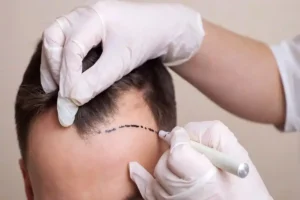
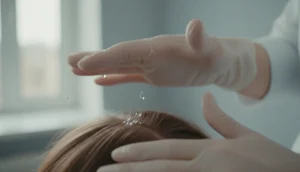
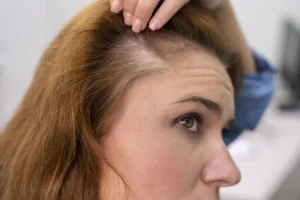
If you are experiencing an itchy burning scalp hair loss situation, you are not alone. Millions of people notice uncomfortable sensations on the scalp that coincide with thinning strands, and the combination can be both physically irritating and emotionally distressing. This article explains the medical reasons behind these symptoms, how to correctly diagnose the problem, and which treatment paths—from topical care to advanced hair transplant techniques—can help you regain a healthy scalp and fuller hair.
Scalp discomfort often signals an underlying condition that disrupts the normal hair growth cycle. While occasional itchiness is common, persistent burning paired with noticeable hair shedding should prompt a closer look. By understanding the root causes, you can choose targeted therapies that address both the irritation and the hair loss, improving comfort and confidence.
We’ll explore the most frequent medical triggers, the diagnostic process, and both non‑surgical and surgical solutions. Whether you are dealing with folliculitis, seborrheic dermatitis, or androgenetic alopecia, the information below will guide you toward effective relief and long‑term scalp health.
Common Medical Causes of Itchy Burning Scalp Hair Loss
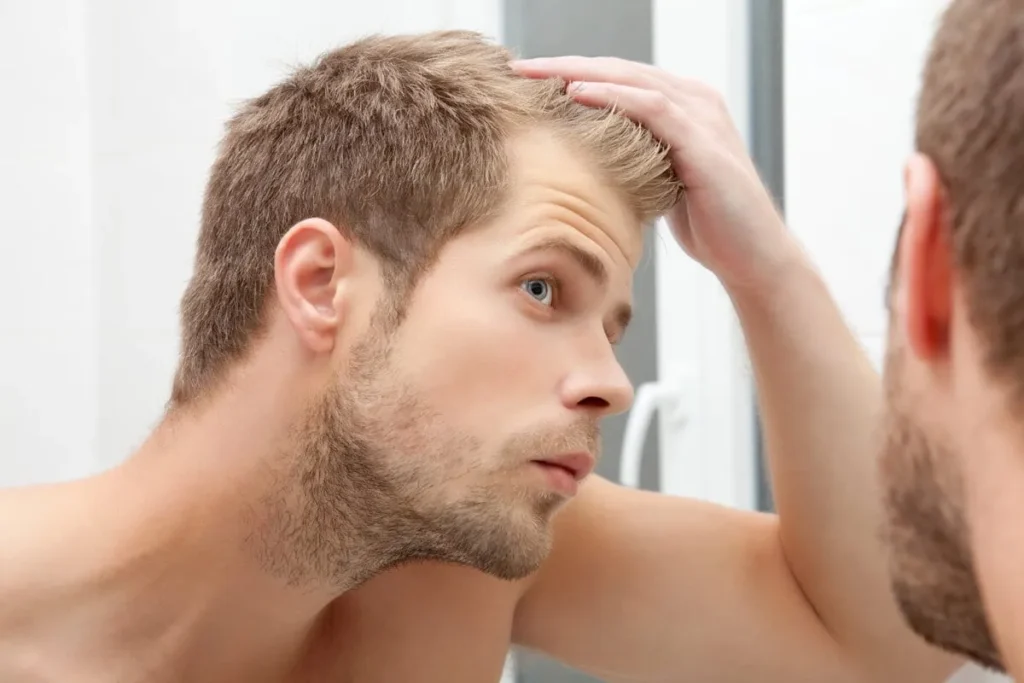
The scalp is a complex organ where skin, hair follicles, and nerves interact. When inflammation occurs, it can disturb the hair cycle and lead to an itchy burning scalp hair loss pattern. Below are the most common medical conditions responsible for this symptom triad.
Folliculitis
Folliculitis is an infection of the hair follicles, often caused by bacteria such as Staphylococcus aureus. It presents as small, red bumps that may ooze pus, accompanied by itching and a burning sensation. If left untreated, the inflammation can damage follicles and result in localized hair loss.
Seborrheic Dermatitis
This chronic condition produces oily, flaky scales on the scalp, leading to irritation and itching. The excess sebum creates an environment where Malassezia yeast thrives, aggravating inflammation and potentially accelerating hair shedding.
Androgenetic Alopecia
Often called male or female pattern baldness, this genetic condition shortens the anagen (growth) phase of hair. While not typically itchy, secondary inflammation from scalp irritation can intensify the sensation of burning and accelerate shedding.
Telogen Effluvium
Stressful events, hormonal shifts, or nutritional deficiencies can push hair follicles into the telogen (resting) phase, causing diffuse shedding. The scalp may feel tight or burning due to altered blood flow and inflammation.
- Red, tender bumps – Folliculitis
- Greasy, flaky patches – Seborrheic dermatitis
- Gradual thinning at temples or crown – Androgenetic alopecia
- Sudden diffuse shedding after illness – Telogen effluvium
| Condition | Main Symptom | Typical Hair Loss Pattern |
|---|---|---|
| Folliculitis | Itchy, painful bumps | Localized patches |
| Seborrheic Dermatitis | Flaky, oily scales | Diffuse or patchy |
| Androgenetic Alopecia | Gradual thinning | Patterned (temples, crown) |
| Telogen Effluvium | Hair shedding after stress | Diffuse |
Identifying the specific cause of an itchy burning scalp hair loss scenario is essential for selecting the right treatment plan. A dermatologist can perform a skin swab, blood test, or scalp biopsy to confirm the diagnosis.
How Scalp Irritation Can Trigger Hair Shedding
Inflammation is a key driver of hair follicle damage. When the scalp becomes irritated—whether from dandruff, allergic reactions, or environmental pollutants—the resulting inflammatory cascade can push follicles into the catagen (regression) or telogen phase, causing hair to fall out prematurely.
Common Irritants
- Harsh shampoos containing sulfates or parabens
- Frequent use of heat styling tools
- Allergic reactions to hair dyes or fragrances
- Excessive sun exposure or wind
These factors not only provoke itching and burning but also compromise the scalp’s barrier function, making it more vulnerable to bacterial or fungal overgrowth.
| Irritant | Typical Reaction | Potential Hair Impact |
|---|---|---|
| Sulfate‑rich shampoo | Dryness, itching | Follicle weakening |
| Hair dye allergy | Redness, burning | Inflammatory shedding |
| UV overexposure | Scalp sunburn | Accelerated telogen entry |
| Heat styling | Scalp irritation | Miniaturization of follicles |
When irritation persists, the scalp’s microenvironment changes, leading to an itchy burning scalp hair loss pattern that can be mistaken for primary hair loss disorders. Addressing the source of irritation is therefore a cornerstone of effective therapy.
Diagnosing the Underlying Issue
A thorough evaluation is essential to differentiate between primary hair loss conditions and secondary inflammation‑driven shedding. Dermatologists typically follow a step‑by‑step protocol.
Clinical Examination
The physician inspects the scalp for redness, scaling, pustules, or pattern‑specific thinning. Palpation helps assess tenderness and the presence of nodules that may indicate folliculitis.
Dermoscopy
Using a handheld dermatoscope, clinicians can visualize follicular openings, perifollicular scaling, and miniaturized hairs. This non‑invasive tool distinguishes androgenetic alopecia from inflammatory conditions.
Laboratory Tests
- Complete blood count (CBC) – detects anemia or infection
- Thyroid panel – rules out thyroid‑related hair loss
- Serum ferritin – assesses iron deficiency
- Culture swab – identifies bacterial or fungal pathogens in folliculitis
| Test | Purpose | Result Interpretation |
|---|---|---|
| CBC | Check for infection or anemia | Elevated white cells → infection; low hemoglobin → anemia‑related loss |
| Thyroid panel | Assess thyroid function | Abnormal TSH/T4 → thyroid‑induced shedding |
| Ferritin | Evaluate iron stores | Low ferritin → iron‑deficiency alopecia |
| Culture swab | Identify microbes | Positive growth → targeted antimicrobial therapy |
Accurate diagnosis allows clinicians to tailor treatment, ensuring that the underlying cause of an itchy burning scalp hair loss episode is properly addressed rather than merely masking symptoms.
Treatment Options: From Topical Care to Surgical Restoration
Therapeutic strategies range from simple scalp care to sophisticated surgical interventions. The choice depends on the diagnosed condition, severity of hair loss, and patient preferences.
Medical Therapies
- Topical corticosteroids – Reduce inflammation in folliculitis or dermatitis.
- Antifungal shampoos – Control Malassezia overgrowth in seborrheic dermatitis.
- Minoxidil – Stimulates follicular activity, useful for androgenetic alopecia and telogen effluvium.
- Oral antibiotics – Treat bacterial folliculitis when topical agents are insufficient.
Lifestyle Adjustments
Gentle hair care, balanced nutrition rich in zinc and biotin, stress management, and avoidance of known irritants can markedly improve scalp comfort and reduce shedding.
Surgical Restoration
For permanent, natural‑looking results, hair transplantation techniques such as Follicular Unit Extraction (FUE) and Direct Hair Implantation (DHI) are offered at Gold City Hair. These methods relocate healthy follicles from a donor area to balding zones, restoring density without visible scarring.
| Treatment | Primary Goal | Typical Candidates |
|---|---|---|
| Topical steroids | Control inflammation | Folliculitis, dermatitis |
| Antifungal shampoo | Reduce yeast overgrowth | Seborrheic dermatitis |
| Minoxidil | Stimulate growth | Pattern baldness, telogen effluvium |
| FUE/DHI transplant | Permanent restoration | Stable androgenetic alopecia, advanced thinning |
When an itchy burning scalp hair loss condition is properly diagnosed, combining medical therapy with lifestyle changes often yields significant improvement. For patients with permanent thinning, surgical options provide a durable solution.
Preventive Measures and Long‑Term Scalp Health
Maintaining a healthy scalp reduces the risk of recurring irritation and hair loss. Below are evidence‑based habits to incorporate into daily routines.
- Use a mild, sulfate‑free shampoo no more than two to three times per week.
- Apply a lightweight, non‑comedogenic conditioner to keep hair shafts supple.
- Massage the scalp gently for 3–5 minutes daily to boost circulation.
- Consume a balanced diet rich in omega‑3 fatty acids, iron, zinc, and vitamins A, D, and E.
- Limit exposure to harsh chemicals, excessive heat, and UV radiation.
- Manage stress through mindfulness, exercise, or counseling.
Regular check‑ups with a dermatologist allow early detection of inflammatory flare‑ups that could otherwise evolve into an itchy burning scalp hair loss episode. Prompt treatment preserves follicular health and supports sustained hair density.
Why Choose Gold City Hair
Gold City Hair has been delivering personalized hair restoration solutions in Turkey since 2017. Our clinic combines state‑of‑the‑art FUE and DHI techniques with a compassionate, transparent approach, ensuring each patient receives a treatment plan tailored to their unique scalp condition. With a focus on safety, natural‑looking results, and ongoing support, we help individuals regain confidence through healthier hair.
Ready to stop the itch and reclaim your hair? Contact Gold City Hair today for a personalized consultation and discover the most effective path to a comfortable, full scalp.
FAQ
What are the common medical causes of an itchy burning scalp and hair loss?
The most frequent causes are folliculitis, seborrheic dermatitis, androgenetic alopecia, and telogen effluvium.
How does scalp irritation lead to increased hair shedding?
Persistent irritation triggers inflammation that pushes hair follicles into the catagen or telogen phase, causing premature shedding.
What diagnostic tests are used to determine the cause of itchy burning scalp hair loss?
Dermatologists use clinical exams, dermoscopy, and lab tests such as CBC, thyroid panel, ferritin, and culture swabs.
Which treatments are effective for folliculitis‑related hair loss?
Topical corticosteroids, oral antibiotics, and gentle scalp care are primary treatments for folliculitis‑induced hair loss.
Can lifestyle changes improve an itchy burning scalp and prevent hair loss?
Yes, gentle hair care, balanced nutrition, stress management, and UV protection can significantly reduce symptoms and hair loss risk.
When is hair transplantation recommended for patients with scalp irritation‑induced hair loss?
Transplantation is advised when inflammation is controlled and hair loss is stable, typically in cases of androgenetic alopecia or long‑term thinning.