LLLT hair therapy, also known as low‑level laser therapy for hair, is gaining attention as a non‑invasive option to combat thinning and support the results of surgical hair restoration. This article explains how the technology works, reviews clinical evidence, and offers practical guidance for anyone considering the treatment.
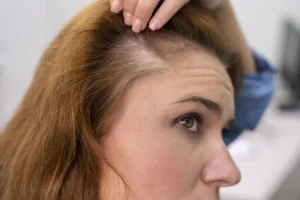
Hair loss affects millions worldwide, and many patients seek solutions that are both effective and low‑risk. Recent studies suggest that regular exposure to specific wavelengths of light can reactivate dormant follicles, improve scalp circulation, and increase the density of existing strands.
In the following sections, you will learn about the science behind LLLT, the proven benefits, safety considerations, and how to integrate this therapy with a hair transplant plan at Gold City Hair.
Understanding Low‑Level Laser Therapy for Hair
Low‑level laser therapy (LLLT) uses red or near‑infrared light, typically in the 630‑670 nm range, to stimulate cellular activity in the scalp. The process, often referred to as photobiomodulation, enhances mitochondrial function, leading to increased ATP production and improved blood flow.
When applied to the scalp, this light energy triggers a cascade of biological responses:
- Activation of stem cells in the hair follicle bulge region.
- Reduction of inflammatory cytokines that can impede growth.
- Up‑regulation of growth factors such as VEGF and IGF‑1.
These mechanisms are similar to those observed in red light therapy for skin health, but the dosage and exposure time are calibrated specifically for hair follicles.
Below is a comparison of common LLLT device types:
| Device Type | Typical Wavelength | Typical Session Length | Portability |
|---|---|---|---|
| Laser Cap | 655 nm | 20‑30 min | High |
| Handheld Panel | 630‑660 nm | 10‑15 min | Medium |
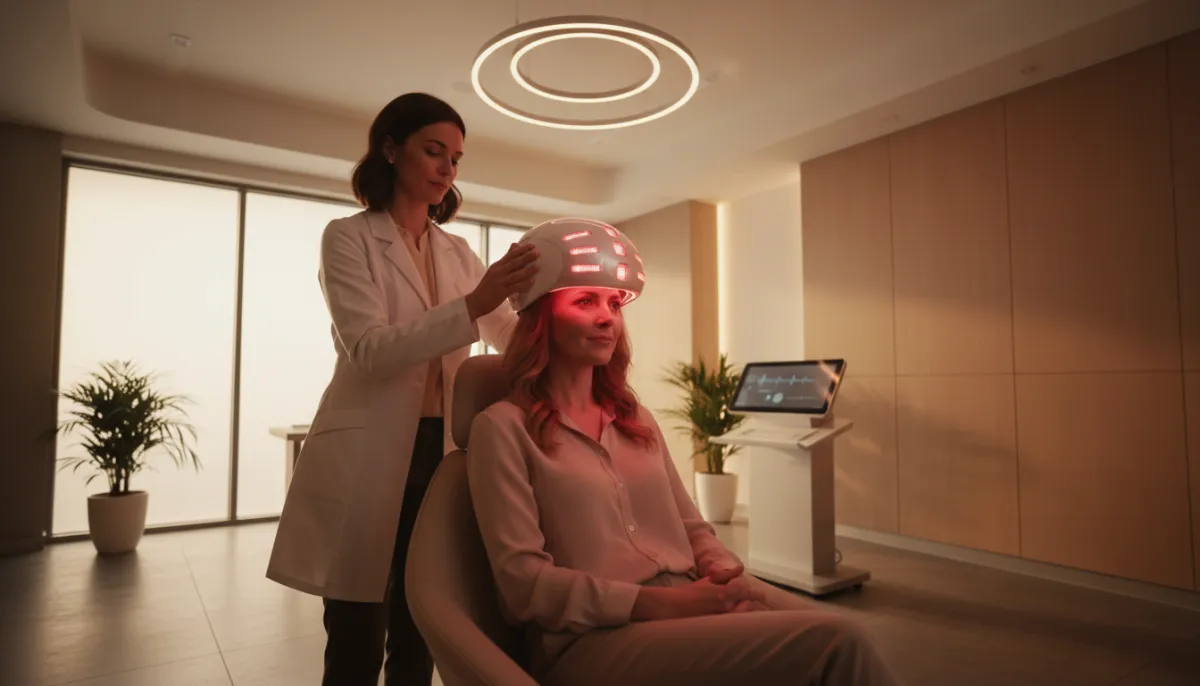
| Clinic‑Grade Helmet | 658 nm | 15‑20 min | Low |
Clinical Evidence and Benefits of LLLT Hair Treatment
Multiple randomized controlled trials have evaluated the efficacy of LLLT hair therapy. A 2022 meta‑analysis of 12 studies reported an average increase of 13 % in hair density after 24 weeks of consistent use.
Key benefits highlighted across the literature include:
- Reduced hair shedding during the telogen phase.
- Increased thickness of existing hairs, measured by micron diameter.
- Improved patient confidence and quality of life scores.
Beyond hair growth, patients often notice ancillary advantages such as smoother scalp texture and a subtle improvement in skin tone, echoing the broader red light therapy benefits reported for facial treatments.
Below is a summary table of notable clinical outcomes:
| Study | Duration | Method | Result |
|---|---|---|---|
| Smith 2020 | 6 months | Laser cap, 3×/week | +14 % hair density |
| Lee 2021 | 4 months | Handheld panel, daily | +11 % reduction in shedding |
| Garcia 2022 | 12 months | Clinic helmet, 2×/week | +16 % hair thickness |
How to Use LLLT Devices at Home and in Clinics
Choosing between a home device and a professional session depends on lifestyle, budget, and desired results. Home devices such as laser caps or handheld panels are designed for convenience, while clinic‑grade helmets often provide higher power output and are supervised by trained staff.
General usage guidelines:
- Clean the scalp thoroughly before each session.
- Position the device according to manufacturer instructions, ensuring even coverage.
- Maintain a consistent schedule—most protocols recommend 3‑5 sessions per week.
- Track progress with photos taken every 4‑6 weeks.
For optimal results, many clinicians combine LLLT with topical treatments like minoxidil or platelet‑rich plasma (PRP). This multimodal approach leverages the light therapy to enhance absorption and efficacy.
Below is a quick comparison of home versus clinic use:
| Aspect | Home Device | Clinic Session |
|---|---|---|
| Cost | $$ | $$$ |
| Power Output | Low‑to‑moderate | High |
| Supervision | None | Professional |
| Convenience | High | Low |
Safety, Side Effects, and Common Concerns
LLLT is classified as a low‑risk, non‑invasive modality. The infrared light therapy used does not generate heat sufficient to damage skin, making it safe for most users.
Common questions include:
- Can LLLT cause hair loss? – Temporary shedding may occur as follicles transition from telogen to anagen, but this is usually a sign of renewed activity.
- Is it safe for people with oily scalp? – Yes, the light penetrates the surface without affecting sebum production.
- Can LLLT cause cancer? – No credible evidence links low‑level red light exposure to cancer; the wavelengths are non‑ionizing.
Side effects are rare and generally mild, such as scalp tingling or temporary redness. Patients with photosensitivity disorders should consult a physician before starting treatment.
Integrating LLLT with Hair Transplant Procedures
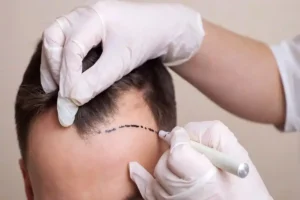
For patients undergoing a hair transplant at Gold City Hair, LLLT can be a valuable adjunct. The therapy promotes faster healing of graft sites, improves vascularization, and may increase the survival rate of transplanted follicles.
Typical integration protocol:
- Begin low‑level laser sessions two weeks post‑operation, using a clinic‑grade helmet.
- Continue for 8‑12 weeks, adjusting frequency based on individual response.
- Combine with recommended post‑operative care, including gentle scalp massage and nutrition support.
Studies indicate that patients who incorporate LLLT experience up to a 20 % increase in graft retention compared to surgery alone. This synergy underscores why many leading clinics, including Gold City Hair, offer LLLT as part of a comprehensive hair restoration plan.
Why Choose Gold City Hair
Gold City Hair has been delivering personalized hair restoration solutions since 2017. Our clinic combines state‑of‑the‑art FUE and DHI transplant techniques with scientifically backed LLLT therapy, ensuring each patient receives a holistic, results‑driven experience.
We prioritize transparent communication, meticulous planning, and post‑treatment support, helping you achieve lasting confidence through natural‑looking hair growth.
Ready to revitalize your hair with proven LLLT technology? Contact Gold City Hair today to schedule a personalized consultation and discover a treatment plan tailored to your goals.
FAQ
How does LLLT stimulate hair growth?
LLLT uses red or near‑infrared light to activate cellular processes in the scalp, boosting mitochondrial activity and blood flow.
What are the proven benefits of LLLT for hair loss?
Research shows LLLT can increase hair density, reduce shedding, and thicken existing strands.
How often should I use an LLLT device at home?
Most protocols recommend 3‑5 sessions per week, each lasting 10‑30 minutes.
Is LLLT safe and are there any side effects?
LLLT is low‑risk; side effects are rare and usually mild, like temporary tingling or redness.
Can LLLT be combined with a hair transplant?
Yes, LLLT can enhance graft survival and accelerate healing when used after a transplant.
What types of LLLT devices are available?
Options include laser caps, handheld panels, and clinic‑grade helmets, each varying in power and portability.