Androgenic androgenetic alopecia is the most common form of hair loss affecting both men and women worldwide. This condition results from a combination of genetic predisposition and hormonal influences that gradually thin the hair follicles over time. According to recent studies, up to 70% of men and 40% of women will experience some degree of this type of hair loss by the age of 50.
In this article we will explore the underlying mechanisms, identify the early warning signs, and review the full range of treatment options—from medical therapies to advanced hair transplant techniques offered at Gold City Hair. Whether you are noticing a receding hairline, a widening crown, or diffuse thinning, understanding the process is the first step toward an effective solution.
We will also discuss lifestyle adjustments that can support hair health and improve the long‑term success of any treatment plan. By the end of this guide, you will have a clear roadmap for addressing androgenic androgenetic alopecia and restoring confidence in your appearance.
Causes and Risk Factors of Androgenic Androgenetic Alopecia
The development of androgenic androgenetic alopecia is driven by a complex interplay of genetic, hormonal, and environmental factors. While the exact cause varies among individuals, several key contributors are consistently identified:
- Genetic inheritance: A family history of hair loss dramatically increases the likelihood of developing the condition.
- Hormonal activity: Dihydrotestosterone (DHT), a derivative of testosterone, binds to receptors in the scalp and shortens the anagen (growth) phase of hair follicles.
- Age: The prevalence rises with age as follicular sensitivity to DHT accumulates.
- Medical conditions: Thyroid disorders, iron deficiency, and autoimmune diseases can exacerbate hair thinning.
- Lifestyle factors: Chronic stress, poor nutrition, and smoking may accelerate follicular miniaturization.
Understanding these risk factors helps clinicians tailor prevention strategies and select the most appropriate therapeutic approach. For example, patients with a strong genetic predisposition may benefit from early medical intervention, while those whose hair loss is stress‑related might see improvement through lifestyle modifications.

Recognizing the Signs: Symptoms and Diagnosis
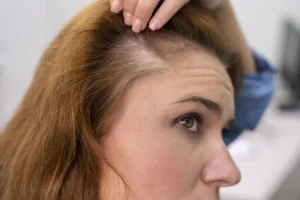
Early detection of androgenic androgenetic alopecia can significantly improve treatment outcomes. The condition typically follows predictable patterns that differ between men and women.
| Feature | Male Pattern | Female Pattern |
|---|---|---|
| Initial Area | Hairline recession at temples | Diffuse thinning over the crown |
| Progression | Vertex balding, eventual horseshoe shape | Widening part, overall reduced density |
| Hair Shaft | Shorter, finer hairs | Fine hairs throughout scalp |
| Age of Onset | Late teens to early 30s | Late 20s to 40s |
Diagnosis is primarily clinical, based on visual assessment and patient history. In ambiguous cases, a dermatologist may perform a scalp biopsy or trichoscopy to confirm follicular miniaturization. Blood tests are also useful to rule out underlying conditions such as thyroid dysfunction or iron deficiency, which can mimic or worsen alopecia.
Medical and Non‑Surgical Treatment Options
Managing androgenic androgenetic alopecia involves a spectrum of interventions, ranging from topical medications to lifestyle adjustments. The most widely accepted medical treatments include:
- Minoxidil (Rogaine): A topical vasodilator applied twice daily that prolongs the anagen phase and promotes follicular blood flow.
- Finasteride (Propecia): An oral 5‑alpha‑reductase inhibitor that reduces DHT production, primarily prescribed for men.
- Low‑Level Laser Therapy (LLLT): Devices that emit red light to stimulate cellular metabolism in hair follicles.
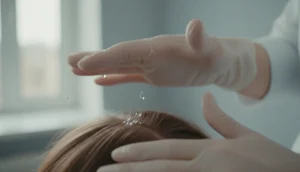
- Platelet‑Rich Plasma (PRP): Autologous injections that deliver growth factors to enhance follicular activity.
Non‑surgical approaches focus on camouflage and scalp health:
- Hair fibers and powders: Cosmetic products that temporarily thicken the appearance of hair.
- Scalp micro‑needling: Small punctures that may improve absorption of topical agents.
- Nutritional supplementation: Biotin, zinc, and vitamin D support overall hair vitality.
Choosing the right regimen depends on the severity of hair loss, gender, age, and personal preferences. Combining treatments—such as minoxidil with PRP—often yields synergistic benefits, but patients should consult a qualified specialist to avoid contraindications.
Hair Transplant Techniques for Long‑Term Restoration
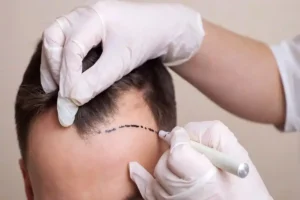
When medical therapies no longer provide sufficient regrowth, hair transplant procedures become the gold standard for permanent restoration of density. Gold City Hair specializes in two modern techniques:
| Technique | Method | Advantages | Typical Recovery |
|---|---|---|---|
| FUE (Follicular Unit Extraction) | Individual follicular units are harvested with a micro‑punch. | Minimal scarring, rapid healing, high graft survival. | 7‑10 days for mild discomfort. |
| DHI (Direct Hair Implantation) | Grafts are loaded into a Choi pen and implanted directly. | Precise angle control, higher density, no need for incisions. | 5‑7 days for mild swelling. |
Both methods use the patient’s own donor hair, typically from the occipital region, ensuring natural color and texture match. The choice between FUE and DHI depends on factors such as scalp laxity, desired density, and budget. In addition to scalp restoration, Gold City Hair offers eyebrow and beard transplants using the same meticulous approach.
Lifestyle Strategies to Support Hair Health
While procedural interventions address the physical loss of follicles, everyday habits can reinforce the results and slow further progression of androgenic androgenetic alopecia. Consider incorporating the following evidence‑based practices:
- Balanced nutrition: Prioritize protein, omega‑3 fatty acids, and antioxidants from fruits, vegetables, and fish.
- Stress management: Techniques such as mindfulness, yoga, or regular exercise reduce cortisol, which can aggravate hair shedding.
- Avoid harsh styling: Limit tight hairstyles, excessive heat, and chemical treatments that cause traction alopecia.
- Proper scalp hygiene: Gentle cleansing with sulfate‑free shampoos maintains follicular health without stripping natural oils.
- Regular medical check‑ups: Monitoring hormone levels and nutritional status helps catch reversible causes early.
Adopting these habits not only enhances the durability of transplant grafts but also creates a supportive environment for any ongoing medical therapy. Consistency is key—small daily choices accumulate into noticeable long‑term benefits.
Why Choose Gold City Hair
Gold City Hair has been delivering personalized hair restoration solutions in Turkey since 2017. Our clinic combines cutting‑edge FUE and DHI technologies with a commitment to transparent communication, ensuring each patient receives a tailored treatment plan. Our experienced medical team prioritizes safety, natural results, and long‑term satisfaction, making us a trusted partner for those seeking to overcome androgenic androgenetic alopecia.
Ready to take the next step toward a fuller, healthier head of hair? Contact Gold City Hair today to schedule a confidential consultation and discover the best treatment pathway for your unique needs.
FAQ
What is androgenic androgenetic alopecia?
Androgenic androgenetic alopecia is the most common form of hereditary hair loss affecting both men and women.
What are the main causes and risk factors for androgenic androgenetic alopecia?
Genetics, DHT hormone activity, age, certain medical conditions, and lifestyle factors such as stress and poor nutrition contribute to the condition.
How can I recognize the early signs and get a diagnosis of androgenic androgenetic alopecia?
Look for a receding hairline, thinning crown, or diffuse thinning, and consult a dermatologist for clinical assessment and possible tests.
What medical treatments are available for androgenic androgenetic alopecia?
Topical minoxidil, oral finasteride, low‑level laser therapy, and platelet‑rich plasma are the most common evidence‑based options.
How do hair transplant techniques like FUE and DHI work?
FUE extracts individual follicular units with a micro‑punch, while DHI implants grafts directly using a Choi pen, both providing permanent restoration.
What lifestyle changes can support hair health and improve treatment results?
Balanced nutrition, stress management, gentle scalp care, and regular medical check‑ups help maintain hair health and boost treatment efficacy.