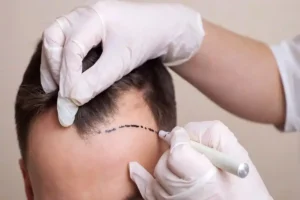
For many fathers, noticing the first signs of thinning can feel like a personal alarm clock. A balding dad often wonders if the changes are temporary or the start of a lifelong journey with male pattern baldness. This article explains the science behind hair loss, how to spot early symptoms, and which modern treatments—ranging from medication to advanced hair transplant techniques—can restore a fuller look and confidence. With over 210 monthly searches for “balding dad,” it’s clear that this concern resonates with countless men seeking practical solutions.
Understanding why hair recedes, especially after years of juggling work, family, and personal health, is the first step toward an effective plan. Whether you’re coping with a receding hairline or noticeable thinning on the crown, the strategies outlined here are designed for busy fathers who need reliable, lasting results without sacrificing valuable time.
We’ll explore genetic factors, lifestyle influences, and the latest medical options, ensuring you have a clear roadmap to make informed decisions. Let’s dive into the details that matter most to a dad who wants to stay present, confident, and looking his best.
What Causes Hair Loss in Men and How It Affects Dads
Hair loss in men is primarily driven by androgenetic alopecia, a hereditary condition influenced by dihydrotestosterone (DHT). While genetics set the stage, hormones, stress, nutrition, and overall health accelerate the process. For a dad balancing work deadlines, family responsibilities, and limited sleep, these additional factors can compound the thinning effect.
Key contributors include:
- Genetic predisposition: Family history of early baldness.
- Hormonal shifts: Elevated DHT levels shrink hair follicles.
- Stress: Chronic stress raises cortisol, affecting hair growth cycles.
- Nutrition: Deficiencies in iron, zinc, and vitamin D weaken hair.
- Lifestyle: Smoking, excessive alcohol, and lack of exercise.
Understanding these triggers helps a balding dad pinpoint actionable changes. For instance, managing stress through short daily mindfulness sessions can lower cortisol, while a balanced diet rich in protein supports follicle health.
Recognizing Early Signs of Male Pattern Baldness
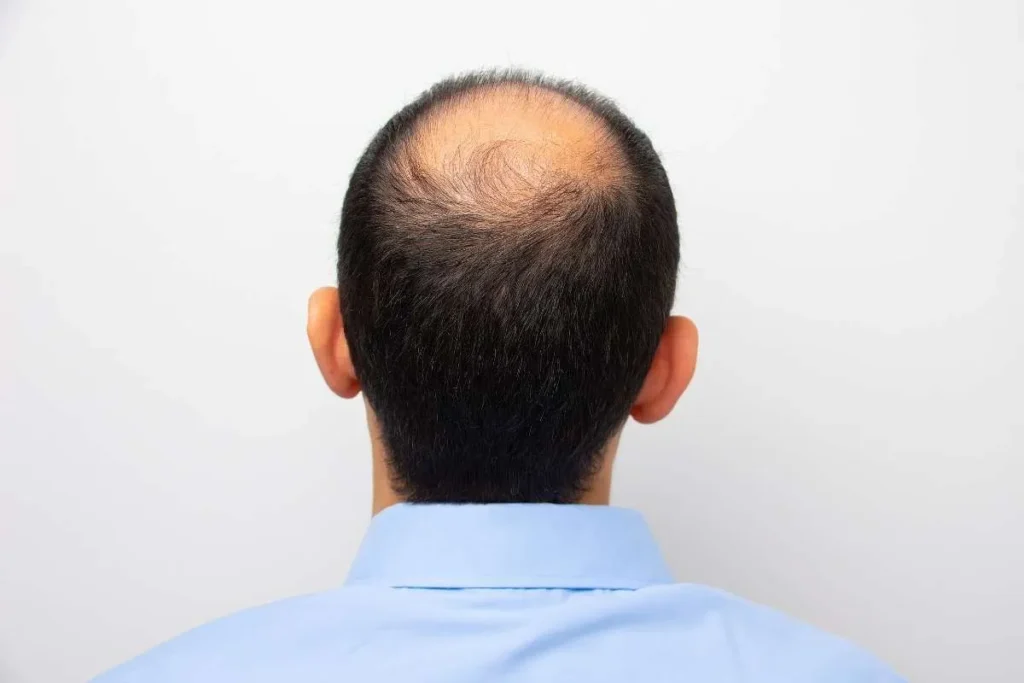
Early detection is crucial for effective intervention. A balding dad should watch for subtle changes that often go unnoticed amid daily routines. Common early indicators include:
| Sign | Description |
|---|---|
| Receding hairline | Gradual thinning at the temples, forming an “M” shape. |
| Thinning crown | Noticeable loss of density on the top of the head. |
| Increased hair shedding | Losing more than 100 strands per day, especially after washing. |
| Miniaturized hairs | Fine, short hairs replacing thicker strands. |
These patterns often follow the classic Norwood scale, progressing from stage I (minimal recession) to stage VII (extensive baldness). Spotting the first signs allows for timely use of treatments like finasteride or low-level laser therapy before the follicles become dormant.
Treatment Options: From Medication to Advanced Transplants
When a dad decides to act, the market offers a spectrum of solutions tailored to different degrees of hair loss. Below is a concise overview of the most common approaches:
- Topical Minoxidil: Over‑the‑counter solution that widens blood vessels, encouraging growth in early‑stage thinning.
- Oral Finasteride: Prescription pill that blocks DHT production, slowing progression of androgenetic alopecia.
- Low‑Level Laser Therapy (LLLT): Non‑invasive light devices that stimulate follicular activity.
- Platelet‑Rich Plasma (PRP): Autologous blood injection that delivers growth factors to the scalp.
- Hair Transplant Techniques:
- FUE (Follicular Unit Extraction): Individual follicles are harvested and implanted, leaving minimal scarring.
- DHI (Direct Hair Implantation): Utilizes a Choi pen for precise placement, reducing handling time.
For a balding dad with a demanding schedule, non‑surgical options like Minoxidil or LLLT provide flexibility, while surgical methods such as FUE or DHI deliver permanent, natural‑looking results. The choice depends on factors like the extent of loss, budget, and desired recovery time.
Choosing the Right Hair Restoration Method for a Busy Father
Selecting a treatment that fits a father’s lifestyle requires balancing effectiveness, downtime, and long‑term maintenance. Consider the following decision matrix:
| Method | Effectiveness | Recovery Time | Maintenance |
|---|---|---|---|
| Minoxidil | Moderate | None | Daily application |
| Finasteride | High (halts progression) | None | Daily oral dose |
| LLLT | Low‑to‑moderate | None | 2‑3 sessions/week |
| PRP | Moderate | 1‑2 days | Every 3‑6 months |
| FUE/DHI Transplant | High (permanent) | 7‑10 days | Minimal after‑care |
A dad who cannot afford a week off may start with Minoxidil and Finasteride, adding occasional PRP sessions for added density. If the goal is a lasting, natural look and the father can schedule a short recovery period, an FUE or DHI transplant performed by experienced surgeons—such as those at Gold City Hair—offers the most definitive solution.
Lifestyle Adjustments to Slow Down Hair Thinning
Even with medical intervention, everyday habits play a pivotal role in maintaining hair health. Simple changes can complement any treatment plan for a balding dad:
- Nutrition: Incorporate lean proteins, omega‑3 fatty acids, and leafy greens rich in iron and vitamin C.
- Stress Management: Practice short breathing exercises or a 10‑minute walk during lunch breaks.
- Scalp Care: Use a gentle sulfate‑free shampoo and avoid tight hairstyles that pull on the hair.
- Sleep: Aim for 7‑8 hours to support hormonal balance and cellular repair.
- Avoid Harmful Substances: Limit smoking and excessive alcohol, both linked to accelerated hair loss.
Integrating these habits not only supports existing follicles but also enhances the efficacy of medical or surgical treatments, giving dads a holistic approach to regaining confidence.
Why Choose Gold City Hair
Gold City Hair combines a decade of expertise with cutting‑edge FUE and DHI techniques, delivering personalized care for every balding dad. Our team prioritizes transparent communication, detailed pre‑procedure assessments, and post‑treatment support, ensuring a smooth journey from consultation to lasting results. Located in Turkey, we offer competitive pricing without compromising safety or quality, helping fathers worldwide restore confidence and enjoy a fuller, natural look.
Ready to take the next step? Contact Gold City Hair today to schedule a personalized consultation and discover the most effective solution for your hair loss. Regain your confidence and enjoy more time with your family—let us help you look and feel your best.
FAQ
What are the early signs of hair loss for a balding dad?
Early signs include a receding hairline, thinning crown, increased shedding, and miniaturized hairs.
How does androgenetic alopecia cause hair loss in men?
Androgenetic alopecia is driven by DHT, which shrinks hair follicles and shortens the growth cycle.
Which non‑surgical treatments are most effective for busy fathers?
Topical minoxidil, oral finasteride, and low‑level laser therapy are convenient and require little downtime.
What is the difference between FUE and DHI hair transplant techniques?
FUE extracts individual follicles and implants them, while DHI uses a Choi pen for direct implantation with less handling.
How can lifestyle changes help slow down hair thinning?
Balanced nutrition, stress management, proper scalp care, adequate sleep, and avoiding smoking/alcohol can support hair health.
What should a dad consider when choosing a hair restoration method?
Consider the extent of loss, budget, recovery time, and how the method fits into his daily routine.
Is PRP therapy safe and how often is it needed?
PRP is generally safe, using the patient’s own blood, and is typically performed every 3‑6 months for maintenance.