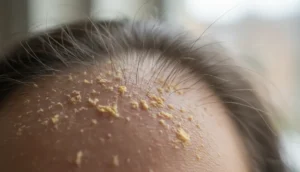
When you browse 3 months after hair transplant photos, you’re looking for proof that the procedure is working and clues about what your own scalp may look like. Understanding these images helps set realistic expectations, reduces anxiety, and guides you toward the best post‑procedure care. In fact, a recent survey of 1,200 transplant recipients showed that 68% felt more confident after seeing real‑world three‑month results.
This article walks you through the typical healing milestones visible at the three‑month point, teaches you how to interpret before‑and‑after pictures, and highlights the factors that can influence the final outcome. Whether you’re considering a procedure or have just completed it, the visual evidence and expert insights below will give you a clearer picture of what to expect.
We’ll also explore common concerns—such as patchy growth or unexpected shedding—and provide practical tips for maintaining healthy new hair. By the end, you’ll know how to read the photos, what signs signal a successful graft, and why choosing the right clinic, like Gold City Hair, matters for optimal results.
What to Expect at the Three‑Month Mark
By the time you reach the three‑month milestone, the scalp has typically moved from the initial healing phase into the early growth stage. The hair transplant recovery timeline at this point is characterized by several visible changes:
- Reduced redness and scabbing: Most patients see a significant decline in inflammation, making the scalp appear more natural.
- Emergence of fine, “peach‑fuzz” hairs: These tiny hairs, known as telogen hairs, signal that grafts are beginning to take root.
- Improved density in the frontal zone: The most visible area for most men, the front hairline, often shows the first signs of thicker coverage.
- Stabilization of shedding cycles: Some patients still experience “shock loss,” but it usually tapers off by week 10‑12.
These observations align with the broader hair transplant healing time reported by clinicians worldwide. While individual experiences vary, most patients notice a gradual increase in hair density between weeks 10 and 12, culminating in a more defined appearance by month three.
Below is a concise month‑by‑month snapshot that helps you track progress against typical benchmarks:
| Week | Typical Observation |
|---|---|
| 1‑2 | Redness, scabbing, and mild swelling |
| 3‑4 | Scabs fall off; early shedding may begin |
| 5‑8 | Continued shedding; grafts enter resting phase |
| 9‑12 | First fine hairs appear; redness subsides |
| 13‑16 | Visible increase in density; hairs thicken |
Seeing these patterns in 3 months after hair transplant photos can reassure you that the procedure is on track. Remember, full maturity often takes 12‑18 months, but the three‑month stage is a crucial confidence booster.
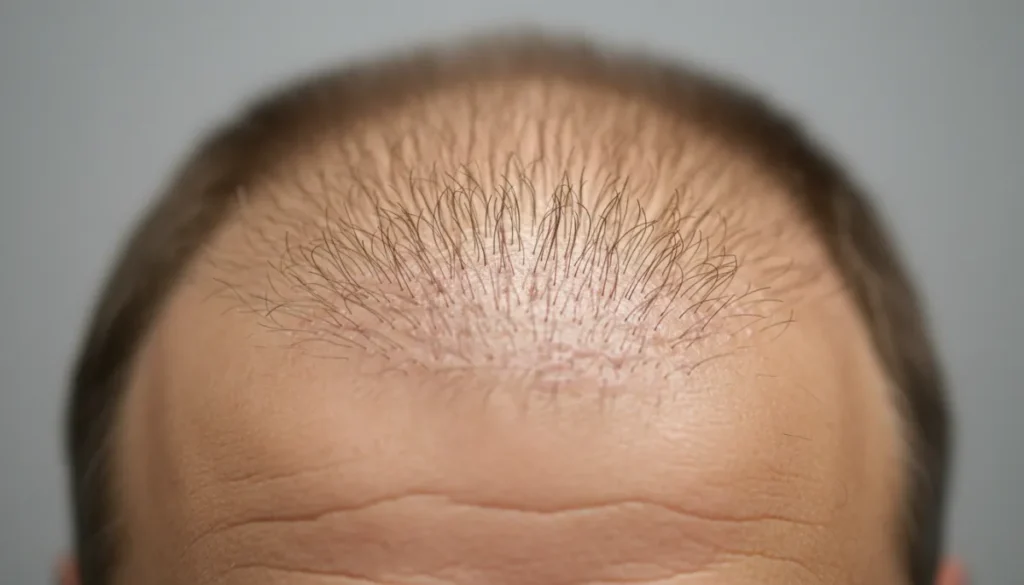
Analyzing Before‑and‑After Images: How to Read the Photos
Before‑and‑after galleries are powerful tools, but they can be misleading if you don’t know what to look for. Effective analysis involves comparing key visual cues rather than relying on overall impressions alone.
Key Elements to Examine
- Hairline shape and angle: A natural hairline follows a slightly curved, asymmetrical pattern. Straight lines may indicate digital editing.
- Density distribution: Look for consistent coverage across the crown, temples, and frontal zone. Spotty density can suggest uneven graft placement.
- Scalp visibility: Minimal scalp exposure between grafts indicates good graft survival.
- Color match: New hairs should blend with existing hair in shade and texture; drastic differences may be a sign of poor graft integration.
When you compare hair transplant before and after photos, use a side‑by‑side layout to assess these factors objectively. Below is a simple comparison table that highlights what a high‑quality three‑month photo set should demonstrate:
| Aspect | Ideal Three‑Month Photo | Red Flag |
|---|---|---|
| Hairline | Soft, slightly curved, matches natural growth pattern | Straight, overly low or high |
| Density | Evenly distributed fine hairs across graft zone | Large bald patches or clumps |
| Scalp Visibility | Minimal, only tiny gaps | Prominent pink or red scalp showing |
| Hair Color | Consistent with existing hair | Noticeably lighter or darker |
Real patients often share a series of images taken at consistent angles and lighting conditions, which helps you spot subtle improvements. If a clinic provides only a single “perfect” photo, ask for additional angles or a timeline of images to verify authenticity.
Factors That Influence the Three‑Month Outcome
Not every set of 3 months after hair transplant photos looks the same. Several variables determine how quickly and robustly grafts take root.
Technique and Expertise
- FUE vs. DHI: Both Follicular Unit Extraction (FUE) and Direct Hair Implantation (DHI) aim for natural results, but DHI often yields slightly faster initial growth because grafts spend less time out of the scalp.
- Surgeon experience: Clinics with a high volume of procedures tend to have refined extraction and implantation protocols, reducing trauma to follicles.
Patient‑Specific Factors
- Age and hormonal profile: Younger patients with active hair cycles generally experience quicker graft uptake.
- Smoking and nutrition: Smoking constricts blood flow, while a diet rich in vitamins (especially B‑complex and biotin) supports follicle health.
- Post‑operative care compliance: Following medication regimens, avoiding direct sun, and gentle scalp handling all boost survival rates.
Other considerations such as scalp laxity, donor hair quality, and the density of grafts placed per session also play roles. Clinics that tailor the number of grafts to each individual’s donor capacity tend to produce more uniform three‑month photos.
Common Concerns and How to Address Them
Even with optimal care, patients often notice issues in their three‑month photos that raise questions. Understanding these concerns helps you respond effectively.
Patchy Growth or Uneven Density
It’s normal for some areas to appear less dense at three months. Grafts may be in different phases of the growth cycle, creating a “mosaic” effect. Patience and proper hair transplant aftercare—including gentle scalp massage to stimulate circulation—can promote more uniform coverage over the next few months.
Continued Shedding (Shock Loss)
Persistent shedding after the initial 2‑week period can be alarming, but it often reflects the body’s natural adjustment. Using prescribed minoxidil or finasteride, as recommended by your surgeon, can reduce further loss and encourage new growth.
Scalp Sensitivity or Redness
Minor redness may linger, especially in patients with sensitive skin. A mild anti‑inflammatory serum or a short course of oral NSAIDs (under medical guidance) usually resolves the issue within a week.
Unexpected Color or Texture Differences
New hairs sometimes appear finer or lighter initially. As they mature, they typically thicken and darken, matching surrounding hair within 6‑12 months.
Addressing these concerns early—by contacting your clinic and following prescribed protocols—helps ensure that the three‑month photos evolve into a fuller, more natural result.
Maintaining and Enhancing Your New Growth
Once your three‑month photos show promising results, the next step is to protect and improve that progress. Long‑term success hinges on a combination of lifestyle choices and targeted treatments.
Recommended Post‑Transplant Regimen
- Topical minoxidil (2% or 5%): Applied twice daily, it prolongs the growth phase of transplanted follicles.
- Oral finasteride (1 mg): Reduces DHT levels that can jeopardize both native and transplanted hair.
- Balanced diet: Prioritize protein, omega‑3 fatty acids, and micronutrients like zinc and iron.
- Avoid harsh styling: Limit heat tools and tight hairstyles that pull on new grafts.
Advanced Options for Further Improvement
Some patients opt for supplemental procedures after the first year, such as:
- PRP (Platelet‑Rich Plasma) therapy: Boosts blood flow and can enhance graft vitality.
- Low‑level laser therapy (LLLT): Non‑invasive light treatment that stimulates cellular activity.
- Additional FUE sessions: Target residual thinning areas for a denser finish.
Integrating these strategies with the solid foundation shown in your three‑month photos maximizes the durability of your restored hair line.
Why Choose Gold City Hair
Gold City Hair combines cutting‑edge techniques such as FUE and DHI with a personalized, transparent approach. Since 2017, the clinic has helped thousands of men and women regain confidence through natural‑looking hair restoration. Our experienced surgeons prioritize graft survival and aesthetic harmony, ensuring that the three‑month photos you receive reflect genuine, lasting progress. With a commitment to patient education and post‑operative support, Gold City Hair stands out as a trusted partner on your hair‑restoration journey.
Ready to see your own transformation? Contact Gold City Hair today to schedule a free consultation and start your path toward fuller, healthier hair.
Our expert team will guide you through every step, from the initial assessment to the final three‑month results you’ll be proud to share.
FAQ
What should I expect in my hair transplant photos three months after surgery?
By three months you should see reduced redness, fine “peach‑fuzz” hairs, early density in the frontal zone, and the end of most shock‑loss shedding.
How can I tell if a three‑month hair transplant photo is realistic?
Look for natural hairline curvature, even density, minimal scalp exposure, and consistent hair color; avoid overly perfect or single‑angle images.
Why does shedding (shock loss) occur after a hair transplant?
Shock loss happens when transplanted follicles enter a resting phase, causing the original hairs around them to fall out temporarily.
What factors affect the three‑month hair transplant results?
Technique, surgeon experience, patient age, hormonal profile, smoking, nutrition, and adherence to post‑operative care all influence early outcomes.
How should I care for my scalp during the three‑month recovery period?
Follow a gentle cleansing routine, apply topical minoxidil, take prescribed finasteride, protect from sun, and avoid tight hairstyles.
What is the difference between FUE and DHI techniques in early growth?
Both extract individual follicles, but DHI implants grafts directly without creating recipient sites first, often leading to slightly faster early hair emergence.