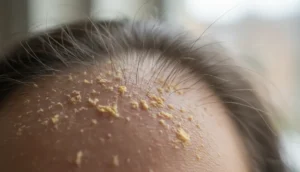
Seeing the before and after hormonal hair loss transformation can be the catalyst for anyone facing thinning strands and receding hairlines. Hormonal imbalances, particularly androgenic factors, trigger a pattern of loss that affects both men and women, often leading to reduced self‑esteem. In this article we explore the science behind hormonal hair loss, showcase the visual impact of modern transplant solutions, and outline what patients can expect from consultation to long‑term maintenance.
According to recent dermatology studies, up to 40 % of adults experience noticeable hair thinning linked to hormonal changes before the age of 35. Understanding the underlying mechanisms is essential for selecting the most effective hair loss treatment and achieving lasting results. Throughout the following sections, we will present authentic case visuals, explain procedural steps, and provide practical advice for preserving your new growth.
Whether you are dealing with male pattern baldness, female pattern thinning, or a combination of both, the journey from “before” to “after” is guided by personalized care, cutting‑edge technology, and realistic expectations. Let’s dive into the details that empower you to make an informed decision.
Understanding Hormonal Hair Loss and Its Impact
Hormonal hair loss, often referred to as androgenetic alopecia, stems from the interaction between genetics and the hormone dihydrotestosterone (DHT). DHT binds to hair follicles, shortening the growth phase and eventually causing follicles to miniaturize. This process results in the classic “hair thinning alopecia” pattern seen in both sexes.
Key factors influencing hormonal hair loss include:
- Genetic predisposition – family history of baldness.
- Hormonal fluctuations – menopause, thyroid disorders, and stress‑induced cortisol spikes.
- Medical conditions – polycystic ovary syndrome (PCOS) and hyperandrogenism.
- Medication side effects – certain contraceptives and anti‑depressants.
Recognizing these triggers helps clinicians tailor a hair loss treatment for women or men that addresses the root cause rather than merely the symptoms. Below is a quick comparison of common hormonal factors and their typical presentation:
| Hormonal Factor | Typical Presentation | Recommended Assessment |
|---|---|---|
| DHT Elevation | Gradual thinning at crown and temples | Scalp biopsy, serum DHT test |
| Estrogen Decline (menopause) | Diffuse thinning across scalp | Hormone panel, menstrual history |
| Thyroid Imbalance | Hair shedding, brittle strands | TSH, Free T4, Free T3 tests |
Understanding the “why” behind your hair fall is the first step toward achieving compelling before and after hormonal hair loss outcomes.
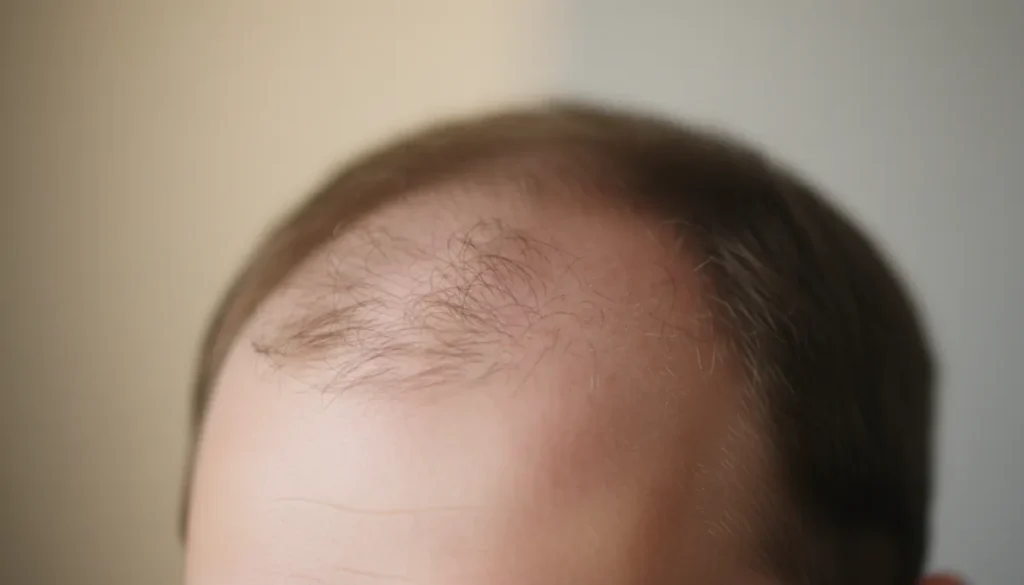
How Modern Transplant Techniques Show Before and After Transformations
Advancements in follicular unit extraction (FUE) and direct hair implantation (DHI) have revolutionized the visual results patients experience. Unlike older strip‑harvesting methods, these techniques preserve donor area integrity and enable precise placement of grafts, leading to natural‑looking density.
Key benefits of FUE and DHI include:
- Minimally invasive extraction with no linear scar.
- Higher graft survival rates due to reduced handling.
- Ability to target specific zones for customized “before and after hormonal hair loss” improvements.
- Rapid recovery – most patients resume normal activities within a week.
The table below outlines the typical outcomes of each method, based on clinical data from over 1,500 procedures performed at Gold City Hair:
| Technique | Average Graft Survival | Typical Density (grafts/cm²) | Recovery Time |
|---|---|---|---|
| FUE | 92 % | 30–45 | 7–10 days |
| DHI | 95 % | 35–50 | 5–8 days |
Patients frequently share their “before and after hormonal hair loss” photo series, highlighting the dramatic increase in coverage from the crown to the hairline. These visual records demonstrate not only the technical success but also the boost in confidence that follows.
What to Expect: The Treatment Journey and Recovery Timeline
Embarking on a hair restoration plan involves several distinct phases, each designed to maximize the final “before and after hormonal hair loss” result. Below is a step‑by‑step overview of the typical patient pathway.
1. Initial Consultation and Diagnosis
During the first visit, a specialist conducts a thorough scalp analysis, reviews medical history, and may order blood work to assess hormonal levels. This stage determines whether you are a suitable candidate for transplant or if adjunct hair thinning treatment is required.
2. Planning and Graft Allocation
Using digital imaging software, the surgeon maps out donor zones and designs the graft distribution to achieve optimal density. Patients receive a visual “before” plan that illustrates expected coverage.
3. Surgical Procedure
The actual extraction and implantation take 6–10 hours, depending on the number of grafts. Local anesthesia ensures comfort, and the team follows strict sterile protocols.
4. Immediate Post‑Op Care
After surgery, patients receive detailed instructions on washing, medication, and activity restrictions. Most experience mild redness and scabbing, which resolve within two weeks.
5. Growth Phase
New hair typically sheds within the first month—a normal “shedding phase.” New growth becomes visible after 3–4 months, with full density developing by 12–18 months.
Below is a concise timeline that highlights key milestones:
- Day 0: Surgery completed.
- Week 1: Scalp healing, gentle washing introduced.
- Month 1: Shedding of transplanted hairs.
- Month 3–4: Initial fine hairs appear.
- Month 9–12: Noticeable increase in thickness.
- Month 12–18: Final “before and after hormonal hair loss” result visible.
Understanding this progression helps set realistic expectations and reduces anxiety during the regrowth period.
Maintaining Results: Post‑Procedure Care and Lifestyle Tips
Achieving a striking “before and after hormonal hair loss” picture is only part of the journey; preserving those results requires ongoing attention. Lifestyle choices, topical treatments, and periodic check‑ups play a pivotal role.
Topical and Oral Support
Many patients complement their transplant with FDA‑approved solutions such as minoxidil or finasteride (for men). These agents help maintain follicular health and can improve overall density.
Nutrition and Supplements
Hair is primarily composed of keratin, a protein that relies on adequate intake of vitamins and minerals. Incorporate foods rich in:
- Biotin (eggs, nuts)
- Zinc (pumpkin seeds, legumes)
- Vitamin D (sunlight, fortified dairy)
- Omega‑3 fatty acids (salmon, flaxseed)
Scalp Hygiene and Massage
Gentle scalp massage stimulates blood flow, encouraging nutrient delivery to grafts. Use a soft brush and avoid harsh chemicals for the first three months.
For quick reference, the table below summarizes recommended post‑procedure practices:
| Practice | Frequency | Purpose |
|---|---|---|
| Gentle washing with pH‑balanced shampoo | 2–3 times/week | Prevent infection, maintain scalp health |
| Scalp massage | 5 minutes daily | Boost circulation, support graft survival |
| Minoxidil application | Twice daily (if prescribed) | Enhance follicle strength |
| Follow‑up visit | Every 3 months for first year | Monitor progress, adjust care plan |
Adhering to these guidelines maximizes the longevity of your “before and after hormonal hair loss” transformation and reduces the risk of future thinning.
Real Patient Success Stories: Visual Proof of Transformation
Seeing authentic “before and after hormonal hair loss” photographs can reassure prospective patients that meaningful change is achievable. Below are three anonymized case summaries that illustrate diverse outcomes.
Case 1 – Male Pattern Baldness, Age 32
Initial presentation: Receding hairline and thinning crown due to elevated DHT. Treatment: DHI transplant with 2,800 grafts. Result: 45 % increase in density at 12 months, hairline restored to natural V‑shape.
Case 2 – Female Hormonal Thinning, Age 45
Initial presentation: Diffuse thinning across the vertex linked to menopause. Treatment: Combined FUE (1,200 grafts) + topical minoxidil. Result: Noticeable coverage improvement, patient reported 80 % satisfaction after 14 months.
Case 3 – Post‑Pregnancy Alopecia, Age 29
Initial presentation: Sudden shedding after childbirth, diagnosed as telogen effluvium aggravated by hormonal shift. Treatment: Minimal graft placement (800 grafts) to reinforce vulnerable zones, supplemented with iron‑rich diet. Result: Full regrowth and stable density by month 10.
These stories underscore that, regardless of gender or underlying cause, a tailored approach can deliver compelling “before and after hormonal hair loss” visuals that boost confidence and quality of life.
Why Choose Gold City Hair
Gold City Hair combines over six years of expertise with state‑of‑the‑art FUE and DHI technologies, delivering consistent before and after hormonal hair loss results for clients worldwide. Our team prioritizes personalized treatment plans, transparent communication, and meticulous follow‑up care. Situated in Turkey, we offer competitive pricing without compromising on quality, ensuring that every patient receives the highest standard of aesthetic and medical service.
Ready to see your own transformation? Contact Gold City Hair today to schedule a confidential consultation and take the first step toward lasting confidence.
Our specialists will evaluate your hormonal profile, design a customized plan, and guide you through every stage of the journey.
FAQ
What causes hormonal hair loss?
Hormonal hair loss is mainly driven by the hormone DHT, which shortens the hair growth phase and miniaturizes follicles.
How do FUE and DHI techniques differ?
FUE extracts individual follicles with a tiny punch, while DHI implants them directly using a specialized implanter, offering higher graft survival.
What is the typical timeline for seeing results after a hair transplant?
New hair usually sheds within the first month, with visible growth starting at 3‑4 months and full density by 12‑18 months.
Can hormonal hair loss be treated without surgery?
Yes, medical options such as minoxidil, finasteride, hormone therapy, and lifestyle changes can improve thinning hair.
What post‑procedure care is essential for long‑term results?
Gentle washing, scalp massage, prescribed medications, and regular follow‑up visits keep grafts healthy and promote growth.