Many people wonder can a dermatologist help with thinning hair and what options are truly effective. Thinning hair affects both men and women, often leading to reduced confidence and concerns about future hair loss. In fact, recent studies show that up to 40% of adults experience noticeable hair thinning by the age of 35, making early intervention essential.
This article examines the role of dermatologists in diagnosing and treating hair thinning, compares medical and surgical solutions, and highlights lifestyle measures that support healthy hair growth. Whether you are exploring topical products, prescription medications, or considering a hair transplant, understanding the expertise a dermatologist brings can guide you toward the most appropriate and lasting results.
We will cover the underlying causes of thinning hair, the range of dermatological treatments available, when a hair transplant might be advisable, and practical home‑care tips. By the end, you’ll have a clear picture of how a qualified skin specialist can help you reclaim a fuller, healthier head of hair.
Understanding Thinning Hair and the Role of Dermatology
Dermatologists are medical doctors trained to evaluate skin, scalp, and hair disorders. When you ask can a dermatologist help with thinning hair, the answer hinges on their ability to identify the precise cause—whether hormonal, genetic, nutritional, or related to scalp health.
Common Causes of Thinning Hair
- Androgenetic alopecia (pattern hair loss)
- Telogen effluvium caused by stress or illness
- Hormonal changes, especially in women during menopause or pregnancy
- Nutrient deficiencies such as iron, zinc, or vitamin D
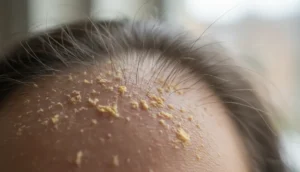
- Scalp conditions like seborrheic dermatitis or psoriasis
- Medications including certain antidepressants, blood thinners, and chemotherapy agents
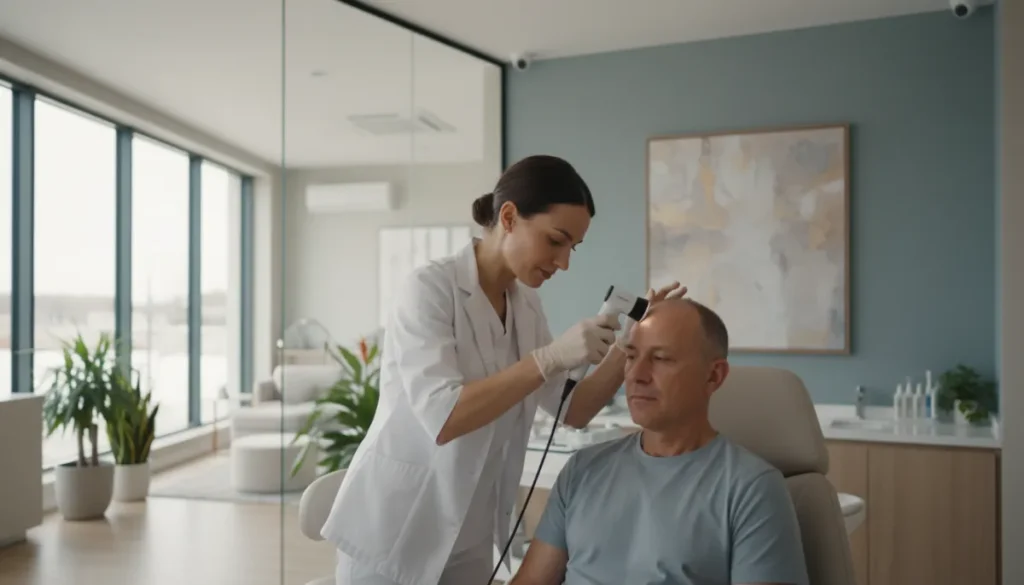
A thorough clinical examination, often supplemented by a scalp biopsy or blood tests, enables the dermatologist to pinpoint the underlying factor and tailor a treatment plan.
Dermatology vs. Other Professionals
| Aspect | Dermatologist | Trichologist / Hair Specialist | General Practitioner |
|---|---|---|---|
| Medical Training | Medical degree + residency in dermatology | Specialized training in hair science (non‑medical) | Medical degree, limited focus on hair |
| Prescription Authority | Can prescribe finasteride, oral minoxidil, hormonal therapies | Cannot prescribe prescription meds | Can prescribe but may lack specialized knowledge |
| Diagnostic Tools | Dermatoscopy, biopsy, blood work | Scalp analysis, visual assessment | Basic physical exam |
| Procedural Options | In‑office injections (PRP), laser therapy, surgical referrals | Topical treatments, counseling | Referral to specialists |
Because of their comprehensive training, dermatologists are uniquely positioned to address the full spectrum of hair thinning concerns, from simple nutrient deficiencies to complex hormonal imbalances.
Dermatological Treatments for Thinning Hair
When you ask again, can a dermatologist help with thinning hair, the answer is a resounding yes—through a variety of evidence‑based medical options. These treatments target the root causes identified during the diagnostic phase.
Topical Solutions
- Minoxidil (2% for women, 5% for men) – the only FDA‑approved over‑the‑counter treatment that stimulates follicular activity.
- Topical finasteride – emerging off‑label use for men who cannot tolerate oral medication.
- Corticosteroid creams or solutions – for inflammatory scalp conditions like alopecia areata.
Oral Medications
- Finasteride (1 mg daily) – blocks the conversion of testosterone to DHT, the hormone responsible for follicle miniaturization.
- Spironolactone – anti‑androgen used primarily in women with hormonal hair loss.
- Oral minoxidil – low‑dose option for patients unresponsive to topical forms.
Procedural Options
- Platelet‑rich plasma (PRP) injections – concentrate growth factors to rejuvenate dormant follicles.
- Low‑level laser therapy (LLLT) – non‑invasive light treatment that improves cellular metabolism.
- Microneedling – enhances topical absorption and stimulates collagen production.
Choosing the right regimen often involves combining therapies. For example, many dermatologists pair minoxidil with finasteride for synergistic effects, while also recommending PRP sessions for accelerated results.
When to Consider a Hair Transplant with a Dermatologist’s Guidance
Even with the best medical regimen, some individuals reach a point where hair density cannot be restored solely with medication. In such cases, the question can a dermatologist help with thinning hair extends to surgical planning. Dermatologists often collaborate with certified hair transplant surgeons to evaluate candidacy for procedures like Follicular Unit Extraction (FUE) or Direct Hair Implantation (DHI).
Criteria for Transplant Eligibility
| Factor | Ideal Range | Notes |
|---|---|---|
| Donor Area Density | ≥ 20 follicles/cm² | Ensures sufficient grafts for extraction |
| Scalp Laxity | Moderate to high | Reduces tension and improves graft survival |
| Age | 18–55 years | Younger patients have more robust healing |
| Stability of Hair Loss | ≥ 12 months | Ensures pattern is established before surgery |
Dermatologists assess these parameters during the pre‑operative consultation, often performing a trichoscopic analysis to map existing hair follicles. Their medical insight also helps manage post‑operative care, such as prescribing anti‑inflammatory medications and advising on proper scalp hygiene to maximize graft survival.
Lifestyle and Home‑Care Recommendations from Dermatologists
Medical interventions work best when paired with supportive daily habits. Dermatologists often emphasize that addressing hair thinning is not solely about prescription drugs; nutrition, stress management, and proper hair care play vital roles.
Nutrition and Supplements
- Biotin (Vitamin B7) – supports keratin production; 30 µg daily is typical.
- Iron and zinc – essential for follicle metabolism; check serum levels before supplementing.
- Vitamin D – deficiency linked to alopecia; aim for 1,000–2,000 IU daily if low.
- Omega‑3 fatty acids – anti‑inflammatory properties that improve scalp health.
Hair‑Care Practices
- Avoid tight hairstyles that cause traction alopecia.
- Limit heat styling and harsh chemical treatments.
- Use a mild, sulfate‑free shampoo and conditioner formulated for thinning hair.
- Gently massage the scalp for 2–3 minutes daily to stimulate blood flow.
Stress Reduction Techniques
- Regular aerobic exercise – boosts circulation.
- Meditation or mindfulness practices – lowers cortisol, a hormone that can exacerbate hair loss.
- Adequate sleep – 7–9 hours per night supports overall cellular repair.
By integrating these lifestyle adjustments, patients often see enhanced results from their dermatological treatments, creating a synergistic effect that promotes thicker, healthier hair over time.
Why Choose Gold City Hair
Gold City Hair combines world‑class dermatological expertise with cutting‑edge transplant techniques such as FUE and DHI. Since 2017, our Istanbul‑based clinic has delivered personalized treatment plans that prioritize safety, transparency, and lasting results. Our team of board‑certified dermatologists works closely with skilled surgeons to ensure every patient receives a seamless journey—from accurate diagnosis to post‑procedure care—helping you regain confidence and a natural‑looking hairline.
Ready to take the next step toward fuller hair? Contact Gold City Hair today for a comprehensive dermatology consultation and discover the best treatment path for your unique needs.
Call us now or fill out our secure online form to schedule your appointment and start your transformation.
FAQ
Can a dermatologist diagnose the cause of thinning hair?
Yes, dermatologists can identify the underlying cause of thinning hair through exams, scalp biopsies, and blood tests.
What medical treatments can a dermatologist prescribe for hair thinning?
Dermatologists can prescribe topical minoxidil, oral finasteride, spironolactone, corticosteroid creams, and newer options like topical finasteride or oral minoxidil.
How does PRP therapy work for hair growth?
PRP therapy uses the patient’s own platelet‑rich plasma to deliver growth factors that revitalize dormant hair follicles.
When should I consider a hair transplant instead of medication?
Consider a transplant when medical therapy no longer increases density and the donor area has sufficient follicles.
What lifestyle changes support dermatological hair loss treatments?
Balanced nutrition, stress management, gentle hair care, and adequate sleep enhance treatment outcomes.
How do dermatologists differ from trichologists in treating hair loss?
Dermatologists have medical training and can prescribe medications and perform procedures; trichologists focus on non‑medical hair care.