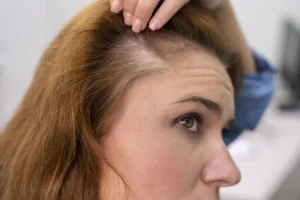
Many men and women wonder does a receding hairline grow back and if there are realistic ways to restore the front of their scalp. A receding hairline is often the first visible sign of androgen‑induced hair loss, but it can also result from stress, nutritional deficiencies, or certain hairstyles. Understanding why the hairline recedes and what factors influence regrowth helps you make informed decisions about treatment.
In this article we explore the biology behind a receding hairline, examine whether natural regrowth is possible, and outline both non‑surgical and surgical options. Whether you are noticing a subtle shift in your hairline or a more pronounced pattern, the information below will guide you toward the most effective solution for your situation.
According to recent dermatology surveys, up to 30 % of adults experience noticeable thinning at the hairline before the age of 30. Early recognition and timely intervention can dramatically improve outcomes, especially when considering advanced procedures like follicular unit extraction (FUE) or direct hair implantation (DHI) offered by Gold City Hair.
Understanding the Causes of a Receding Hairline
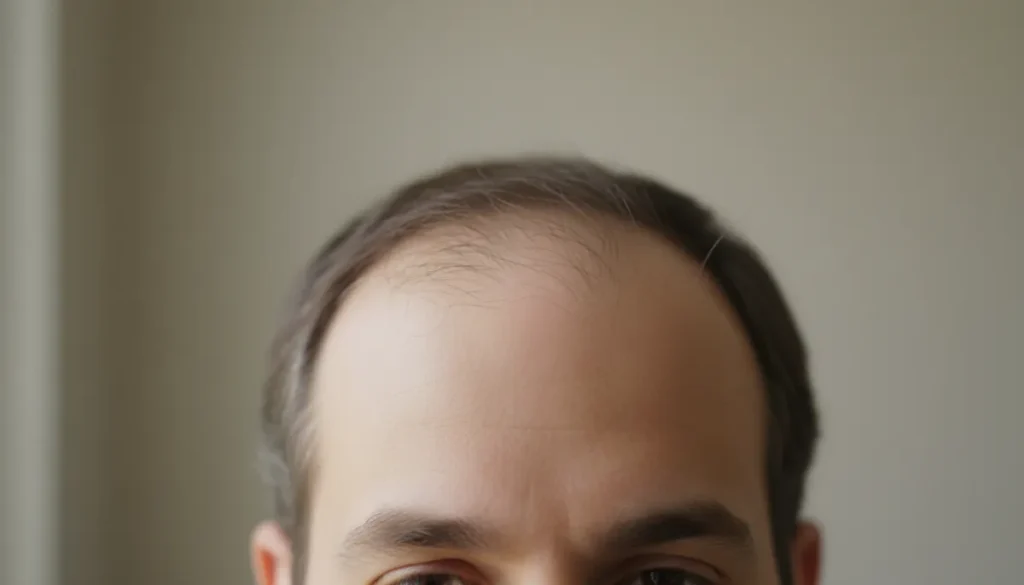
A receding hairline can develop for several reasons, each affecting the follicles in distinct ways. The most common cause is genetic predisposition combined with the hormone dihydrotestosterone (DHT), which shortens the growth phase of hair follicles. Other contributors include:
- Chronic stress that disrupts the hair growth cycle.
- Nutrient deficiencies, especially iron, zinc, and biotin.
- Traction from tight hairstyles such as ponytails or braids.
- Medical conditions like thyroid disorders or alopecia areata.
Recognizing these factors is essential because they dictate whether the hairline can recover on its own or requires medical assistance. For example, a hairline receding due to temporary stress may rebound once the underlying cause is addressed, whereas androgen‑driven recession often continues without intervention.
Can a Receding Hairline Regrow Naturally?
When evaluating does a receding hairline grow back, the answer depends on the stage of hair loss and the underlying cause. Early‑stage recession, often termed a “mature hairline,” may still contain viable follicles capable of producing new strands if the right conditions are restored.
Key indicators that natural regrowth is possible include:
| Indicator | What It Means |
|---|---|
| Visible mini‑sprouts | Small hairs emerging from the scalp, suggesting follicles are still active. |
| Non‑scarring skin | No permanent damage; the scalp appears smooth and healthy. |
| Recent onset (less than 2 years) | Shorter duration increases chances of reversal. |
Lifestyle modifications can boost these chances. A diet rich in protein, omega‑3 fatty acids, and vitamins (especially A, D, and E) supports follicular health. Scalp massage with essential oils, such as rosemary or peppermint, may increase blood flow, encouraging growth. However, even with optimal care, natural regrowth rarely restores a fully dense hairline once significant follicular miniaturization has occurred.
Medical Treatments That Promote Hairline Recovery
For many individuals asking does a receding hairline grow back, topical and oral medications provide the most evidence‑based results. The two most widely studied agents are minoxidil and finasteride.
- Minoxidil (5 % solution) – a vasodilator that prolongs the anagen (growth) phase. It is applied twice daily and can stimulate dormant follicles, especially at the frontal scalp.
- Finasteride (1 mg daily) – an oral 5‑α‑reductase inhibitor that reduces DHT levels, slowing follicle miniaturization and often leading to modest regrowth.
- Platelet‑Rich Plasma (PRP) – injections of concentrated platelets release growth factors that may improve hair density when combined with other therapies.
- Low‑Level Laser Therapy (LLLT) – devices that emit red light to enhance cellular metabolism in hair follicles.
Clinical studies suggest that consistent use of minoxidil can achieve visible improvement in 30‑40 % of users within six months, while finasteride shows a higher success rate in men but is less commonly prescribed for women due to hormonal considerations.
Lifestyle Adjustments and Home Remedies
Even when medical treatments are in place, supporting hair health through everyday habits can enhance results. Below are practical steps that address common concerns related to a receding hairline.
- Nutrition – Prioritize lean proteins, omega‑3 rich fish, and antioxidant‑rich fruits and vegetables.
- Stress Management – Practice mindfulness, yoga, or regular exercise to lower cortisol levels that can trigger hair shedding.
- Avoid Harsh Styling – Limit tight ponytails, heat tools, and chemical straightening that cause traction alopecia.
- Scalp Hygiene – Use gentle, sulfate‑free shampoos and avoid excessive scrubbing that can irritate the scalp.
While home remedies such as onion juice or caffeine‑based shampoos are popular, scientific evidence for their effectiveness remains limited. Nevertheless, they can be incorporated as complementary measures alongside proven therapies.
When Surgical Restoration Becomes the Best Option
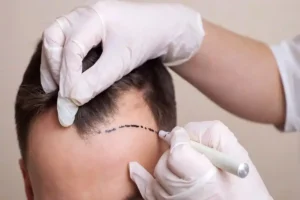
If natural or medical approaches do not halt the progression of a receding hairline, many patients turn to surgical restoration. The question “does a receding hairline grow back” often shifts to “can it be rebuilt” once follicular units are permanently transplanted.
Gold City Hair specializes in two leading techniques:
- Follicular Unit Extraction (FUE) – Individual follicles are harvested from the donor area (typically the back of the head) and implanted into the frontal zone, creating a natural‑looking hairline.
- Direct Hair Implantation (DHI) – Similar to FUE but uses a specialized implanter pen, allowing for precise depth control and higher graft survival rates.
When planning a transplant, consider these factors:
| Factor | Impact on Outcome |
|---|---|
| Donor Hair Quality | Denser donor sites yield better coverage and longevity. |
| Hairline Design | Customized shaping ensures a natural appearance that matches facial features. |
| Post‑Op Care | Adherence to after‑care instructions reduces graft loss and speeds healing. |
Patients typically see visible hairline improvement within three to four months, with full maturation occurring by twelve months. Choosing an experienced clinic with transparent communication, like Gold City Hair, maximizes the likelihood of a successful, lasting result.
Why Choose Gold City Hair
Gold City Hair has been delivering personalized hair restoration solutions in Turkey since 2017. Our team combines expertise in FUE, DHI, and eyebrow/beard transplants with a commitment to transparent, patient‑focused care. By tailoring each plan to individual hair patterns and expectations, we help clients regain confidence and achieve natural‑looking results.
Ready to take the first step toward a fuller hairline? Contact Gold City Hair today for a personalized consultation and discover how our advanced techniques can restore your confidence.
FAQ
Can a receding hairline grow back naturally?
Natural regrowth is possible in early stages if follicles are still viable and underlying causes are addressed.
What are the main causes of a receding hairline?
Genetics, DHT hormone, stress, nutrient deficiencies, traction hairstyles, and certain medical conditions.
Which medical treatments are most effective for hairline regrowth?
Minoxidil, finasteride, PRP injections, and low‑level laser therapy have the strongest evidence.
How does minoxidil work on a receding hairline?
It widens blood vessels, increasing blood flow and prolonging the anagen phase of hair follicles.
What is the difference between FUE and DHI hair transplants?
Both harvest individual follicles, but DHI uses a pen‑style implanter for more precise placement and higher graft survival.
When should I consider surgical restoration for my hairline?
When natural and medical options no longer halt progression and you desire a permanent, natural‑looking result.