Many people wonder, can you bring back dead hair follicles, especially when thinning patches appear suddenly. Understanding whether a follicle that has stopped producing hair can be re‑activated is essential for anyone facing hair loss. This article explains the biology behind follicle death, the realistic limits of regeneration, and the most effective treatments available today.
Hair loss affects more than 70 million men and women worldwide, and the emotional impact can be profound. While some products promise miracles, only evidence‑based approaches can truly address the underlying problem. In the sections that follow, we will explore the science of follicle health, why some follicles are beyond repair, and what medical or cosmetic options can help you achieve a fuller, natural look.
Whether you are dealing with early‑stage thinning or advanced balding, knowing the difference between dormant and dead follicles will guide you toward the right solution—whether that means targeted therapies, lifestyle adjustments, or a professional hair transplant performed by experts at Gold City Hair.
Understanding Hair Follicle Health and Death
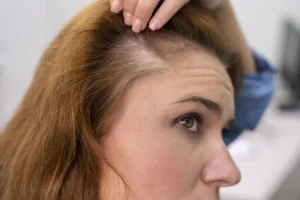
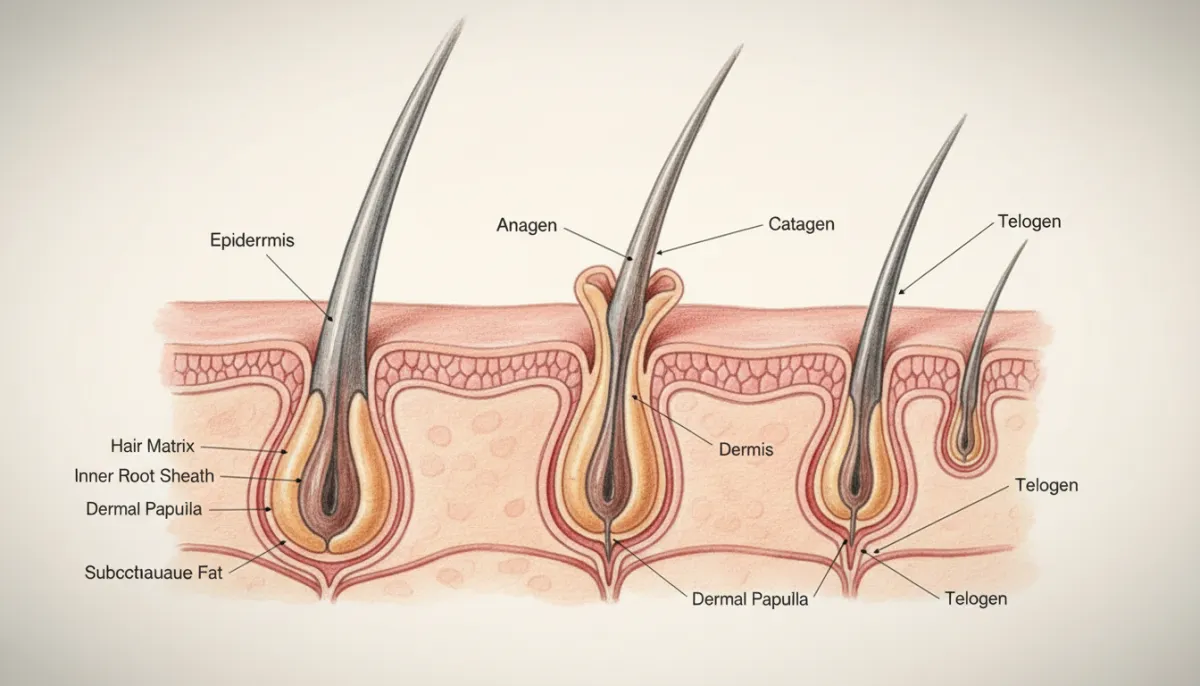
Hair follicles are mini‑organs that cycle through growth (anagen), regression (catagen), and rest (telogen) phases. A healthy follicle can produce hair for years, but various factors—genetics, hormonal changes, inflammation, or trauma—can push a follicle into a permanent resting state, often referred to as “miniaturized” or “dead.”
Key indicators that a follicle is no longer viable include:
- Absence of any visible regrowth after a full telogen cycle (approximately 3‑4 months).
- Scarring or fibrosis in the scalp tissue surrounding the follicle.
- Persistent inflammation or autoimmune activity that destroys follicular stem cells.
Research shows that once a follicle’s stem cell niche is destroyed, natural regrowth is highly unlikely. This is why many hair‑loss treatments focus on preserving existing follicles rather than attempting to resurrect those that are truly dead.
Below is a quick comparison of follicle states and their typical response to treatment:
| Follicle State | Typical Appearance | Response to Topical/Oral Therapy |
|---|---|---|
| Active (Anagen) | Thick, pigmented hair | Positive—growth can be enhanced |
| Dormant (Telogen) | Fine, short hairs | Variable—may re‑enter anagen with stimulation |
| Miniaturized | Very fine, short hairs | Limited—often requires aggressive treatment |
| Dead/Scarred | No hair, scar tissue | Minimal—usually only surgical restoration works |
Why Dead Follicles Cannot Regrow Naturally
When a follicle is truly dead, the cellular machinery that drives hair production is irreversibly damaged. The stem cells residing in the bulge area of the follicle are essential for initiating a new growth cycle. If these cells are lost, the follicle loses its regenerative capacity.
Common reasons for irreversible follicle loss include:
- Scarring alopecia: Autoimmune attacks replace follicular tissue with fibrous scar tissue.
- Severe inflammation: Chronic dermatitis or infections can destroy the follicular matrix.
- Physical trauma: Burns, deep cuts, or aggressive styling that damages the follicle base.
- Advanced androgenic alopecia: Prolonged exposure to dihydrotestosterone (DHT) can shrink follicles beyond recovery.
Even potent hair growth products like minoxidil or finasteride cannot resurrect follicles that lack a functional stem cell niche. These medications work best on follicles that are still capable of entering the anagen phase, helping them stay thicker and longer.
Because of this limitation, many patients who ask can you bring back dead hair follicles are directed toward surgical solutions that replace the lost units with healthy grafts harvested from donor areas.
Medical and Cosmetic Options for Reviving Inactive Follicles
While dead follicles cannot be revived, there are several evidence‑based approaches to improve the appearance of thinning areas and to replace lost hair.
Pharmacological Treatments
Medications such as finasteride and minoxidil are the cornerstone of non‑surgical therapy. Finasteride reduces DHT levels, slowing follicular miniaturization, while minoxidil expands blood flow to the scalp, encouraging dormant follicles to re‑enter anagen.
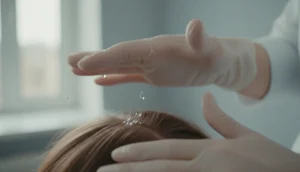
Other emerging options include platelet‑rich plasma (PRP) injections, which deliver growth factors directly to the scalp, and low‑level laser therapy (LLLT) that stimulates cellular activity.
Topical and Nutritional Supplements
Products labeled “best hair growth supplements” often contain biotin, zinc, and saw‑palmetto. While they support overall hair health, they are most effective when combined with proven medical therapies.
Below is a quick guide to common non‑surgical options and their primary benefits:
- Minoxidil 5% – Increases follicular blood flow; works best on early‑stage thinning.
- Finasteride 1 mg – Blocks DHT production; suitable for men with androgenic alopecia.
- PRP Therapy – Concentrated platelets promote healing and may improve follicle vitality.
- LLLT Devices – Low‑intensity lasers stimulate cellular metabolism.
- Hair Growth Vitamins – Biotin, vitamin D, iron support overall hair health.
Surgical Restoration: Hair Transplant
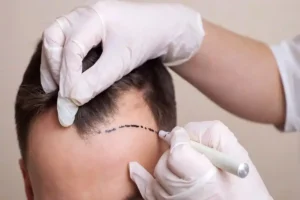
When follicles are permanently lost, the most reliable solution is a hair transplant. Techniques such as Follicular Unit Extraction (FUE) and Direct Hair Implantation (DHI) remove healthy grafts from a donor region—usually the back of the head—where follicles are genetically resistant to DHT. These grafts are then implanted into balding zones, creating a natural‑looking density.
Gold City Hair specializes in both FUE and DHI, offering personalized treatment plans that consider scalp laxity, donor hair quality, and aesthetic goals. The clinic’s transparent communication and post‑procedure care ensure optimal graft survival and long‑term results.
Lifestyle and Topical Strategies to Support Existing Follicles
Even if you cannot bring back dead follicles, protecting the ones that remain can slow further loss and improve overall hair density.
Scalp Care Routine
Gentle cleansing with sulfate‑free shampoos reduces irritation. Regular scalp massages increase micro‑circulation, delivering nutrients to the follicle base.
Diet and Supplements
A balanced diet rich in protein, omega‑3 fatty acids, and antioxidants supports hair growth. Specific nutrients such as iron, vitamin D, and zinc are linked to reduced shedding.
Avoiding Harmful Practices
Excessive heat styling, tight hairstyles, and harsh chemical treatments can exacerbate follicular damage. Opt for low‑heat styling tools and avoid pulling hairstyles like tight ponytails.
Below is a concise checklist for daily hair‑health maintenance:
- Use a mild, pH‑balanced shampoo 2‑3 times per week.
- Apply a nourishing conditioner focusing on the mid‑lengths.
- Massage the scalp for 5 minutes each night.
- Consume at least 1 gram of protein per kilogram of body weight daily.
- Include omega‑3 sources (e.g., salmon, flaxseed) 2‑3 times per week.
- Take a daily multivitamin containing biotin, zinc, and vitamin D.
While these measures won’t answer the question can you bring back dead hair follicles, they create an environment where living follicles can thrive, potentially reducing the need for more invasive procedures.
When to Consider a Hair Transplant Procedure
Deciding to move from medical therapy to surgical restoration depends on several factors:
- Extent of Follicle Loss: If large areas show scarring or no regrowth after 6‑12 months of proven medical treatment, transplantation may be the next step.
- Donor Area Quality: Sufficient healthy donor hair is required for a successful graft.
- Age and Hormonal Status: Younger patients may benefit from early intervention to preserve donor hair.
- Personal Goals: Desired density, hairline design, and timeline influence the choice of technique.
Gold City Hair offers a comprehensive consultation that includes scalp analysis, photographic documentation, and a personalized treatment roadmap. The clinic’s expertise in DHI allows for higher graft density and minimal downtime, making it a preferred option for both men and women seeking natural results.
In summary, while you cannot magically resurrect dead follicles, a combination of proven medical treatments, diligent scalp care, and, when appropriate, a skilled hair transplant can restore a full, confident appearance.
Why Choose Gold City Hair
Gold City Hair has been delivering personalized hair‑restoration solutions since 2017. Our clinic combines state‑of‑the‑art FUE and DHI techniques with transparent communication and post‑procedure support. We prioritize patient safety, natural aesthetics, and lasting results, ensuring each client feels confident throughout their journey.
Ready to transform your hair and regain confidence? Contact Gold City Hair today to schedule a free, no‑obligation consultation. Our experts will evaluate your scalp and design a customized plan that fits your goals and budget.
FAQ
Can dead hair follicles be revived naturally?
No, once a follicle’s stem cell niche is destroyed, natural regrowth is highly unlikely.
What are the signs that a hair follicle is dead?
Absence of regrowth after a full telogen cycle, scar tissue, and persistent inflammation indicate a dead follicle.
Which medical treatments can reactivate dormant follicles?
Finasteride, minoxidil, PRP injections, and low‑level laser therapy can stimulate dormant follicles back into growth.
How does a hair transplant restore lost follicles?
A hair transplant moves healthy donor follicles to balding areas, creating a natural‑looking hairline.
What lifestyle changes support existing hair follicles?
Gentle scalp care, balanced nutrition, and avoiding harsh styling help preserve follicle health.
Is PRP therapy effective for hair loss?
PRP can improve follicle vitality and modestly increase hair density, especially when combined with other treatments.