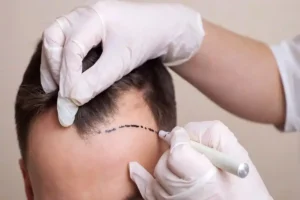
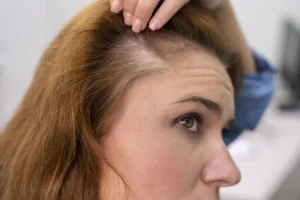
For many patients undergoing chemotherapy, cisplatin hair loss is an unexpected and distressing side effect. This article explains the biological reasons behind this phenomenon, outlines the typical timeline of shedding and regrowth, and offers practical strategies to minimize damage. With roughly 140 monthly searches, the concern is shared worldwide, underscoring the need for clear, compassionate information. By the end of this guide, you’ll know what to expect during treatment, how to protect your scalp, and when it might be time to consider professional hair restoration.
Cisplatin is a platinum‑based drug widely used to treat solid tumors such as lung, ovarian, and head‑and‑neck cancers. While its effectiveness in destroying cancer cells is well documented, it also targets rapidly dividing cells in the hair follicles, leading to the characteristic thinning or complete loss of hair. The severity varies from person to person, influenced by dosage, treatment duration, and individual genetics.
Beyond the physical impact, hair loss can affect self‑esteem and emotional well‑being, especially during an already challenging cancer journey. Recognizing the patterns of cisplatin hair loss empowers patients to plan ahead, seek supportive care, and explore long‑term solutions such as hair transplant procedures offered by specialists like Gold City Hair.
How Cisplatin Causes Hair Loss
Cisplatin interferes with DNA replication, a mechanism essential for both cancer cells and the matrix cells of hair follicles. When these matrix cells are damaged, the growth phase (anagen) of the hair cycle is disrupted, pushing follicles into a resting phase (telogen) that results in shedding.
Cellular Mechanism
- DNA cross‑linking: Cisplatin creates platinum‑DNA adducts that block replication.
- Oxidative stress: Increased free radicals damage follicular cells.
- Inflammatory response: Cytokine release accelerates follicle miniaturization.
Common Side Effects of Cisplatin
| Side Effect | Frequency |
|---|---|
| Nephrotoxicity | High |
| Nausea & vomiting | Very High |
| Peripheral neuropathy | Moderate |
| Hair loss | Variable |

Timeline of Hair Loss and Regrowth During Cisplatin Treatment
Understanding when hair loss begins and when regrowth may start helps patients set realistic expectations and plan coping strategies.
Typical Phases
- Weeks 1‑2: Early telogen entry; minimal visible shedding.
- Weeks 3‑6: Peak shedding; up to 70% of patients notice noticeable thinning.
- Weeks 7‑12: Transition phase; some hair may begin to regrow while shedding continues.
- Post‑treatment (Months 3‑6): Majority of regrowth occurs; full density may take 12‑18 months.
Comparison with Other Chemotherapy Agents
| Agent | Typical Onset of Hair Loss | Regrowth Timeline |
|---|---|---|
| Cisplatin | 3‑4 weeks | 6‑12 months |
| Doxorubicin | 2‑3 weeks | 4‑9 months |
| Paclitaxel | 1‑2 weeks | 5‑10 months |
Managing and Minimizing Hair Loss While on Cisplatin
While the underlying cause cannot be eliminated, several evidence‑based measures can reduce the severity of cisplatin hair loss and protect scalp health.
Scalp Care Practices
- Gentle cleansing: Use sulfate‑free, pH‑balanced shampoos.
- Cold water rinses: Reduce follicular inflammation.
- Soft brushing: Avoid tugging on fragile strands.
- Scalp massage: Stimulate blood flow with light circular motions.
Medical Interventions
| Intervention | Mechanism | Evidence Level |
|---|---|---|
| Minoxidil 5% | Vasodilation, follicle stimulation | Moderate |
| Scalp cooling caps | Vasoconstriction reduces drug delivery | Low‑to‑moderate (more studied with taxanes) |
| Biotin supplementation | Supports keratin production | Limited |
Consult your oncologist before adding any topical or systemic agents, as interactions with cisplatin can occur.
When Hair Loss Becomes Permanent: Risks and What to Expect
In most cases, hair regrows after cisplatin therapy, but a subset of patients experience permanent thinning or loss. Identifying risk factors early can guide decisions about long‑term restoration.
Risk Factors for Permanent Loss
- High cumulative cisplatin dose (>400 mg/m²).
- Concurrent radiation to the scalp.
- Pre‑existing alopecia or genetic predisposition.
- Severe nutritional deficiencies during treatment.
Recovery Statistics
| Condition | Probability of Full Regrowth |
|---|---|
| Standard cisplatin regimen | ≈85% |
| High‑dose cisplatin + scalp radiation | ≈45% |
| Pre‑existing alopecia | ≈30% |
If permanent loss is confirmed, options such as follicular unit extraction (FUE) or direct‑hair‑implantation (DHI) can provide lasting aesthetic results.
Hair Restoration Options After Cisplatin‑Induced Hair Loss
When natural regrowth is insufficient, professional hair restoration offers a reliable path to regain confidence. Gold City Hair specializes in techniques that deliver natural‑looking density and long‑term durability.
Follicular Unit Extraction (FUE)
- Individual follicles are harvested from a donor area (usually the back of the head).
- Minimally invasive; results appear within 6‑12 months.
- Ideal for patients with stable hair loss and adequate donor density.
Direct‑Hair‑Implantation (DHI)
- Similar to FUE but uses a patented implanter pen for precise placement.
- Reduced handling time of grafts improves survival rates.
- Often preferred for tighter curls or denser coverage.
Eyebrow and Beard Transplants
Beyond scalp restoration, Gold City Hair offers eyebrow and beard transplantation to address facial hair loss that can accompany chemotherapy.
| Procedure | Typical Sessions | Recovery Time |
|---|---|---|
| FUE Scalp | 1‑2 | 7‑10 days |
| DHI Scalp | 1‑2 | 5‑7 days |
| Eyebrow | 1 | 3‑5 days |
| Beard | 1‑2 | 5‑8 days |
Choosing the right method depends on your hair type, loss pattern, and personal goals. A thorough consultation ensures a customized plan.
Why Choose Gold City Hair
Gold City Hair has been delivering personalized hair restoration solutions in Turkey since 2017. Our clinic combines advanced FUE and DHI technologies with a transparent, patient‑first approach. Every treatment plan is tailored to your unique medical history, including any previous chemotherapy such as cisplatin. By choosing us, you benefit from a team of experienced surgeons, state‑of‑the‑art facilities, and a commitment to restoring not only hair but confidence.
Ready to take the next step toward a fuller head of hair? Contact Gold City Hair today to schedule a free, no‑obligation consultation and discover the best restoration plan for your needs.
FAQ
What causes hair loss during cisplatin chemotherapy?
Cisplatin damages the DNA of rapidly dividing matrix cells in hair follicles, pushing them from the growth (anagen) phase into the resting (telogen) phase, which leads to shedding.
When does hair loss typically start and when can regrowth be expected after cisplatin treatment?
Hair loss usually begins 3‑4 weeks after the first cisplatin dose, peaks around weeks 3‑6, and regrowth often starts between weeks 7‑12, with most patients seeing significant regrowth by 6‑12 months post‑treatment.
How can I minimize hair loss while undergoing cisplatin therapy?
Use gentle scalp care—sulfate‑free shampoos, cold water rinses, soft brushing, and scalp massage—plus consider medical options like minoxidil, scalp‑cooling caps, or biotin after consulting your oncologist.
What are the risk factors for permanent hair loss after cisplatin?
High cumulative doses (>400 mg/m²), concurrent scalp radiation, pre‑existing alopecia, and severe nutritional deficiencies increase the chance of permanent thinning or loss.
What hair restoration options are available after cisplatin‑induced hair loss?
Procedures like Follicular Unit Extraction (FUE) and Direct‑Hair‑Implantation (DHI), as well as eyebrow and beard transplants, can restore density once hair loss is confirmed permanent.
Is minoxidil effective for preventing hair loss during cisplatin chemotherapy?
Minoxidil may help stimulate follicles and improve regrowth, but evidence is moderate and it should only be used after oncologist approval.