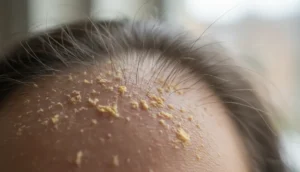
Alopecia diffuse hair loss is a condition where hair thins uniformly across the scalp rather than forming distinct bald spots. This pattern can be unsettling because the overall appearance of the hair becomes less dense, yet the hairline often remains intact. For many, the first sign is an increased amount of hair on the pillow or in the shower, prompting concerns about underlying health issues.
According to dermatological studies, diffuse hair loss accounts for a significant portion of hair‑related complaints, especially among women experiencing hormonal shifts. Recognizing the early signs and understanding the root causes are essential steps toward effective management.
In this article, we will explore what distinguishes diffuse hair loss from other forms of alopecia, examine the most common triggers, detail how specialists diagnose the condition, and review both medical and surgical treatment pathways—including the advanced FUE and DHI hair transplant methods offered by Gold City Hair.
What Is Diffuse Hair Loss and How It Differs from Other Types?
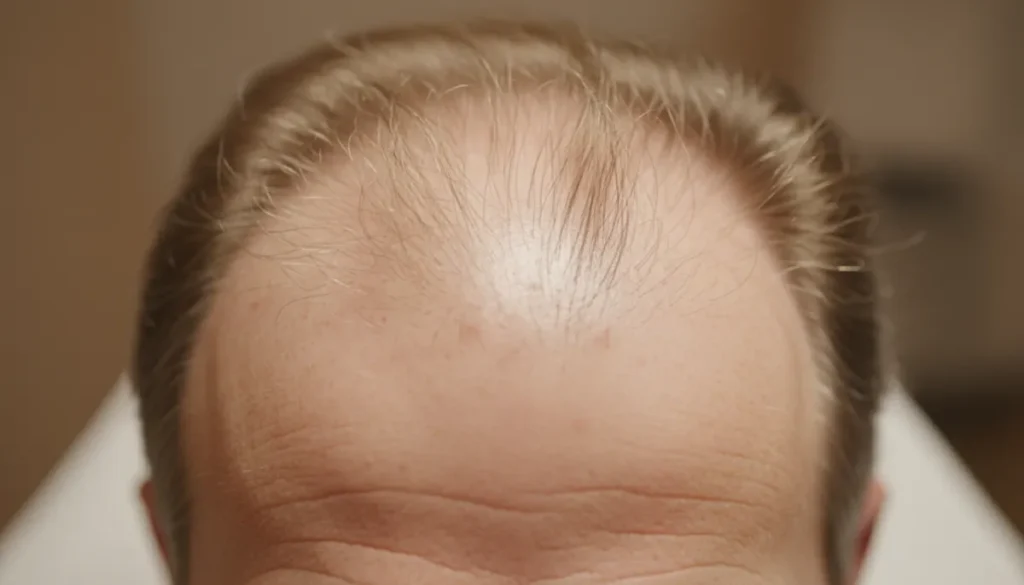
Diffuse hair loss is characterized by a generalized thinning that affects the entire scalp, unlike alopecia areata which produces round, patchy bald spots, or male pattern baldness that typically begins at the temples and crown. While the term “alopecia” broadly refers to hair loss, “diffuse” specifies the uniform distribution of thinning.
Key distinguishing features include:
- Even reduction in hair density without a receding hairline.
- Often accompanied by a feeling of increased shedding.
- May affect both men and women, though hormonal factors make it more prevalent in women.
Understanding these nuances helps clinicians select appropriate diagnostic tests and tailor treatment plans. For instance, androgenetic alopecia typically follows a patterned progression, whereas diffuse loss may signal systemic issues such as thyroid imbalance or nutritional deficiencies.
Common Causes and Risk Factors
Several factors can trigger alopecia diffuse hair loss. Identifying the underlying cause is crucial because treatment effectiveness largely depends on addressing the root issue.
Major contributors include:
- Hormonal changes: Pregnancy, menopause, and thyroid disorders can disrupt the hair growth cycle.
- Nutritional deficiencies: Lack of iron, zinc, or vitamin D often leads to increased shedding.
- Stress and illness: Physical or emotional stress can precipitate telogen effluvium, a temporary form of diffuse loss.
- Medications: Certain drugs, such as anticoagulants, beta‑blockers, and chemotherapy agents, are known to cause hair thinning.
- Autoimmune conditions: While alopecia areata is a distinct autoimmune disorder, other autoimmune diseases can manifest as diffuse thinning.
Other related terms you might encounter during research include “hair fall,” “hair thinning,” and “hair loss causes.” Recognizing these synonyms ensures you gather comprehensive information.
How Doctors Diagnose Diffuse Hair Loss
Accurate diagnosis begins with a thorough medical history and physical examination. Dermatologists often employ a combination of visual assessment and diagnostic tools to pinpoint the cause of diffuse shedding.
Typical diagnostic steps include:
- Scalp examination: Visual inspection for patterns of thinning and signs of inflammation.
- Trichoscopy: Dermatoscopic evaluation of hair shafts and follicles.
- Blood tests: Screening for thyroid function, iron levels, vitamin D, and hormonal panels.
- Pull test: Gentle tug on a small bundle of hair to assess shedding severity.
- Scalp biopsy (rare): In ambiguous cases, a small tissue sample may be examined histologically.
The results guide clinicians in distinguishing diffuse loss caused by telogen effluvium from that resulting from chronic conditions like androgenetic alopecia or autoimmune disorders.
| Diagnostic Tool | Purpose | Typical Findings in Diffuse Loss |
|---|---|---|
| Trichoscopy | Visualize follicle health | Uniform miniaturization, no distinct patches |
| Blood Tests | Identify systemic causes | Low ferritin, abnormal thyroid hormones |
| Pull Test | Quantify active shedding | More than 10 hairs per pull indicates active loss |
Treatment Options: Medical, Cosmetic, and Surgical
Once the cause of alopecia diffuse hair loss is identified, treatment can be tailored accordingly. Options range from topical medications to advanced surgical techniques.
Medical therapies often serve as first‑line interventions:
- Minoxidil (Rogaine): A topical vasodilator that prolongs the growth phase of hair follicles.
- Finasteride (Propecia): An oral 5‑alpha‑reductase inhibitor used primarily in men to reduce DHT levels.
- Iron supplementation: Recommended when ferritin levels are low.
- Platelet‑rich plasma (PRP): Injections that may stimulate follicular activity.
When medical treatment alone does not achieve desired density, hair transplant procedures become viable. Gold City Hair specializes in both Follicular Unit Extraction (FUE) and Direct Hair Implantation (DHI), which are well‑suited for diffuse thinning because they allow precise placement of grafts across the entire scalp, recreating natural density.
Below is a comparison of the most common treatment modalities for diffuse hair loss:
| Treatment | Mechanism | Typical Results | Considerations |
|---|---|---|---|
| Minoxidil | Topical vasodilation | Gradual thickening over 6‑12 months | Requires ongoing use |
| Finasteride | Hormonal DHT inhibition | Stabilizes loss, modest regrowth | Male‑only, potential side effects |
| PRP Therapy | Growth factor stimulation | Variable; best with early‑stage loss | Multiple sessions needed |
| FUE/DHI Transplant | Graft relocation | Immediate density increase, natural look | Costlier, surgical recovery |
Lifestyle Changes and Home Care Strategies
Complementary to medical and surgical interventions, everyday habits can influence the health of your hair follicles.
Effective home‑care practices include:
- Balanced diet: Incorporate lean proteins, omega‑3 fatty acids, and antioxidant‑rich fruits and vegetables.
- Gentle hair handling: Avoid tight hairstyles, excessive heat, and harsh chemical treatments that can exacerbate shedding.
- Stress management: Techniques such as meditation, yoga, or regular exercise help mitigate telogen effluvium.
- Scalp massage: Improves blood circulation and may enhance nutrient delivery to follicles.
While these measures alone may not reverse severe diffuse loss, they support overall scalp health and can improve the outcomes of medical or surgical treatments.
Why Choose Gold City Hair for Your Hair Restoration Journey
Gold City Hair has been delivering personalized hair restoration solutions in Turkey since 2017. Our clinic combines state‑of‑the‑art FUE and DHI techniques with a patient‑focused approach, ensuring transparent communication at every stage. Whether you are addressing diffuse thinning or seeking a full‑scale transplant, our experienced team tailors each plan to your unique needs, prioritizing natural results and lasting confidence.
Ready to restore a fuller, healthier look? Contact Gold City Hair today to schedule a confidential consultation and discover the most effective solution for your diffuse hair loss.
FAQ
What is diffuse hair loss?
Diffuse hair loss is a uniform thinning of hair across the entire scalp rather than distinct bald patches.
What are the most common causes of diffuse hair loss?
Hormonal shifts, nutritional deficiencies, stress, certain medications, and autoimmune conditions are the main triggers.
How is diffuse hair loss diagnosed by doctors?
Through medical history, scalp examination, trichoscopy, blood tests, pull test, and occasionally a scalp biopsy.
What medical and surgical treatments are available for diffuse hair loss?
Topical minoxidil, oral finasteride, iron supplements, PRP therapy, and surgical FUE/DHI hair transplants are common options.
Can lifestyle changes improve diffuse hair loss?
Yes, a balanced diet, gentle hair handling, stress management, and scalp massage support scalp health and complement treatments.