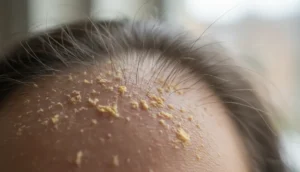
The start of receding hairline often appears subtly, leaving many individuals unsure whether it’s a normal part of aging or the first hint of a more persistent condition. Spotting these early changes can make a decisive difference, allowing you to act before thinning progresses into noticeable baldness. In fact, studies show that men who seek treatment within the first year of noticing a receding hairline achieve up to 30% better long‑term density compared with those who wait longer.
This article walks you through the biology behind hairline recession, the visual cues that signal the beginning stage, and the range of medical and surgical options available today. Whether you’re dealing with male pattern baldness, androgenetic alopecia, or other forms of hair loss, understanding the early signs empowers you to choose the right path toward restoration.
We’ll also share practical lifestyle tips, explain when professional evaluation is essential, and highlight why Gold City Hair stands out as a trusted partner for those ready to reclaim a fuller, healthier hairline.
Understanding Why Hairlines Recede
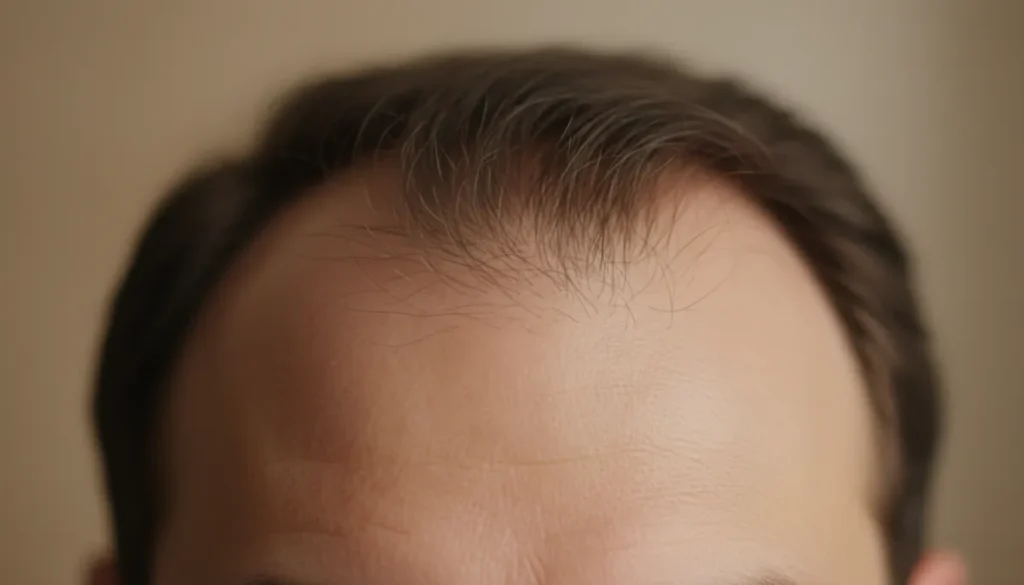
Hairline recession is most commonly linked to androgenetic alopecia, a hereditary condition driven by the hormone dihydrotestosterone (DHT). DHT binds to hair follicles, shortening their growth phase and eventually causing them to shrink—a process known as follicular mini‑miniaturization. While this pattern is often labeled “male pattern baldness,” it can affect women as well, typically presenting as a diffuse thinning along the frontal hairline.
Other contributors include:
- Traction alopecia from tight hairstyles or frequent pulling.
- Stress‑induced telogen effluvium, which can accelerate the start of receding hairline in susceptible individuals.
- Nutritional deficiencies, especially iron, zinc, and vitamin D.
- Underlying medical conditions such as thyroid disorders or autoimmune diseases like alopecia areata.
Below is a quick comparison of how male and female pattern baldness typically manifest at the hairline:
| Feature | Male Pattern | Female Pattern |
|---|---|---|
| Typical Pattern | Receding at temples, forming an “M” shape | Diffuse thinning across the frontal scalp |
| Age of Onset | Late teens to early 30s | Late 20s to 40s |
| Progression Speed | Rapid, especially with high DHT levels | Gradual, often linked to hormonal shifts |
Understanding these underlying mechanisms helps you interpret whether the start of receding hairline you’re seeing is part of a predictable pattern or a signal that additional factors—like stress or nutritional gaps—might be at play.
Visual Indicators: Spotting the Start of a Receding Hairline
Detecting the start of receding hairline doesn’t require a specialist’s equipment—just a keen eye and a systematic self‑check. The most common visual patterns include:
- M‑shaped recession: The temples recede first, creating a noticeable “M” silhouette.
- Widow’s peak shift: The natural V‑shaped point moves higher or widens.
- Thinning band: A subtle, uniform reduction in hair density across the front.
To examine your own scalp:
- Stand in good natural light and pull a small section of hair forward.
- Use a handheld mirror to view the hairline from multiple angles.
- Measure the distance from the forehead to the point where hair density noticeably drops; an increase of 0.5 cm or more over a few months often signals early recession.
Women may notice a “baby‑hair” fringe becoming sparser, while men often see the temples receding symmetrically. If you detect any of these signs, consider documenting the changes with photos taken every 4–6 weeks. This visual record can be invaluable when you later consult a hair restoration specialist.
When to Seek Professional Evaluation
Early intervention is key. If you observe a consistent increase in the distance between your forehead and the densest part of your hairline over a period of three months, it’s time to schedule a professional evaluation. Dermatologists and hair restoration clinics will typically perform:
- A detailed medical history to rule out systemic causes.
- A scalp examination using a dermatoscope to assess follicle health.
- Blood tests to check hormone levels, iron, thyroid function, and vitamin D status.
These assessments help differentiate between androgenetic alopecia, alopecia areata, and other conditions that may mimic a receding hairline. Early diagnosis not only clarifies the root cause but also expands the range of effective treatments—especially non‑surgical options that work best before significant follicular loss occurs.
In many cases, a dermatologist can recommend a personalized regimen that includes topical minoxidil, oral finasteride (for men), or low‑level laser therapy. If the evaluation reveals that the follicles are still viable, surgical restoration such as Follicular Unit Extraction (FUE) remains a highly successful option.
Treatment Options for Early Hairline Recession
Once a professional confirms the cause, you have several pathways to address the start of receding hairline. The choice depends on factors like age, gender, degree of thinning, and personal preference.
Medical Therapies
- Minoxidil (Rogaine): A topical solution that prolongs the growth phase of hair follicles. Effective for both men and women when used consistently for at least 4 months.
- Finasteride (Propecia): An oral DHT blocker approved for male pattern baldness. It can halt or even reverse early recession in many patients.
- Low‑Level Laser Therapy (LLLT): Devices such as laser caps or combs stimulate cellular activity and improve blood flow to the scalp.
Surgical Solutions
When medical treatments alone cannot restore the desired density, hair transplantation offers a permanent fix. Gold City Hair specializes in two leading techniques:
| Technique | Method | Ideal Candidates | Recovery Time |
|---|---|---|---|
| FUE (Follicular Unit Extraction) | Individual follicles are harvested and implanted directly into the thinning area. | Patients with moderate to advanced recession, seeking natural results. | 7–10 days for mild swelling, full activity in 2 weeks. |
| DHI (Direct Hair Implantation) | Follicles are loaded into a pen‑like device for precise placement without prior incisions. | Those who desire higher density in a shorter session. | 5–7 days for mild discomfort, full activity in 10–12 days. |
Both methods can be tailored to address the early stages of recession, ensuring that transplanted hairs blend seamlessly with existing growth. The key is to act while the surrounding follicles remain healthy, maximizing graft survival and overall aesthetic outcome.
Lifestyle and Prevention Strategies
While medical and surgical interventions are powerful, everyday habits play a pivotal role in slowing the progression of a receding hairline.
Nutrition and Supplements
- Consume protein‑rich foods (lean meats, legumes, nuts) to support keratin production.
- Include omega‑3 fatty acids (salmon, flaxseed) for scalp circulation.
- Consider a daily multivitamin with biotin, zinc, and vitamin D if blood tests indicate deficiencies.
Stress Management
Chronic stress elevates cortisol, which can exacerbate telogen effluvium and accelerate hairline recession. Techniques such as mindfulness meditation, regular exercise, and adequate sleep (7–9 hours) help keep stress hormones in check.
Gentle Hair Care
- Avoid tight ponytails, braids, or headbands that create traction.
- Limit the use of harsh chemicals, high‑heat styling tools, and frequent bleaching.
- Choose a mild, sulfate‑free shampoo and condition regularly to maintain scalp health.
Implementing these lifestyle adjustments not only supports any ongoing treatment but also creates a healthier environment for existing follicles, potentially delaying further recession.
Why Choose Gold City Hair
Gold City Hair combines cutting‑edge FUE and DHI technologies with a personalized, transparent patient journey. Since 2017, the clinic has helped thousands restore confidence through meticulous planning, experienced surgeons, and a commitment to natural‑looking results. Our team provides comprehensive pre‑operative assessments, tailored treatment plans, and post‑procedure support—all designed to ensure you achieve the fullest, most natural hairline possible.
Ready to take control of your hairline today? Contact Gold City Hair for a confidential consultation and discover the best strategy to halt the start of receding hairline and restore your confidence.
Book your appointment now and start the journey toward a fuller, healthier look.
FAQ
How can I tell if my hairline is starting to recede?
Look for an M‑shaped recession at the temples, a higher widow’s peak, or a thinning band across the front.
What are the main causes of an early receding hairline?
The primary cause is androgenetic alopecia driven by DHT, but stress, nutrition, traction, and medical conditions also contribute.
When should I see a dermatologist for hairline recession?
If the distance between your forehead and the densest hair line increases by 0.5 cm over three months, schedule a professional evaluation.
What non‑surgical treatments work best for early hairline loss?
Topical minoxidil, oral finasteride (for men), and low‑level laser therapy are the most evidence‑based options.
How effective are FUE and DHI transplants for early recession?
Both FUE and DHI can restore density when performed early, with graft survival rates above 90% if surrounding follicles are still healthy.
Can lifestyle changes slow down a receding hairline?
Yes, proper nutrition, stress management, and gentle hair care can significantly slow progression.