Female hair loss frontal hairline is a common concern that affects many women seeking a fuller, more youthful appearance. Understanding why the hairline recedes and what can be done about it is essential for anyone considering restoration. In this article, we will examine the underlying causes, diagnostic methods, non‑surgical and surgical treatment options, and the after‑care needed to maintain results. Recent studies show that up to 40 % of women experience noticeable thinning at the front of the scalp by age 35, making early intervention crucial.
We’ll start by exploring the physiological and lifestyle factors that contribute to frontal hairline thinning, then move on to how specialists pinpoint the exact type of alopecia. You’ll learn about proven therapies ranging from topical solutions to advanced hair transplant techniques performed at Gold City Hair. By the end, you’ll have a clear roadmap for restoring confidence through a healthier hairline.
Whether you are just noticing the first signs or have been dealing with progressive thinning for years, this guide provides the information you need to make informed decisions about treatment and long‑term maintenance.
Understanding Frontal Hairline Thinning in Women
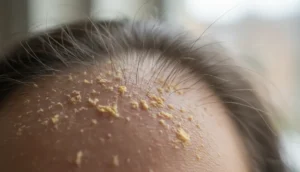
The first step in addressing female hair loss frontal hairline is recognizing the patterns and triggers that differentiate it from other forms of hair loss. While some women experience diffuse thinning across the scalp, frontal recession often follows distinct pathways.
Common Causes
- Hormonal changes, especially during menopause or postpartum periods.
- Genetic predisposition to androgenetic alopecia.
- Traction alopecia from tight hairstyles.
- Autoimmune conditions such as frontal fibrosing alopecia.
- Stress‑related telogen effluvium.
Types of Alopecia Affecting the Front Hairline
| Type | Typical Pattern | Key Indicators |
|---|---|---|
| Androgenetic Alopecia | Gradual recession of the frontal hairline | Family history, miniaturized hairs |
| Frontal Fibrosing Alopecia | Sharp, band‑like hair loss at the front | Redness, scarring, loss of eyebrows |
| Traction Alopecia | Localized thinning where hair is pulled | History of tight braids or extensions |
Identifying the exact cause guides the selection of the most effective treatment plan, whether medical, lifestyle‑based, or surgical.
Diagnosis: How Professionals Identify the Issue
Accurate diagnosis is essential for tailoring a treatment strategy for female hair loss frontal hairline. Specialists combine visual assessment with specialized tools to differentiate between temporary shedding and permanent follicular loss.
Diagnostic Steps
- Medical history review – hormones, medications, stress factors.
- Physical scalp examination – using a dermatoscope to view follicle health.
- Pull test – gently tugging a small section of hair to gauge shedding rate.
- Blood work – checking thyroid, iron, and hormone levels.
- Scalp biopsy (if needed) – to confirm autoimmune or scarring alopecia.
Comparison of Diagnostic Tools
| Tool | Purpose | Advantages | Limitations |
|---|---|---|---|
| Dermatoscope | Visualize follicle miniaturization | Non‑invasive, immediate | Requires trained clinician |
| Trichoscopy | Map density and pattern | High‑resolution images | May miss early inflammation |
| Blood Tests | Identify systemic causes | Detects hormonal or nutritional issues | Does not assess follicle condition directly |
These assessments help clinicians decide whether to pursue medical therapy, lifestyle changes, or surgical restoration.
Non‑Surgical Treatment Options
Before considering surgery, many women explore non‑surgical avenues that can halt or reverse female hair loss frontal hairline progression. These treatments often serve as first‑line interventions or adjuncts to surgical procedures.
Topical and Oral Therapies
- Minoxidil 5% solution – FDA‑approved for women, stimulates follicle activity.
- Finasteride (low dose) – off‑label use to block DHT conversion.
- Platelet‑rich plasma (PRP) injections – promotes healing and growth.
- Low‑level laser therapy (LLLT) caps – improves cellular metabolism.
- Nutritional supplements – biotin, iron, zinc, and vitamin D.
Pros and Cons of Non‑Surgical Methods
| Method | Effectiveness | Duration | Side Effects |
|---|---|---|---|
| Minoxidil | Moderate | 4–6 months to see results | Scalp irritation, unwanted facial hair |
| Finasteride | High (when tolerated) | 3–6 months | Potential hormonal effects, rare mood changes |
| PRP | Variable | 3‑month intervals, 3‑6 sessions | Mild swelling, bruising |
| LLLT | Low‑to‑moderate | Continuous use | None reported |
While many patients achieve satisfactory improvement, results can be limited when follicle loss is advanced, prompting consideration of surgical restoration.
Surgical Solutions: FUE and DHI for Frontal Hairline Restoration
When non‑surgical methods are insufficient, hair transplantation offers a permanent solution for female hair loss frontal hairline. Gold City Hair specializes in Follicular Unit Extraction (FUE) and Direct Hair Implantation (DHI), both of which provide natural‑looking density with minimal scarring.
Procedure Overview
- Consultation and personalized design – mapping the desired hairline.
- Donor area selection – typically the back or sides of the scalp.
- Extraction – individual follicular units are removed using a 0.9 mm punch (FUE) or DHI’s Choi pen.
- Preparation – follicles are preserved in a specialized solution.
- Implantation – grafts are placed at precise angles to mimic natural growth.
- Recovery – minimal downtime, with most patients returning to daily activities within a week.
FUE vs. DHI Comparison
| Aspect | FUE | DHI |
|---|---|---|
| Extraction Method | Punch tool, individual grafts | Same extraction, but grafts loaded directly into pen |
| Implantation Speed | Requires separate incision and placement | Implantation occurs instantly after loading |
| Scarring | Microscopic puncture scars | Similar, often less visible due to fewer handling steps |
| Ideal Candidates | Moderate to extensive hair loss | Precise frontal hairline reconstruction |
Both techniques deliver high graft survival rates, but DHI is particularly favored for creating a soft, natural‑looking frontal hairline in women.
Post‑Procedure Care and Long‑Term Maintenance
Successful restoration of the female hair loss frontal hairline depends not only on the surgery itself but also on diligent after‑care and lifestyle choices that support graft survival and new growth.
Immediate Post‑Op Guidelines
- Avoid touching or scratching the graft area for the first 10 days.
- Sleep with the head elevated to reduce swelling.
- Use prescribed gentle shampoos after 48 hours.
- Refrain from intense exercise, sauna, or direct sunlight for two weeks.
Long‑Term Maintenance Plan
| Time Frame | Focus | Recommended Actions |
|---|---|---|
| Weeks 1‑2 | Healing | Follow medication regimen, keep scalp clean |
| Months 1‑3 | Early growth | Gentle brushing, avoid harsh chemicals |
| Months 4‑6 | Density development | Consider PRP boost, maintain nutrition |
| 6+ months | Full results | Regular follow‑ups, continue minoxidil if needed |
Adhering to these protocols maximizes graft survival and helps you achieve a natural, lasting frontal hairline.
Why Choose Gold City Hair
Gold City Hair has been delivering personalized hair restoration solutions in Turkey since 2017. Our clinic combines the latest FUE and DHI technologies with a patient‑first approach, ensuring transparent communication at every stage. With a team of experienced surgeons and a commitment to safety, we provide tailored treatment plans that address the unique needs of women experiencing frontal hairline thinning. Trust Gold City Hair for a confident, natural‑looking result.
Ready to restore your frontal hairline and regain confidence? Contact Gold City Hair today to schedule a personalized consultation and discover the best treatment path for you.
Take the first step toward a fuller, youthful appearance—your journey begins now.
FAQ
What causes frontal hairline thinning in women?
Hormonal changes, genetics, traction from hairstyles, autoimmune conditions, and stress can all lead to frontal hairline thinning.
How is female frontal hair loss diagnosed?
Diagnosis combines medical history, scalp examination, dermatoscopy, pull test, blood work, and sometimes a biopsy.
What non‑surgical options are effective for frontal hairline loss?
Topical minoxidil, low‑dose finasteride, PRP injections, low‑level laser therapy, and nutritional supplements are common non‑surgical treatments.
What are the differences between FUE and DHI hair transplantation for women?
Both use follicular unit extraction, but DHI loads grafts directly into a pen for faster implantation and often yields a softer frontal hairline.
How should patients care for their hair after a frontal hairline transplant?
Avoid touching grafts for 10 days, keep the head elevated, use gentle shampoos after 48 hours, and limit exercise and sun exposure for two weeks.
When is surgical restoration recommended for female frontal hair loss?
Surgery is advised when non‑surgical methods fail to produce sufficient regrowth or when follicular loss is advanced.