When it comes to female hair restoration, many women seek solutions that restore confidence without compromising safety. This guide covers the full spectrum of options—from lifestyle adjustments and hair growth products to advanced surgical techniques like FUE and DHI—so you can make an informed decision tailored to your unique needs.
Hair loss affects up to 40 % of women by age 50, yet the conversation often remains silent. Understanding the root causes, available treatments, and realistic expectations is the first step toward regaining a fuller, healthier head of hair.
In the sections that follow, we will examine the science behind female hair loss, compare non‑surgical and surgical approaches, outline post‑procedure care, and highlight lifestyle factors that support long‑term results. Whether you are exploring over‑the‑counter hair growth products or considering a transplant in Turkey, this article provides the knowledge you need to move forward with confidence.
Understanding Female Hair Loss: Causes and Types
Female hair loss is not a single condition; it encompasses several patterns and underlying factors. The most common form, female pattern baldness (also known as androgenetic alopecia), typically presents as diffuse thinning over the crown while the frontal hairline remains intact. Hormonal shifts, especially during menopause, can accelerate this process.
Other contributors include:
- Thyroid disorders
- Iron deficiency and other nutritional gaps
- Stress‑induced telogen effluvium
- Autoimmune conditions such as alopecia areata
- Scalp infections or dermatological issues
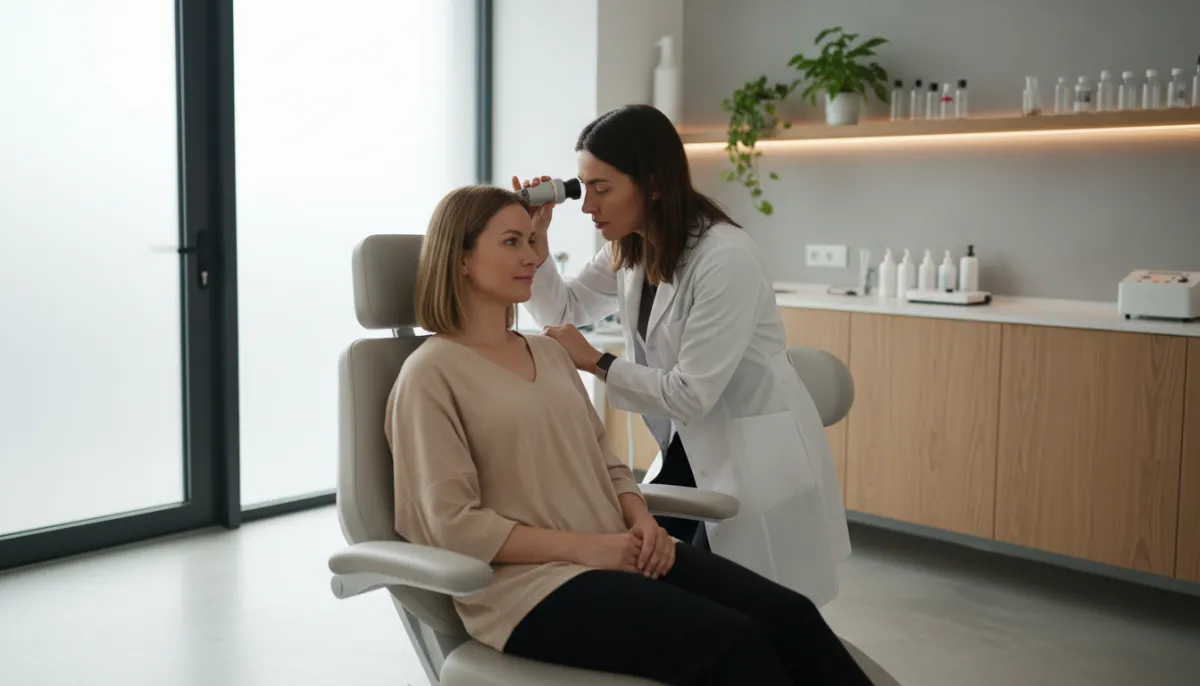
Identifying the specific cause is essential because it determines the most effective hair loss treatment for women. A thorough medical evaluation—including blood work, scalp analysis, and a review of medication history—helps clinicians differentiate between temporary shedding and permanent follicular loss.
Below is a quick reference table that matches common causes with typical signs and recommended first‑line interventions.
| Cause | Typical Signs | First‑Line Intervention |
|---|---|---|
| Androgenetic alopecia | Gradual thinning over crown, widening part | Topical minoxidil, low‑dose oral therapies |
| Telogen effluvium | Sudden shedding 2–3 months after stress | Stress management, nutritional support |
| Thyroid imbalance | Diffuse thinning, brittle hair | Endocrine treatment, hormone regulation |
| Alopecia areata | Patchy bald spots | Corticosteroid injections, immunotherapy |
Non‑Surgical Treatments and Hair Growth Products
For many women, the first line of defense against thinning hair involves non‑surgical options. These approaches aim to stimulate natural hair growth, improve scalp health, and slow further loss.
Key categories include:
- Topical solutions: Minoxidil 2 % or 5 % formulations are FDA‑approved for women and work by extending the anagen (growth) phase of hair follicles.
- Oral supplements: Biotin, zinc, iron, and specialized hair‑growth vitamins can address nutritional deficiencies that contribute to shedding.
- Low‑level laser therapy (LLLT): Handheld or helmet‑style devices emit red light that may increase cellular metabolism in the scalp.
- Platelet‑rich plasma (PRP): Autologous blood injections deliver growth factors directly to the follicular units, encouraging regeneration.
When selecting hair growth products, look for clinically validated ingredients and avoid products that promise overnight miracles. Combining a topical minoxidil regimen with a balanced diet rich in omega‑3 fatty acids and antioxidants often yields the best results.
Below is a concise checklist to help you evaluate any hair‑growth product:
- Is the active ingredient clinically proven (e.g., minoxidil, caffeine, peptides)?
- Does the brand provide transparent ingredient sourcing?
- Are there peer‑reviewed studies supporting efficacy?
- Is the product free from harsh chemicals that could irritate the scalp?
While non‑surgical methods can be highly effective, they typically require consistent use for 6–12 months before noticeable improvement. Patience and adherence are essential components of any hair loss treatment for women.
Surgical Options: FUE and DHI for Women
When non‑surgical treatments are insufficient, many women turn to surgical hair transplant techniques. The two most popular methods—Follicular Unit Extraction (FUE) and Direct Hair Implantation (DHI)—offer high graft survival rates and natural‑looking results.
FUE involves harvesting individual follicular units from a donor area (typically the back of the scalp) and implanting them into thinning zones. The procedure leaves tiny, dot‑like scars that are virtually invisible after healing.
DHI builds on FUE by using a specialized implanter pen that places grafts directly without creating pre‑made channels. This can reduce handling time, improve graft viability, and allow for higher density placement—particularly valuable for women seeking coverage of the crown and frontal hairline.
Key considerations for female candidates include:
- Donor hair quality: Women often have finer hair, so surgeons must assess follicle thickness.
- Scalp laxity: A tighter scalp may limit the number of grafts that can be harvested safely.
- Realistic expectations: Achieving a dense look may require multiple sessions.
In Turkey, clinics like Gold City Hair combine state‑of‑the‑art facilities with experienced surgeons who understand the nuances of female hair patterns. Patients benefit from comprehensive pre‑operative assessments, personalized graft design, and post‑operative support that aligns with international standards.
Post‑Procedure Care and Long‑Term Maintenance
Successful female hair restoration extends far beyond the operating room. Proper after‑care maximizes graft survival and accelerates natural hair growth.
Immediate post‑operative guidelines typically include:
- Avoiding direct sunlight and harsh winds for the first two weeks.
- Gentle washing with a prescribed mild shampoo after 48 hours.
- Keeping the scalp elevated while sleeping to reduce swelling.
- Refraining from intense exercise or heavy lifting for 7–10 days.
Long‑term maintenance focuses on nurturing the transplanted follicles and protecting existing hair:
- Continue low‑dose minoxidil or prescribed topical agents as advised.
- Incorporate a balanced diet rich in protein, iron, and vitamins A, C, and E.
- Schedule regular follow‑up visits to monitor growth and address any concerns.
- Consider periodic PRP sessions to boost vascular supply to the scalp.
Patients who adhere to these protocols often report visible regrowth within 3–4 months, with full maturation of the grafts by the 12‑month mark. Consistency is the cornerstone of lasting results.
Lifestyle Factors and Supporting Hair Health
Beyond medical interventions, everyday habits play a pivotal role in sustaining hair density. Women can adopt several evidence‑based practices to complement their restoration journey.
Key lifestyle tips include:
- Stress management: Chronic cortisol elevation can trigger telogen effluvium. Techniques such as meditation, yoga, or regular aerobic exercise help mitigate this risk.
- Hair‑friendly styling: Avoid tight ponytails, braids, or heat‑based tools that cause mechanical traction and breakage.
- Scalp hygiene: Regular, gentle cleansing prevents follicular clogging and fungal overgrowth.
- Supplements: For women with documented deficiencies, targeted supplements (e.g., iron, vitamin D) can restore the biochemical environment needed for hair growth.
Integrating these habits with professional treatments creates a holistic approach that not only addresses existing thinning but also fortifies future hair health.
Why Choose Gold City Hair
Gold City Hair combines cutting‑edge FUE and DHI technologies with a patient‑first philosophy. Since 2017, the clinic has delivered personalized hair restoration plans for women, ensuring transparent communication at every step. Our experienced surgeons understand the distinct aesthetic goals of female patients, and our Istanbul‑based facility adheres to international safety standards. By choosing Gold City Hair, you gain access to a comprehensive care pathway—from detailed diagnostic evaluation to post‑procedure support—designed to restore not only hair but confidence.
Ready to start your journey toward fuller, healthier hair? Contact Gold City Hair today to schedule a personalized consultation and discover the best plan for your unique needs.
FAQ
What are the most common causes of female hair loss?
The main causes include androgenetic alopecia, telogen effluvium, thyroid disorders, iron deficiency, and alopecia areata.
How effective are topical minoxidil treatments for women?
Minoxidil 2% or 5% is FDA‑approved for women and can stimulate regrowth in many cases when used consistently for 6–12 months.
What is the difference between FUE and DHI hair transplant techniques?
FUE extracts individual follicles and creates recipient sites before implantation, while DHI uses a pen to place grafts directly without pre‑made channels, offering higher graft survival.
What post‑procedure care is essential after a female hair transplant?
Avoid sun and wind for two weeks, wash gently after 48 hours, keep the scalp elevated while sleeping, and refrain from intense exercise for 7‑10 days.
Can lifestyle changes improve hair health for women?
Yes, managing stress, avoiding tight hairstyles, maintaining scalp hygiene, and correcting nutritional deficiencies all support healthier hair.
Why should I consider Gold City Hair for my transplant?
Gold City Hair offers experienced surgeons, state‑of‑the‑art FUE/DHI technology, personalized graft design, and comprehensive pre‑ and post‑operative care.