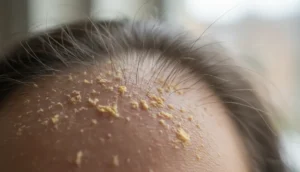
Front hair loss in women is a growing concern that affects confidence and overall well‑being. This type of hair thinning, often visible at the hairline, can be caused by a range of medical and lifestyle factors. In this article we will explore the underlying reasons, how to spot the problem early, and the most effective treatment pathways—including modern hair transplant techniques offered by Gold City Hair.
According to recent dermatology surveys, nearly 30% of women report noticeable thinning at the front of the scalp by the age of 40. The emotional impact can be significant, making early detection and appropriate care essential.
We’ll walk you through the science behind frontal hair loss, the diagnostic tools you can expect from a specialist, and a comprehensive overview of medical, non‑surgical, and surgical solutions. Whether you are just beginning to notice a receding hairline or seeking a permanent restoration, the information below will help you make an informed decision.
What Causes Front Hair Loss in Women?
Frontal hair loss in women is rarely due to a single factor. Instead, it usually results from a combination of genetic, hormonal, and environmental influences. Understanding these causes is the first step toward effective treatment.
Key contributors include:
- Androgenetic alopecia – the female pattern of hereditary hair loss.
- Frontal fibrosing alopecia – an inflammatory condition that specifically attacks the front hairline.
- Traction alopecia – damage from tight hairstyles such as ponytails, braids, or extensions.
- Hormonal changes – menopause, thyroid disorders, and polycystic ovary syndrome (PCOS) can all trigger thinning.
- Stress and nutritional deficiencies – chronic stress and lack of essential nutrients like iron and biotin.
Below is a comparison of the most common causes and their typical characteristics:
| Cause | Typical Pattern | Onset Age | Additional Signs |
|---|---|---|---|
| Androgenetic alopecia | Diffuse thinning at front and crown | 30‑45 years | Family history, gradual progression |
| Frontal fibrosing alopecia | Sharp recession of hairline | 40‑60 years | Redness, scaling, eyebrow loss |
| Traction alopecia | Localized thinning where hair is pulled | Any age | Pain, broken hairs |
| Hormonal changes | Generalized thinning, often front‑dominant | Puberty, pregnancy, menopause | Weight changes, menstrual irregularities |

How to Diagnose the Condition Early
Early diagnosis of front hair loss in women enables timely intervention, which can improve outcomes significantly. Dermatologists use a combination of visual examination and specialized tools to pinpoint the exact cause.
Typical diagnostic steps include:
- Medical history review – assessing family patterns, hormonal issues, and lifestyle factors.
- Physical scalp examination – looking for patterns of thinning, redness, or scarring.
- Trichoscopy – a dermatoscopic examination that reveals hair follicle health.
- Blood tests – checking hormone levels, iron, thyroid function, and autoimmune markers.
- Scalp biopsy – performed when inflammatory conditions like frontal fibrosing alopecia are suspected.
The following table outlines common diagnostic tools and what they reveal:
| Tool | What It Shows | Typical Use |
|---|---|---|
| Trichoscopy | Miniaturized hairs, follicular openings | Identify androgenetic patterns |
| Blood Panel | Hormone, iron, thyroid levels | Detect systemic causes |
| Scalp Biopsy | Inflammatory infiltrates, scarring | Confirm frontal fibrosing alopecia |
| Phototrichogram | Hair growth rate, density | Monitor treatment progress |
Consulting a qualified dermatologist or a hair restoration specialist ensures that the appropriate tests are ordered and interpreted correctly.
Effective Treatment Options for Frontal Hair Loss
Once the underlying cause of front hair loss in women is identified, a range of treatment options can be considered. These span from topical medications to advanced surgical procedures.
Medical therapies often serve as first‑line treatments:
- Minoxidil – a topical solution that stimulates hair follicles and is FDA‑approved for female pattern hair loss.
- Anti‑androgen medications – such as spironolactone, useful for hormone‑related thinning.
- Low‑level laser therapy (LLLT) – non‑invasive light treatment that improves cellular activity.
- Platelet‑rich plasma (PRP) – autologous injections that deliver growth factors to the scalp.
When medical therapy is insufficient, surgical options become viable. Follicular Unit Extraction (FUE) and Direct Hair Implantation (DHI) are the most popular techniques for restoring the frontal hairline, offering natural‑looking results with minimal scarring.
Comparison of major treatment modalities:
| Treatment | Effectiveness | Typical Duration | Key Advantages |
|---|---|---|---|
| Minoxidil (topical) | Moderate | 3‑6 months for visible results | Easy to use, over‑the‑counter |
| Spironolactone (oral) | Moderate‑High | 6‑12 months | Targets hormonal causes |
| PRP Therapy | High | 3‑4 sessions, 1‑2 months apart | Natural, minimal downtime |
| FUE Hair Transplant | Very High | 1‑2 days surgery, 9‑12 months for full growth | Permanent, natural‑looking hairline |
| DHI Hair Transplant | Very High | 1‑2 days surgery, 8‑10 months for full growth | Higher graft survival, precise placement |
Choosing the right approach depends on the severity of the loss, underlying cause, and personal preferences. A thorough consultation with a hair restoration expert can tailor a plan that maximizes results.
Lifestyle Changes and Home Care to Support Hair Growth
While medical and surgical treatments address the physiological aspects of front hair loss in women, everyday habits play a crucial supportive role. Simple adjustments can enhance the effectiveness of professional therapies.
Consider incorporating the following lifestyle practices:
- Balanced nutrition – prioritize protein, iron, zinc, and vitamins A, C, D, and E.
- Stress management – techniques such as meditation, yoga, or regular exercise reduce cortisol levels that can exacerbate hair shedding.
- Gentle hair care – avoid harsh chemicals, heat styling, and tight hairstyles that create tension on the frontal hairline.
- Scalp massage – stimulates blood flow, promoting follicle health.
- Regular sleep patterns – adequate rest supports overall cellular regeneration.
Below is a quick reference guide for daily hair‑friendly habits:
| Habit | Why It Helps | Implementation Tips |
|---|---|---|
| Eat iron‑rich foods | Prevents iron‑deficiency alopecia | Include spinach, lentils, red meat 3‑4 times weekly |
| Limit heat styling | Reduces follicle damage | Use cool settings, air‑dry when possible |
| Massage scalp 5 mins | Boosts circulation | Use fingertips or a soft brush before shower |
| Manage stress | Lowers cortisol‑induced shedding | Practice deep breathing for 10 minutes daily |
Integrating these habits with prescribed treatments can accelerate recovery and help maintain the newly restored hairline over the long term.
When to Consider a Hair Transplant in Turkey
For many women experiencing persistent front hair loss, a hair transplant offers a permanent and natural solution. Turkey has become a leading destination for high‑quality, cost‑effective hair restoration, and Gold City Hair stands out for its expertise and patient‑focused approach.
Key reasons to choose a Turkish clinic like Gold City Hair include:
- World‑class surgeons trained in the latest FUE and DHI techniques.
- State‑of‑the‑art facilities adhering to international safety standards.
- All‑inclusive packages that cover accommodation, transportation, and post‑operative care.
- High graft survival rates thanks to meticulous handling and advanced implantation tools.
Below is a side‑by‑side comparison of the two most popular transplant methods offered at Gold City Hair:
| Technique | Procedure Details | Graft Survival Rate | Recovery Time |
|---|---|---|---|
| FUE (Follicular Unit Extraction) | Individual follicles harvested with a micro‑punch, implanted manually. | ~90‑95% | 7‑10 days for normal activities |
| DHI (Direct Hair Implantation) | Follicles loaded into a proprietary implanter pen for precise placement. | ~95‑98% | 5‑7 days for normal activities |
If you have tried topical treatments without satisfactory results, or if the recession is pronounced, consulting with Gold City Hair’s specialists can determine whether a transplant is the optimal next step. Their personalized assessment ensures the chosen method aligns with your hair type, scalp condition, and aesthetic goals.
Why Choose Gold City Hair
Gold City Hair combines years of experience with the latest FUE and DHI technologies to deliver reliable, natural‑looking results for women dealing with front hair loss. Since 2017, the clinic has maintained a focus on personalized care, transparent communication, and ethical practices, ensuring each patient feels confident throughout their journey.
Choosing Gold City Hair means accessing a dedicated team of certified surgeons, state‑of‑the‑art facilities in Turkey, and comprehensive after‑care support—all designed to restore not only hair but also self‑esteem.
Ready to regain a confident, natural hairline? Contact Gold City Hair today to schedule a personalized consultation and explore the best treatment plan for your front hair loss.
Take the first step toward lasting results—your transformation begins now.
FAQ
What are the main causes of front hair loss in women?
Front hair loss in women is usually caused by a mix of genetics, hormonal changes, inflammatory conditions, traction from hairstyles, stress, and nutritional deficiencies.
How can I diagnose front hair loss early?
Early diagnosis involves a medical history review, scalp examination, trichoscopy, blood tests, and sometimes a scalp biopsy.
What medical treatments are effective for frontal hair loss?
Effective medical options include topical minoxidil, anti‑androgen drugs like spironolactone, low‑level laser therapy, and platelet‑rich plasma injections.
How do FUE and DHI hair transplants differ for women?
Both are follicular extraction methods, but DHI offers higher graft survival and more precise placement, while FUE is slightly more established and widely available.
What lifestyle changes can support hair regrowth?
A balanced diet rich in iron, protein, and vitamins, stress management, gentle hair care, scalp massage, and adequate sleep all help support hair growth.
Why choose Turkey for a hair transplant?
Turkey offers world‑class surgeons, modern facilities, and all‑inclusive packages at a lower cost, making it a popular destination for hair restoration.