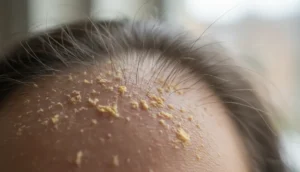
The hair follicle meaning goes far beyond a simple definition; it is the foundation of every strand of hair on our heads. Knowing what a hair follicle is and how it works helps you comprehend why hair loss occurs and what can be done to restore a fuller, healthier look. In fact, each human scalp contains roughly 100,000 follicles, each acting as a tiny organ that produces a single hair shaft. This article explores the structure, growth cycle, influencing factors, common myths, and signs that indicate professional evaluation may be needed.
We will break down complex concepts into clear sections so you can grasp the science behind hair growth and make informed decisions about treatments such as FUE or DHI transplants. Whether you are noticing thinning hair, experiencing patchy loss, or simply curious about how your scalp functions, understanding the hair follicle meaning is the first step toward effective solutions.
Let’s dive into the anatomy of the follicle, examine the stages of the hair growth cycle, discuss what keeps follicles healthy, debunk prevalent misconceptions, and learn when to consult a hair restoration specialist.
What Is a Hair Follicle? Anatomy and Key Parts
A hair follicle is a dynamic mini‑organ embedded in the dermis, responsible for generating the hair shaft from the root upward. The hair follicle consists of several distinct components, each playing a vital role in hair production and maintenance.
- Hair Bulb: The swollen base where cells actively divide, nourished by the dermal papilla.
- Dermal Papilla: A cluster of specialized fibroblasts that supply blood and growth factors to the bulb.
- Hair Root: The portion of the hair below the skin surface, anchored within the follicle.
- Hair Shaft: The visible part of the hair made of keratin, extending from the follicle to the exterior.
- Arrector Pili Muscle: A tiny muscle that contracts to cause “goosebumps” and can influence follicle positioning.
The diagram below illustrates these structures and their relationships:
| Component | Function |
|---|---|
| Hair Bulb | Cell proliferation and keratin production |
| Dermal Papilla | Delivers nutrients and signals for growth |
| Hair Root | Anchors the hair within the skin |
| Hair Shaft | Visible strand composed of dead keratinized cells |
| Arrector Pili Muscle | Causes follicle erection and skin texture changes |
Understanding each part clarifies why damage to the dermal papilla or disruption of the bulb can halt growth, leading to thinning or baldness. The hair follicle meaning therefore encompasses both its structural complexity and its regenerative capacity.
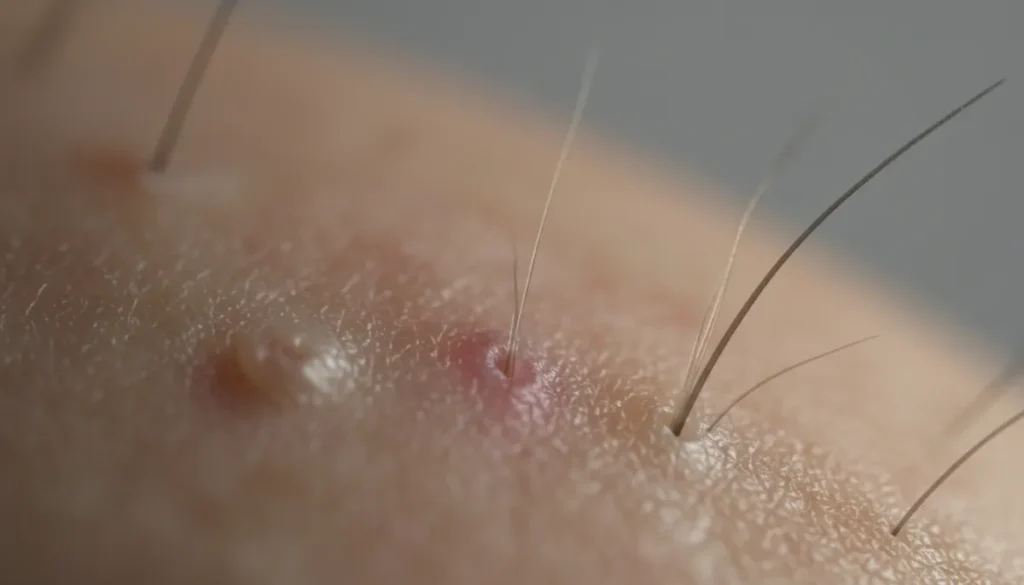
How Hair Follicles Grow: The Hair Growth Cycle
The hair growth cycle is a continuous process that determines the length, thickness, and health of each strand. It comprises three main phases—anagen, catagen, and telogen—each with distinct biological activities.
Anagen (Growth Phase)
During the anagen phase, the follicle’s cells rapidly divide in the hair bulb, pushing the hair shaft upward. This phase can last from 2 to 7 years, depending on genetics and scalp region, and dictates the maximum length a hair can achieve. The longer the anagen period, the longer the hair.
Catagen (Transition Phase)
Following anagen, the follicle enters catagen, a short 2‑3 week period where cell division stops, the lower part of the follicle regresses, and the dermal papilla detaches from the bulb. This involution prepares the follicle for rest.
Telogen (Resting Phase)
In telogen, the follicle rests for about 3 months. The hair shaft remains in place but is no longer attached to the bulb. At the end of telogen, the follicle re‑enters anagen, shedding the old shaft and beginning a new growth cycle.
Below is a concise comparison of the three phases:
| Phase | Duration | Key Activity |
|---|---|---|
| Anagen | 2–7 years | Cell proliferation, hair shaft elongation |
| Catagen | 2–3 weeks | Follicle regression, papilla detachment |
| Telogen | ≈3 months | Rest, eventual shedding |
Understanding the hair follicle meaning within the context of this cycle helps explain why certain treatments aim to prolong the anagen phase or reactivate dormant follicles.
Factors That Influence Hair Follicle Health
Several internal and external factors determine whether a follicle remains robust or begins to deteriorate. Recognizing these influences can guide lifestyle choices and therapeutic options.
Genetics
Genetic predisposition dictates the density of follicles, the length of the anagen phase, and susceptibility to androgen‑mediated miniaturization. Family history is a strong predictor of pattern hair loss.
Hormonal Balance
Hormones such as dihydrotestosterone (DHT) can bind to receptors in the follicle’s dermal papilla, shortening the anagen phase and causing miniaturization. Conversely, thyroid hormones and estrogen play supportive roles in follicle vitality.
Nutritional Status
Essential nutrients—protein, iron, zinc, biotin, and omega‑3 fatty acids—are crucial for keratin synthesis and blood flow to the papilla. Deficiencies often manifest as increased shedding.
Scalp Environment
Chronic inflammation, seborrheic dermatitis, or excessive sebum can impair follicle function. Maintaining a clean, balanced scalp reduces the risk of follicular obstruction.
Lifestyle Factors
Stress, smoking, and lack of sleep elevate cortisol levels, which can push follicles prematurely into telogen. Regular exercise improves circulation, delivering more oxygen and nutrients to the dermal papilla.
Key factors summarized:
- Genetic makeup
- Hormonal levels (DHT, thyroid, estrogen)
- Dietary nutrients (protein, iron, zinc)
- Scalp health (inflammation, oil balance)
- Lifestyle (stress, sleep, smoking)
Addressing these variables can improve the overall hair follicle meaning by fostering a conducive environment for growth.
Common Misconceptions About Hair Follicles
Misunderstandings about hair follicles can lead to ineffective remedies or unnecessary worry. Below we clarify several prevalent myths.
Myth 1: “Hair Is Made of Blood”
Hair shafts are composed of dead keratinized cells, not blood. The living part of the follicle is the bulb and papilla, which receive blood supply.
Myth 2: “Pulling a Hair Removes the Follicle”
When a hair is gently pulled, only the shaft exits the follicle; the root and bulb remain intact. Repeated trauma can damage the papilla, however, leading to follicle weakening.
Myth 3: “All Hair Grows at the Same Rate”
Growth rates vary by scalp region, age, and genetics. For example, hair on the sides often grows slower than on the crown.
Myth 4: “Shaving Makes Hair Grow Thicker”
Shaving cuts the shaft at the surface and does not affect the follicle’s size or growth cycle. Perceived thickness is due to blunt cut ends.
Understanding the true hair follicle meaning dispels these myths and encourages evidence‑based approaches to hair health.
Assessing Your Hair Follicles: When to Seek Professional Help
Identifying early signs of follicular distress can prompt timely intervention. Consider consulting a hair restoration specialist if you notice any of the following:
- Excessive daily shedding (more than 100 hairs)
- Visible thinning in specific zones (frontal, crown, temples)
- Persistent scalp itching, redness, or inflammation
- Sudden change in hair texture or color
- Family history of early‑onset baldness
A professional evaluation typically includes a scalp examination, possibly a trichoscopy, and discussion of medical history. Advanced diagnostics can assess the density of active follicles, the proportion in anagen versus telogen, and any underlying dermatological conditions.
Early detection enables options such as medical therapy (e.g., finasteride, minoxidil), platelet‑rich plasma (PRP) sessions, or surgical restoration like FUE and DHI transplants. Understanding the hair follicle meaning empowers you to choose the most appropriate treatment pathway.
Why Choose Gold City Hair for Your Hair Restoration Journey
Gold City Hair combines cutting‑edge FUE and DHI techniques with a personalized approach that prioritizes patient comfort and transparent communication. Since 2017, our experienced team in Turkey has helped thousands regain confidence through natural‑looking results. We offer comprehensive consultations, state‑of‑the‑art facilities, and post‑procedure support to ensure lasting success.
Ready to discover how a deeper understanding of hair follicles can transform your look? Contact Gold City Hair today to schedule a free, no‑obligation consultation and take the first step toward a fuller, healthier head of hair.
FAQ
What is a hair follicle and its main components?
A hair follicle is a mini‑organ in the dermis that produces the hair shaft and consists of the hair bulb, dermal papilla, hair root, hair shaft, and arrector pili muscle.
What are the three phases of the hair growth cycle?
The hair growth cycle includes the anagen (growth), catagen (transition), and telogen (resting) phases.
How long does the anagen phase last and what influences its length?
Anagen can last from 2 to 7 years, influenced by genetics, scalp region, hormones, and overall health.
Which factors most affect hair follicle health?
Genetics, hormonal balance, nutrition, scalp environment, and lifestyle habits are the key influencers.
What are common myths about hair follicles?
Myths include that hair is made of blood, pulling a hair removes the follicle, all hair grows at the same rate, and shaving makes hair thicker.
When should I consult a hair restoration specialist?
Seek professional help if you notice excessive shedding, noticeable thinning, persistent scalp irritation, sudden texture changes, or have a family history of early baldness.