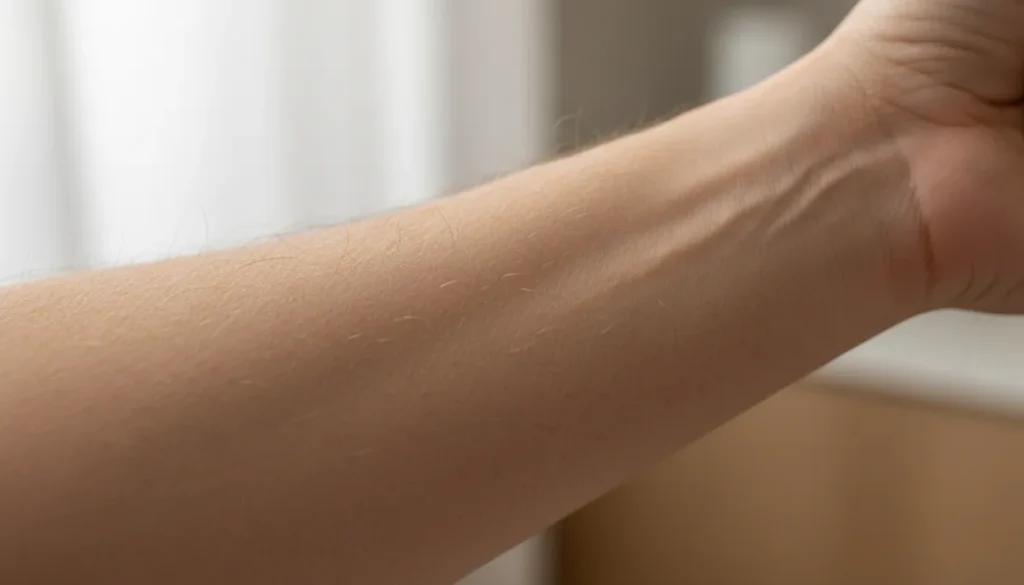
Experiencing hair loss on arms and legs can be unsettling, especially when it appears suddenly or progresses rapidly. While many people associate hair loss with the scalp, body hair loss is a distinct concern that often signals underlying health issues. This article explores the most common causes, how medical professionals diagnose the condition, and the range of treatment options available today.
According to dermatological studies, up to 5% of individuals notice noticeable thinning of arm or leg hair at some point in their lives. Whether the cause is hormonal, autoimmune, or nutritional, understanding the root factor is essential for effective management. In the following sections, we will break down each potential trigger, outline diagnostic steps, and provide practical advice for restoring healthy body hair.
By the end of this guide, you will have a clearer picture of why your arms or legs might be losing hair and what steps you can take—whether through lifestyle adjustments, medical therapies, or professional consultation—to address the issue confidently.
Common Causes of Hair Loss on Arms and Legs
Body hair loss can stem from a variety of physiological and external factors. Recognizing the underlying cause helps target the most appropriate treatment.
Hormonal Changes
Fluctuations in hormones such as estrogen, testosterone, and thyroid hormones can influence hair growth cycles. Conditions like hypothyroidism or hyperthyroidism often manifest as diffuse thinning on the limbs.
Autoimmune Conditions
Alopecia areata is an autoimmune disorder where the immune system mistakenly attacks hair follicles, leading to patches of hair loss that can affect the scalp, arms, and legs. Other autoimmune diseases, such as lupus, may also cause similar symptoms.
Nutritional Deficiencies
Lack of essential nutrients—including iron, zinc, biotin, and vitamin D—can impair the production of keratin, the protein that makes up hair. Deficiencies often result in overall hair thinning, not just on the scalp.
Medications and Treatments
Certain medications, such as chemotherapy agents, beta‑blockers, and some antidepressants, may trigger body hair loss as a side effect. Radiation therapy targeting nearby areas can also affect hair follicles.
Skin Disorders and Infections
Chronic skin conditions like eczema, psoriasis, or fungal infections can damage hair follicles, leading to localized hair loss on the arms or legs.
- Hormonal imbalance (thyroid disorders)
- Autoimmune disease (alopecia areata, lupus)
- Vitamin and mineral deficiencies
- Medication side effects
- Skin infections and chronic dermatological conditions
| Cause | Typical Symptoms | Diagnostic Indicator |
|---|---|---|
| Thyroid disorder | Generalized thinning, fatigue | Abnormal TSH levels |
| Alopecia areata | Round patches, sudden onset | Positive auto‑antibody test |
| Nutrient deficiency | Dry skin, brittle nails | Low serum iron or zinc |
| Medication side effect | Diffuse thinning after drug start | Temporal correlation with prescription |
| Skin infection | Redness, itching, scaling | Positive fungal culture |
How to Diagnose Body Hair Loss
Accurate diagnosis begins with a thorough medical history and physical examination, followed by targeted tests to pinpoint the root cause.
Medical Examination
A dermatologist will assess the pattern of hair loss, looking for characteristic signs such as smooth, round patches (suggestive of alopecia areata) or diffuse thinning (often linked to hormonal or nutritional issues).
Laboratory Tests
Blood work can reveal thyroid hormone levels, iron stores, vitamin D status, and autoimmune markers. These results help differentiate between endocrine, nutritional, and autoimmune origins.
Skin Biopsy
In ambiguous cases, a small skin sample may be taken to examine follicular health under a microscope. This procedure can confirm autoimmune activity or detect scarring processes.
- Detailed patient history (medications, diet, family history)
- Physical inspection of affected areas
- Blood tests for thyroid, iron, vitamin D, autoimmune antibodies
- Skin biopsy when necessary
Treatment Options for Hair Loss on Arms and Legs
Therapeutic strategies vary based on the identified cause. Below are the most commonly recommended approaches.
Topical Therapies
Minoxidil, a vasodilator, is approved for scalp use but can be compounded for body areas. Applied twice daily, it may stimulate follicular activity and improve hair density.
Systemic Medications
When an autoimmune condition is confirmed, corticosteroids or immunomodulators (e.g., methotrexate) are prescribed to suppress the immune response. Thyroid hormone replacement or supplementation can correct hormonal imbalances.
Light and Laser Therapy
Low‑level laser therapy (LLLT) has shown promise in enhancing cellular metabolism within hair follicles, promoting regrowth on both scalp and body.
Natural Remedies
Ensuring adequate intake of biotin, zinc, and omega‑3 fatty acids supports keratin production. Essential oils such as rosemary or lavender, diluted and massaged into the skin, may improve circulation.
- Compounded minoxidil for targeted application
- Hormone replacement therapy (if indicated)
- Immunosuppressive drugs for alopecia areata
- Low‑level laser devices for home use
- Dietary supplements and essential oils
| Treatment | Best For | Typical Duration |
|---|---|---|
| Compounded Minoxidil | Diffuse thinning, early alopecia areata | 3–6 months |
| Corticosteroids | Active autoimmune patches | 6–12 weeks |
| LLLT | General regrowth support | 4–12 months |
| Supplementation | Nutrient deficiencies | 2–4 months |
When to Seek Professional Help
While occasional shedding can be normal, certain signs indicate that a medical professional should be consulted promptly.
Warning Signs
Rapid or patchy loss, accompanying skin changes (redness, scaling), unexplained weight loss, or fatigue may suggest an underlying systemic issue.
Who to Consult
A board‑certified dermatologist is the primary specialist for hair and skin concerns. In cases linked to hormonal imbalance, an endocrinologist may be involved, while nutritionists can guide dietary interventions.
- Sudden, extensive hair loss on limbs
- Presence of skin inflammation or lesions
- Concurrent symptoms (fatigue, weight changes)
- History of autoimmune disease
- Unsuccessful self‑treatment after 3 months
Lifestyle Changes to Support Hair Regrowth
Complementary lifestyle adjustments can enhance the effectiveness of medical treatments and promote overall hair health.
Diet and Supplements
Incorporate protein‑rich foods, leafy greens, nuts, and fatty fish to supply essential amino acids and omega‑3s. A daily multivitamin containing biotin, zinc, and vitamin D can fill nutritional gaps.
Stress Management
Chronic stress elevates cortisol, which may disrupt the hair growth cycle. Practices such as mindfulness meditation, yoga, or regular aerobic exercise help lower stress levels.
Skincare Routine
Gentle cleansing of the arms and legs prevents irritation that could damage follicles. Moisturizing with non‑comedogenic lotions maintains skin elasticity and supports a healthy environment for hair growth.
- Balanced diet with lean protein, iron, and omega‑3s
- Regular physical activity and stress‑relief techniques
- Avoid harsh soaps or scrubs on affected areas
- Use hypoallergenic moisturizers daily
- Consider targeted supplements after consulting a professional
Why Choose Gold City Hair for Your Hair Restoration Journey
At Gold City Hair, we combine cutting‑edge technology with personalized care to address all forms of hair loss, including body hair concerns. Since 2017, our experienced team has delivered successful outcomes using proven methods such as FUE, DHI, and customized medical protocols. We prioritize transparent communication, thorough diagnostics, and a treatment plan tailored to your unique needs, ensuring you receive the most effective and comfortable solution.
Ready to take the next step toward restoring confidence in your skin and hair? Contact Gold City Hair today for a personalized consultation and discover the best treatment path for your specific condition.
FAQ
What are the most common causes of hair loss on arms and legs?
The main causes include hormonal imbalances, autoimmune disorders such as alopecia areata, nutritional deficiencies, certain medications, and skin conditions or infections.
How do doctors diagnose hair loss on the arms and legs?
Diagnosis starts with a detailed medical history and physical exam, followed by blood tests and, if needed, a skin biopsy.
Can minoxidil be used to treat hair loss on the body?
Yes, compounded minoxidil can be applied to arms and legs to stimulate follicular activity.
What role does low‑level laser therapy (LLLT) play in regrowing arm and leg hair?
LLLT boosts cellular metabolism in hair follicles, promoting regrowth on both scalp and body.
When should someone seek professional help for hair loss on their limbs?
Seek a dermatologist if loss is rapid, patchy, accompanied by skin changes, or persists despite self‑care for three months.
What lifestyle changes support hair regrowth on arms and legs?
A balanced diet rich in protein, iron, zinc, and omega‑3s, stress reduction, and gentle skin care all help.