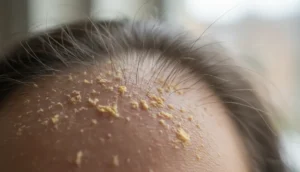
When hair thinning becomes noticeable, many turn to a hair loss tonic as a quick, non‑invasive solution. Unlike shampoos that cleanse, tonics are formulated to deliver active compounds directly to the scalp, stimulating follicles and extending the growth phase of each strand. In a market flooded with hair growth shampoo and serum options, a tonic offers a targeted, leave‑in approach that can be combined with other treatments for maximum effect.
Recent studies show that up to 40 % of adults experience measurable hair thinning by age 35, making early intervention essential. A well‑chosen tonic can slow shedding, improve density, and boost confidence while you explore longer‑term solutions such as hair transplantation. This article explains the science behind tonics, highlights the most effective ingredients, and provides practical guidance on selecting and using the right product for your unique needs.
We’ll also explore how a tonic fits into a comprehensive hair restoration plan that includes proven surgical techniques like FUE and DHI, ensuring you have a clear roadmap from daily care to permanent results.
What Is a Hair Loss Tonic and How Does It Differ from Shampoos?
A hair loss tonic is a concentrated, liquid formulation designed to be massaged into the scalp after cleansing. While a hair growth shampoo primarily removes oil and debris, a tonic delivers active ingredients—such as peptides, vitamins, and botanical extracts—directly to the hair follicles, bypassing the rinse‑out step. This distinction allows for higher absorption and sustained contact, which can be crucial for stimulating dormant cells.
Key differences include:
- Application method: Tonics are left on the scalp, whereas shampoos are rinsed off.
- Active concentration: Tonics often contain higher percentages of growth‑promoting agents.
- Targeted benefits: Tonics focus on regrowth and strengthening, while shampoos mainly address cleanliness and mild scalp irritation.
Many consumers wonder whether a hair loss shampoo for women can replace a tonic. The answer is nuanced: shampoos can support overall scalp health, but they rarely provide the sustained delivery needed for noticeable regrowth. Pairing a gentle, sulfate‑free shampoo with a potent tonic creates a synergistic routine that tackles both cleanliness and follicular stimulation.

Key Ingredients That Drive Hair Regrowth
The effectiveness of a hair loss tonic hinges on its ingredient profile. Modern formulations blend scientifically backed actives with traditional botanicals to create a multi‑phase attack on thinning hair. Below is a table summarizing the most common and potent components.
| Ingredient | Primary Action | Typical Concentration |
|---|---|---|
| Procapil | Strengthens hair shaft, reduces follicle apoptosis | 0.5‑2 % |
| Biotin (Vitamin B7) | Supports keratin production, improves elasticity | 0.1‑0.5 % |
| Caffeine | Stimulates dermal papilla cells, prolongs anagen phase | 0.3‑1 % |
| Niacinamide (Vitamin B3) | Enhances microcirculation, reduces inflammation | 0.2‑1 % |
| Saw Palmetto Extract | Blocks DHT conversion, slows androgenic miniaturization | 0.5‑1 % |
| Peptide Complexes (e.g., GHK‑Cu) | Promotes collagen synthesis, rejuvenates scalp matrix | 0.05‑0.2 % |
In addition to these core actives, many tonics incorporate hair supplement‑derived nutrients such as zinc, iron, and omega‑3 fatty acids to address systemic deficiencies that can exacerbate shedding. When selecting a product, look for transparent labeling that lists exact percentages; vague “proprietary blends” often hide sub‑therapeutic doses.
For those seeking a natural route, ingredients like rosemary oil, pumpkin seed oil, and green tea extract have demonstrated modest DHT‑blocking and antioxidant properties. While these botanicals may not replace clinical strength actives, they can enhance overall scalp health and complement a more intensive regimen.
Choosing the Right Tonic for Your Hair Type
Not all hair loss tonics are created equal, and the optimal choice depends on scalp condition, hair density, and personal sensitivities. Below is a quick guide to match product profiles with common hair concerns.
- Fine, limp hair: Opt for lightweight, non‑greasy formulas that contain caffeine and niacinamide to boost lift without weighing strands down.
- Thick, coarse hair: Choose tonics with higher oil‑based carriers (e.g., argan or jojoba) and peptide complexes that penetrate deeper into the follicle.
- Dry, flaky scalp: Look for soothing agents such as aloe vera, panthenol, and hyaluronic acid to restore moisture while delivering growth factors.
- Hormone‑sensitive loss (e.g., pattern baldness): Prioritize DHT‑blocking ingredients like saw palmetto, ketoconazole, and Procapil.
When evaluating a product, consider the following checklist:
- Does the label list exact percentages for active ingredients?
- Is the formula free from harsh sulfates, parabens, and alcohol that can irritate the scalp?
- Does it contain a blend of both systemic nutrients (e.g., biotin) and topical actives (e.g., peptides)?
- Is the packaging designed to protect from oxidation (dark glass or air‑tight pump)?
Consumers often ask, “What is the best hair tonic for hair loss?” The answer lies in aligning the tonic’s strengths with your specific hair loss pattern—whether it’s diffuse thinning, a receding hairline, or localized bald patches. Pairing a well‑chosen tonic with a supportive hair thickening product can accelerate visible improvements within 8‑12 weeks.
Integrating Tonics with Clinical Hair Restoration Options
For many patients, a tonic serves as a bridge between daily care and permanent solutions such as follicular unit extraction (FUE) or direct hair implantation (DHI). While surgical methods relocate healthy follicles to balding zones, a tonic can improve the health of existing hair and prepare the scalp for optimal graft survival.
Clinical protocols often recommend a pre‑operative regimen that includes:
- Daily use of a hair loss treatment containing DHT blockers to stabilize the donor area.
- Topical application of a peptide‑rich tonic for two weeks before surgery to enhance vascularization.
- Post‑operative continuation of a gentle, nourishing tonic to reduce inflammation and support graft integration.
Studies from leading transplant clinics indicate that patients who maintain a consistent tonic routine experience up to a 15 % increase in graft retention compared with those who rely solely on post‑operative shampoos. This synergy underscores the value of a comprehensive approach: the tonic nurtures the existing hair while the transplant adds new follicles, delivering a fuller, more natural appearance.
Gold City Hair’s personalized treatment plans often incorporate a customized tonic regimen alongside FUE or DHI procedures, ensuring each client receives a seamless blend of medical expertise and daily scalp care.
Potential Side Effects and How to Use Tonics Safely
While most hair loss tonics are well tolerated, certain ingredients can cause irritation, especially on sensitive scalps. Common adverse reactions include mild redness, itching, or a temporary increase in shedding as follicles transition to a new growth cycle.
To minimize risks:
- Patch test: Apply a small amount of the tonic to a discreet area of the scalp and wait 24 hours for any reaction.
- Follow recommended dosage: Over‑application does not speed results and may increase irritation.
- Avoid mixing with strong chemicals: Do not combine a tonic with hair dyes or keratin treatments within 48 hours.
- Consult a dermatologist: If you have pre‑existing scalp conditions such as psoriasis or eczema, professional guidance is essential before starting a tonic.
Most side effects are mild and resolve within a few days of discontinuation. If persistent redness or swelling occurs, discontinue use and seek medical advice. Remember that consistency is key; a tonic’s benefits accumulate over weeks, not days, and patience will yield the best outcomes.
Why Choose Gold City Hair
Gold City Hair has been delivering personalized hair restoration solutions since 2017, combining state‑of‑the‑art transplant techniques with expertly curated topical regimens. Our team prioritizes transparent communication, ensuring every client understands the role of a hair loss tonic within a broader treatment plan. With a proven track record of successful FUE and DHI procedures, we offer a holistic approach that blends surgical precision with daily scalp care for lasting confidence.
Ready to revitalize your hair and regain confidence? Contact Gold City Hair today to schedule a personalized consultation and discover the perfect tonic and transplant combination for your needs.
Take the first step toward fuller, healthier hair—our experts are here to guide you every step of the way.
FAQ
What is a hair loss tonic and how does it work?
A hair loss tonic is a concentrated liquid applied to the scalp that delivers active ingredients directly to hair follicles to stimulate growth.
How does a hair loss tonic differ from a shampoo?
A tonic stays on the scalp for prolonged contact, while a shampoo is rinsed off after cleaning.
What are the most effective ingredients in a hair loss tonic?
Key actives include Procapil, biotin, caffeine, niacinamide, saw palmetto, and peptide complexes.
How should I choose the right hair loss tonic for my hair type?
Match the tonic’s texture and actives to your hair’s thickness, scalp condition, and hormonal sensitivity.
Can a hair loss tonic be used with hair transplant procedures?
Yes, tonics can be part of pre‑ and post‑operative care to improve graft survival.
What are the possible side effects of using a hair loss tonic?
Mild irritation such as redness, itching, or temporary increased shedding may occur.
How long does it take to see results from a hair loss tonic?
Visible improvements typically appear after 8‑12 weeks of consistent use.