Hair transplant aftercare is the cornerstone of achieving natural‑looking, lasting results. Whether you have undergone follicular unit extraction (FUE), direct‑hair‑implantation (DHI), or eyebrow and beard transplants, the days and weeks that follow the procedure determine the success of the grafts. In this guide we walk you through every phase of post‑operative care, from the moment you leave the clinic to the point where you can confidently showcase your new hair.
Millions of men and women worldwide opt for hair restoration each year, yet a significant percentage experience sub‑optimal outcomes simply because they overlook critical aftercare steps. Studies show that proper scalp hygiene, nutrition, and adherence to the recovery timeline can improve graft survival by up to 20 %.
We’ll cover practical tips, recommended products, and common pitfalls to avoid, ensuring you feel fully prepared to protect your investment and accelerate healing.
Preparing for the First Days After Surgery

The initial 48‑hour window sets the tone for graft stability. Follow these essential steps to minimize trauma and promote a healthy healing environment.
- Keep the grafts untouched: Avoid touching, scratching, or rubbing the transplanted area.
- Sleep with your head elevated 30‑45 degrees to reduce swelling.
- Apply the prescribed antibiotic ointment as directed, usually twice daily.
- Limit physical activity; no heavy lifting or vigorous exercise for the first week.
- Stay hydrated and consume a balanced diet rich in protein and vitamins.
Below is a quick comparison of what to expect on each of the first three days:
| Day | Typical Sensations | Recommended Actions |
|---|---|---|
| 0 (Procedure Day) | Mild numbness, slight redness | Apply cooling compresses, follow surgeon’s medication plan. |
| 1 | Swelling peaks, possible oozing | Maintain head elevation, use gentle saline rinse if advised. |
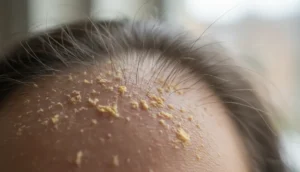
| 2 | Crusting begins, itching may start | Do not pick crusts; continue gentle washing after 48 hours. |
Adhering to these protocols dramatically reduces the risk of graft displacement and infection, laying a solid foundation for the weeks ahead.
Managing Scalp Care and Hygiene
Maintaining a clean, infection‑free scalp is vital throughout the hair transplant aftercare period. The first wash is typically allowed after 48 hours, but the exact timing may vary based on the surgeon’s protocol.
Washing Technique
- Use a mild, sulfate‑free shampoo recommended by your clinic.
- Let the water temperature be lukewarm; hot water can irritate the grafts.
- Apply shampoo with a cupped hand, gently pouring over the scalp without rubbing.
- Rinse thoroughly, allowing water to flow from the front to the back to avoid dislodging grafts.
- Pat dry with a soft, clean towel; avoid rubbing.
Recommended Products
| Product Type | Key Features | Why It Works |
|---|---|---|
| Gentle Shampoo | pH‑balanced, no sulfates | Reduces scalp irritation while cleansing. |
| Antiseptic Spray | Contains chlorhexidine | Prevents bacterial growth without harming grafts. |
| Moisturizing Serum | Rich in hyaluronic acid | Maintains scalp hydration and promotes healing. |
Do not use hair dryers, styling gels, or harsh chemicals for at least four weeks. If you notice excessive redness, swelling, or pus, contact your clinic immediately.
Nutrition, Medications, and Lifestyle for Optimal Healing
What you eat and how you live directly influence graft retention and overall hair growth. A diet rich in proteins, omega‑3 fatty acids, and antioxidants fuels the follicle’s regenerative process.
Key Nutrients
- Protein: Essential for new hair shaft formation; include lean meats, legumes, and dairy.
- Vitamin C: Enhances collagen synthesis; sources include citrus fruits and bell peppers.
- Biotin (Vitamin B7): Supports keratin production; found in eggs and nuts.
- Zinc: Helps with tissue repair; abundant in pumpkin seeds and shellfish.
- Omega‑3 fatty acids: Reduce inflammation; fish like salmon are ideal.
Recommended Supplement Schedule (First 3 Months)
| Supplement | Dosage | Timing |
|---|---|---|
| Biotin | 5,000 µg | Morning with breakfast |
| Vitamin C | 500 mg | Midday with lunch |
| Zinc | 30 mg | Evening with dinner |
| Omega‑3 (Fish Oil) | 1,000 mg | With any main meal |
Prescribed medications such as anti‑inflammatories or platelet‑rich plasma (PRP) boosters should be taken exactly as instructed. Avoid smoking and limit alcohol consumption, as both can constrict blood vessels and impede nutrient delivery to the grafts.
Understanding the Recovery Timeline and What to Expect
Patience is a virtue during the hair transplant aftercare journey. Below is a realistic timeline that aligns with most FUE and DHI procedures performed at Gold City Hair.
- Days 1‑3: Swelling and crust formation; gentle washing begins after 48 hours.
- Weeks 1‑2: Scabs fall off naturally; itching may increase – resist the urge to scratch.
- Weeks 3‑4: Shedding phase (telogen effluvium) where transplanted hairs fall out – a normal sign of cycle reset.
- Months 2‑4: New hair buds emerge; strands appear thin and fine.
- Months 5‑8: Hair thickens and gains natural density.
- Months 9‑12: Full maturation; final results become visible.
During the shedding phase, many patients worry that the transplant failed. In reality, this is part of the natural growth cycle, and the new follicles are preparing to produce permanent hair. Consistent aftercare, especially scalp hygiene and nutrition, accelerates this transition.
Common Concerns and When to Seek Professional Help
Even with diligent care, complications can arise. Recognizing warning signs early ensures timely intervention and protects graft viability.
- Excessive Redness or Warmth: May indicate infection; contact your clinic immediately.
- Severe Pain or Persistent Swelling: Could signal an allergic reaction to medication.
- Unusual Hair Loss Outside the Grafted Area: Might be a sign of stress‑induced telogen effluvium.
- Persistent Crusting Beyond Two Weeks: May require a gentle debridement by a professional.
- Fever or General Malaise: Seek medical attention as it could be systemic infection.
Gold City Hair provides a 24‑hour support line for post‑procedure queries, ensuring you have expert guidance whenever concerns arise.
Why Choose Gold City Hair for Your Hair Transplant
Since 2017, Gold City Hair has been a leading destination for hair restoration in Turkey, offering state‑of‑the‑art FUE and DHI techniques performed by experienced surgeons. Our personalized approach emphasizes transparent communication, meticulous aftercare instructions, and a supportive environment that empowers patients throughout their recovery journey. Trust a clinic that combines clinical excellence with a commitment to your confidence.
Ready to start your transformation? Contact Gold City Hair today to schedule a consultation and receive a customized aftercare plan that maximizes your results.
FAQ
What should I do during the first 48 hours after a hair transplant?
Keep the grafts untouched, elevate your head, apply prescribed ointment, avoid heavy activity, stay hydrated, and follow a protein‑rich diet.
How and when can I wash my scalp after the procedure?
The first gentle wash is typically allowed after 48 hours using lukewarm water and a mild, sulfate‑free shampoo applied with a cupped hand.
Which nutrients and supplements help improve graft survival?
Protein, vitamin C, biotin, zinc, and omega‑3 fatty acids are key, often taken as supplements like biotin 5,000 µg, vitamin C 500 mg, zinc 30 mg, and fish oil 1,000 mg daily.
What is the typical recovery timeline after a hair transplant?
Swelling and crusting occur days 1‑3, scabs fall off weeks 1‑2, shedding phase weeks 3‑4, new hair buds appear months 2‑4, thickening months 5‑8, full results by month 12.
When should I contact my clinic for possible complications?
Reach out immediately if you notice excessive redness, warmth, severe pain, persistent swelling, unusual hair loss outside the graft area, crusting beyond two weeks, fever, or general malaise.