Understanding hair transplant recovery is essential for anyone who has undergone a modern FUE or DHI procedure, as it determines how quickly you can return to daily life and how successful the final results will be. This guide walks you through each stage of the healing process, from the first 24 hours to the months when new hair begins to grow, and explains why proper care matters for long‑term confidence.
Did you know that most patients notice significant improvement in graft survival when they follow a structured post‑operative plan? Studies show that diligent after‑care can increase graft retention by up to 15 % compared with minimal care. Whether you are a first‑time recipient or returning for a touch‑up, knowing what to expect helps you avoid common pitfalls and speeds up the journey to a natural‑looking outcome.
In the sections below, we cover the typical recovery timeline, essential care routines, how to manage common concerns, lifestyle adjustments that support healing, and ongoing hair‑care strategies that maximize growth. Armed with this information, you can approach each day with confidence, knowing you are doing everything possible for a successful transformation.
Understanding the Recovery Timeline
The first weeks after a hair transplant set the foundation for graft survival and overall comfort. While each individual’s experience varies, the process generally follows a predictable pattern that can be broken into four key phases.
Day 0–3: Immediate Post‑Surgery Care
- Grafts are placed, and the scalp may appear reddened and mildly swollen.
- Patients are advised to keep their head elevated and avoid bending.
- Gentle rinsing with a prescribed solution begins after 24 hours.
Day 4–7: Scabbing and Early Healing
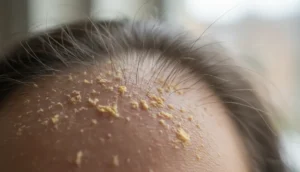
- Small crusts form around each graft; these naturally fall off within 10–14 days.
- Itching is common; resist the urge to scratch to protect the grafts.
- Light activity can be resumed, but heavy exercise remains off‑limits.
Weeks 2–4: Shedding Phase
During this period, the transplanted hairs often enter a “shock loss” stage, where the existing hairs shed to make way for new growth. This is a normal part of the hair transplant recovery process and signals that follicles are resetting.
Months 2–6: New Growth Emerges
New hair typically starts to appear around the 10‑week mark, becoming visibly thicker by month four. Patience is crucial, as full density may take up to 12‑18 months.
Managing Post‑Operative Care
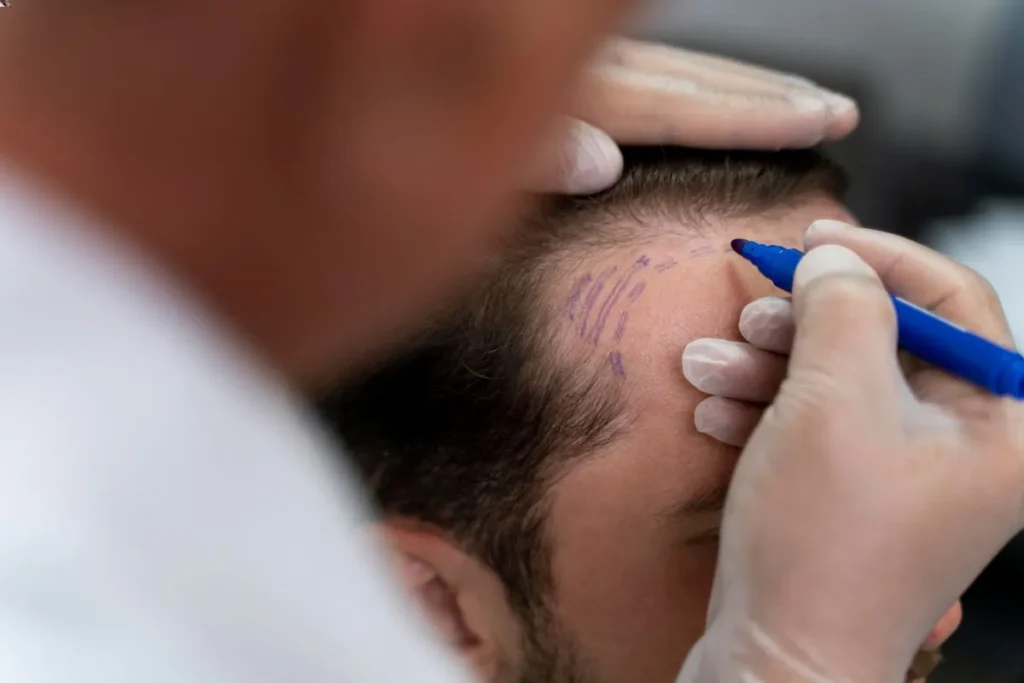
Effective post‑operative care is the cornerstone of a smooth hair transplant recovery. Following a disciplined routine reduces infection risk, promotes graft adherence, and eases discomfort.
Cleaning and Shampooing
Proper scalp hygiene begins 24 hours after surgery. Use the prescribed mild shampoo and lukewarm water, applying gentle pressure with fingertips—never scrub.
Medication and Supplements
Doctors typically prescribe antibiotics, anti‑inflammatories, and sometimes finasteride or minoxidil to support hair growth. Take these exactly as directed.
Nutrition and Hydration
A balanced diet rich in protein, vitamins A, C, E, and zinc fuels the healing process. Aim for at least 2 liters of water daily to keep tissues supple.
| Do | Don’t |
|---|---|
| Keep the scalp clean with prescribed shampoo. | Rub or pick at scabs. |
| Follow medication schedule. | Skip doses or self‑medicate. |
| Maintain a protein‑rich diet. | Consume excessive alcohol or smoking. |
| Wear loose, breathable headwear if needed. | Wear tight hats or helmets for the first two weeks. |
Common Concerns and How to Address Them
Even with meticulous care, patients often experience questions or mild complications during the hair transplant recovery period. Understanding these issues helps you respond appropriately and avoid unnecessary anxiety.
Itching and Tingling
Itching usually peaks between days 5‑10 as scabs soften. Apply a thin layer of prescribed ointment and keep the scalp moisturized. If itching becomes severe, contact your clinic.
Swelling and Redness
Minor swelling around the forehead is common and typically subsides within 48 hours. Elevating your head while sleeping and using cold compresses can accelerate reduction.
Bleeding or Oozing
Light oozing may continue for a few days. Apply gentle pressure with a sterile gauze pad. Persistent bleeding warrants immediate medical attention.
Shock Loss
Temporary shedding of transplanted hairs is a normal part of the healing cycle. Reassure yourself that new growth will follow; most patients see regrowth within three months.
Lifestyle Adjustments for Optimal Healing
Beyond direct care, everyday habits significantly influence the speed and quality of hair transplant recovery. Small adjustments can make a big difference in graft survival and overall wellbeing.
Physical Activity
- Avoid strenuous exercise, heavy lifting, or cardio that raises blood pressure for at least 10‑14 days.
- Light walking is encouraged to improve circulation.
Sleep and Stress Management
- Aim for 7‑9 hours of restful sleep; the body repairs tissue most efficiently during deep sleep.
- Practice relaxation techniques—breathing exercises, meditation, or gentle yoga—to lower cortisol levels that can impede healing.
Avoiding Harmful Substances
- Smoking constricts blood vessels, reducing oxygen delivery to grafts; quit for at least one month post‑procedure.
- Limit alcohol intake, as it can increase swelling and interfere with medication effectiveness.
Sun Protection
Direct UV exposure can irritate the scalp and affect pigment. Wear a wide‑brimmed hat or use a sunscreen formulated for the scalp after the first two weeks.
Enhancing Results with Ongoing Hair Care
The final phase of hair transplant recovery focuses on nurturing new growth and preserving existing hair. Combining professional follow‑ups with at‑home care maximizes density and longevity.
Topical Treatments
Products containing minoxidil or natural extracts can be introduced after the 3‑month mark, pending doctor approval. They stimulate follicles and improve thickness.
Oral Medications
Finasteride is frequently prescribed for male pattern baldness and can be continued long‑term to prevent future loss. Women may discuss alternative options with their physician.
Gentle Styling
- Use a soft‑bristle brush and avoid tight hairstyles that pull on the grafts.
- Delay chemical treatments (color, perm) for at least six months.
Regular Follow‑Up Visits
Scheduled appointments at 1, 3, 6, and 12 months allow the clinic to monitor progress, address concerns, and adjust any adjunct therapies.
Why Choose Gold City Hair
Gold City Hair has been delivering personalized hair restoration solutions in Turkey since 2017. Our clinic specializes in advanced FUE and DHI techniques, ensuring minimal scarring and natural‑looking results. We prioritize transparent communication, creating a tailored recovery plan that aligns with each patient’s lifestyle and goals. With a dedicated medical team and state‑of‑the‑art facilities, you receive comprehensive support from the initial consultation through long‑term after‑care.
Ready to start your transformation? Contact Gold City Hair today to schedule a personalized consultation and receive a detailed recovery roadmap designed just for you.
Take the first step toward renewed confidence—your journey to lasting results begins now.
FAQ
What is the typical timeline for hair transplant recovery?
Recovery is divided into four phases: immediate post‑surgery (days 0‑3), scabbing (days 4‑7), shedding (weeks 2‑4), and new growth (months 2‑6).
How should I care for my scalp in the first few days after a hair transplant?
Keep the head elevated, avoid bending, and gently rinse with the prescribed solution after 24 hours.
What are common side effects after a hair transplant and how can they be managed?
Itching, swelling, mild bleeding, and shock loss are common; use ointments, cold compresses, and follow medical advice.
When can I resume exercise and normal activities after a hair transplant?
Light walking is allowed immediately; avoid strenuous exercise for 10‑14 days.
How do nutrition and supplements affect hair transplant healing?
A protein‑rich diet with vitamins A, C, E, and zinc supports graft survival and tissue repair.
What is shock loss and when does it occur?
Shock loss is temporary shedding of transplanted hairs that typically happens 2‑4 weeks after surgery.
How long does it take to see new hair growth after a transplant?
Visible new hair typically appears around 10 weeks, with noticeable thickness by month four.
What post‑operative medications are usually prescribed?
Antibiotics, anti‑inflammatories, and sometimes finasteride or minoxidil are common prescriptions.