When the phrase surgery transplant head appears in headlines, many imagine a science‑fiction scenario where an entire head is moved from one body to another. In reality, the term often confuses the emerging field of full‑head transplantation with the more common hair restoration procedures that restore lost follicles. This article clarifies the distinction, outlines the current scientific landscape, and explains why most patients seeking a hair transplant should focus on proven techniques like FUE and DHI.
According to recent medical surveys, over 70 % of people experiencing hair loss turn to surgical solutions, yet only a fraction understand the difference between a head transplant and a hair restoration surgery. By separating fact from speculation, you can make an informed decision about your appearance and health.
We will explore the anatomy of a head transplant, the status of clinical research, the medical and ethical challenges, and what you can realistically expect if you are considering any form of transplant surgery. Whether you are curious about the futuristic concept or looking for reliable hair restoration, the information below provides a comprehensive guide.
Understanding Head Transplant Surgery
Head transplant surgery, sometimes referred to as a whole‑body or full‑head transplant, involves attaching one person’s head to another’s body. This complex procedure would require reconnecting the spinal cord, blood vessels, airway, and nervous system—a challenge that has never been successfully achieved in humans.
In contrast, a hair transplant focuses solely on moving healthy hair follicles from a donor area (usually the back of the scalp) to a balding region. Techniques such as Follicular Unit Extraction (FUE) and Direct Hair Implantation (DHI) isolate individual grafts, minimizing scarring and delivering natural‑looking results.
- Scope: Head transplant aims to replace the entire brain and skull, while hair transplant restores only hair density.
- Complexity: Full‑head surgery would require microsurgical reconnection of millions of nerves; hair transplantation deals with a few thousand follicles.
- Current Success: No verified human head transplant has been completed; hair transplant success rates exceed 90 % in experienced clinics.
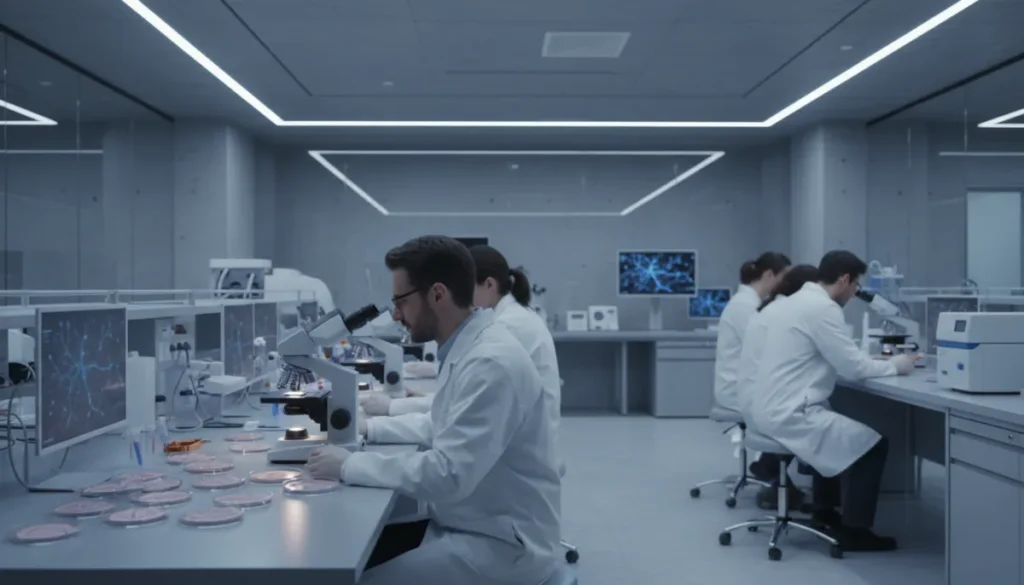
The Current State of Research and Clinical Trials
Although a full surgery transplant head remains theoretical, several research teams have explored related concepts. In the early 2000s, animal studies demonstrated limited success in spinal cord fusion, but translating those findings to humans has proven elusive.
Key milestones include:
| Year | Research Focus | Outcome |
|---|---|---|
| 2008 | Rodent spinal cord reconnection | Partial motor function restored |
| 2015 | Vascularized whole‑head transplantation in primates | Survival for several hours, no functional recovery |
| 2022 | Human head transplant proposal (public announcement) | No surgical attempt yet; ethical debates intensified |
Despite these efforts, the consensus among neurosurgeons is that the technology required to reconnect the spinal cord at a functional level is still decades away. Meanwhile, advancements in hair restoration continue to improve, offering patients immediate and lasting solutions without the risks associated with experimental whole‑body procedures.
Risks, Benefits, and Ethical Considerations
Any discussion of a surgery transplant head must address the profound medical risks. Potential complications include massive blood loss, immune rejection, prolonged brain ischemia, and irreversible neurological damage. Ethical concerns also arise regarding identity, consent, and the allocation of medical resources.
In contrast, the benefits of hair transplant procedures are well documented: restored confidence, natural appearance, and minimal downtime. Patients opting for FUE or DHI can expect:
- Recovery within 7–10 days.
- Permanent graft survival when performed by skilled surgeons.
- Low complication rates (typically under 5 %).
When evaluating any surgical option, it is essential to weigh the realistic outcomes against the speculative promises of futuristic procedures. Transparent communication with a qualified clinic ensures that expectations align with what medical science can safely deliver.
What Patients Can Expect: From Consultation to Recovery
For individuals considering any form of transplant, the patient journey begins with a thorough consultation. In the case of hair restoration, the process typically includes:
- Medical assessment and scalp analysis.
- Discussion of goals and selection of the appropriate technique (FUE, DHI, or eyebrow/beard transplant).
- Pre‑operative instructions, including medication adjustments.
- Day‑of‑surgery procedure lasting 4–8 hours.
- Post‑operative care, with follow‑up visits over 12 months.
Costs for a full hair transplant in Turkey range from $2,000 to $5,000, depending on the number of grafts and the clinic’s reputation. By comparison, the speculative cost of a whole‑head transplant—if ever realized—would likely exceed millions of dollars, with no guarantee of success.
Patients who choose reputable clinics benefit from experienced surgeons, state‑of‑the‑art facilities, and transparent after‑care protocols. This structured approach ensures optimal graft survival and a natural hairline, far surpassing the uncertain outcomes of experimental head‑transplant surgery.
Why Choose Gold City Hair
Gold City Hair has been delivering safe and effective hair restoration solutions in Turkey since 2017. Our team specializes in FUE, DHI, and eyebrow/beard transplants, offering personalized treatment plans and clear communication throughout the process. With a focus on patient confidence and satisfaction, we combine cutting‑edge technology with a compassionate approach, ensuring each client receives the highest standard of care.
Ready to restore your natural look? Contact Gold City Hair today for a free, no‑obligation consultation and discover how our expert team can help you achieve lasting confidence.
Take the first step toward a fuller, healthier hairline—schedule your appointment now.
FAQ
What is a head transplant surgery and how does it differ from a hair transplant?
A head transplant surgery aims to replace an entire head onto a new body, requiring reconnection of the spinal cord, blood vessels and nerves, while a hair transplant only moves hair follicles to restore scalp density.
Is a full head transplant currently possible in humans?
No, a full head transplant has never been successfully performed on a human and remains experimental.
What are the main risks associated with a head transplant?
Risks include massive blood loss, immune rejection, prolonged brain ischemia, irreversible neurological damage, and profound ethical concerns.
What are the success rates of modern hair transplant techniques like FUE and DHI?
Experienced clinics report success rates above 90% for both FUE and DHI with low complication rates.
How much does a hair transplant cost in Turkey compared to a hypothetical head transplant?
A hair transplant in Turkey costs $2,000–$5,000, while a full head transplant would likely run into millions of dollars, if ever realized.
How does Gold City Hair ensure safe and effective hair restoration?
Gold City Hair uses certified surgeons, state‑of‑the‑art facilities, personalized treatment plans, and thorough after‑care to guarantee safety and results.