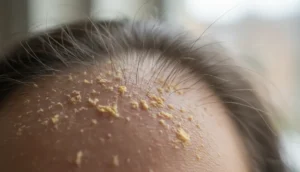
Many people wonder can you fix a receding hairline and what options are truly effective. A receding hairline is one of the most common early signs of hair loss, affecting both men and women and often impacting confidence. Understanding the underlying causes, exploring non‑surgical alternatives, and knowing when surgical restoration is appropriate can help you make an informed decision. In fact, studies show that up to 30 % of adults notice some degree of hairline recession by age 35, making early intervention crucial.
This article walks you through the science behind hairline recession, reviews the most reliable treatments, and outlines what to expect if you choose a hair transplant in Turkey. Whether you are looking for topical solutions, medication, or a permanent transplant, we provide clear guidance to help you answer the question, “can you fix a receding hairline?”
We’ll also highlight why Gold City Hair, a leading clinic specializing in FUE and DHI techniques, offers a personalized, transparent experience for patients worldwide.
Understanding Receding Hairlines: Causes and Types
A receding hairline typically begins at the temples and moves backward, creating an “M” shape in men or a thinning front in women. The most common causes include genetics, hormonal changes, and lifestyle factors. Recognizing the type of recession you have is the first step toward an effective solution.
- Genetic (Androgenetic) Alopecia: The primary driver, linked to dihydrotestosterone (DHT) sensitivity.
- Hormonal Shifts: Pregnancy, menopause, or thyroid imbalances can accelerate thinning.
- Stress & Nutrition: Chronic stress and poor diet weaken follicle health.
- Medical Conditions: Autoimmune disorders, scalp infections, or medication side effects.
| Feature | Men | Women |
|---|---|---|
| Typical Pattern | Temporal recession, “M” shape | Diffuse thinning across the front |
| Age of Onset | Late teens to early 30s | Late 20s to 40s |
| Primary Hormone | DHT | Estrogen & progesterone fluctuations |
By identifying whether your hairline is a mature hairline, a frontal baldness pattern, or a result of external factors, you can select the most appropriate treatment path.
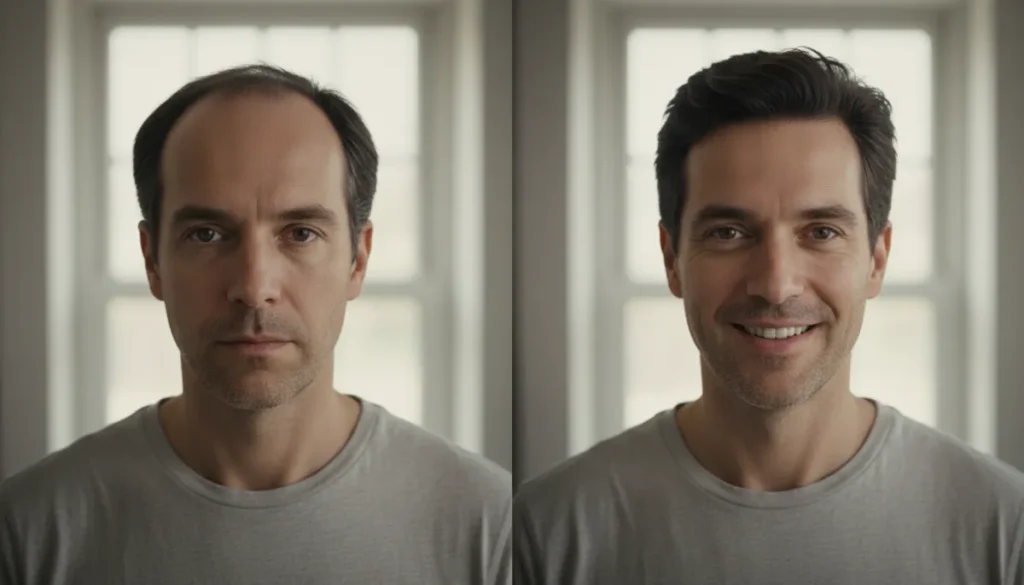
Non‑Surgical Options for a Receding Hairline
Before considering surgery, many patients explore non‑invasive methods. These approaches can slow progression, stimulate growth, or improve the appearance of a thinning hairline.
Topical Treatments
Minoxidil (Rogaine) is the most widely used over‑the‑counter solution. It works by widening blood vessels, increasing nutrient flow to follicles. Consistent twice‑daily application can lead to visible regrowth within 3–6 months for many users.
Oral Medications
Finasteride, a prescription pill, reduces DHT production and is especially effective for men. Women should consult a physician, as finasteride is not typically recommended for them.
Platelet‑Rich Plasma (PRP) Therapy
PRP involves injecting concentrated platelets from your own blood into the scalp. Growth factors in the plasma stimulate dormant follicles, offering a modest improvement for early‑stage recession.
Lifestyle Adjustments
- Balanced diet rich in iron, zinc, and biotin.
- Stress‑management techniques such as meditation or regular exercise.
- Avoiding harsh hairstyles that pull on the hairline.
While these methods can be helpful, the question remains: can you fix a receding hairline permanently without surgery? For many, especially those with advanced recession, surgical restoration provides the most reliable, lasting results.
Surgical Hair Restoration Techniques
When non‑surgical options fall short, hair transplantation offers a permanent fix. Modern clinics in Turkey, such as Gold City Hair, specialize in minimally invasive procedures that deliver natural‑looking density.
Follicular Unit Extraction (FUE)
FUE removes individual follicular units from a donor area—usually the back of the head—and implants them into the recession zone. The technique leaves tiny, dot‑like scars that are virtually invisible.
Direct Hair Implantation (DHI)
DHI uses a patented implanter pen, allowing precise placement of grafts at the correct angle and depth. This method often reduces graft trauma and shortens recovery time.
Choosing the Right Technique
| Technique | Advantages | Considerations |
|---|---|---|
| FUE | Highly versatile, suitable for most hairlines, minimal scarring | Longer procedure time for large sessions |
| DHI | Precise graft placement, faster healing, higher graft survival | Typically higher cost |
Both FUE and DHI can be tailored to create a natural‑looking hairline that matches your facial features. The expertise of the surgeon, the density of donor hair, and post‑operative care all influence the final outcome. For many, the answer to can you fix a receding hairline lies in a carefully planned transplant performed by experienced professionals.
Preparing for a Hair Transplant in Turkey
Traveling for a hair transplant can be a smooth experience when you know what to expect. Gold City Hair provides a comprehensive package that covers consultation, the procedure, and post‑operative care.
Pre‑Procedure Consultation
During the virtual or in‑person consultation, the surgeon assesses your hair loss pattern, donor area quality, and personal goals. A customized plan is created, often including a visual mock‑up of the expected hairline.
Travel and Accommodation
- International airport transfer to the clinic.
- Hotel recommendations near the clinic.
- Assistance with visa and travel documents.
Post‑Operative Care
After the transplant, patients receive detailed instructions on washing, medication, and activity restrictions. Follow‑up appointments are scheduled to monitor graft survival and address any concerns.
Planning ahead ensures a stress‑free experience, allowing you to focus on the transformation. Many patients ask, “can you fix a receding hairline while abroad?” The answer is a confident yes, provided you choose a reputable clinic with proven results.
Managing Expectations and Long‑Term Care
Even the most successful transplant requires realistic expectations and ongoing maintenance. Understanding the timeline and necessary after‑care will help you enjoy lasting results.
Growth Timeline
- Weeks 1–2: Scabbing and shedding of transplanted hairs.
- Months 3–4: New hair shafts begin to emerge.
- Months 6–12: Full density and natural appearance develop.
Long‑Term Maintenance
Continued use of gentle shampoos, occasional minoxidil, and a healthy lifestyle can preserve graft health. Annual check‑ups with your surgeon ensure any new thinning is addressed promptly.
By staying informed and following professional guidance, you can confidently answer the lingering question: can you fix a receding hairline for good? The combination of advanced surgical techniques and diligent after‑care makes a lasting, natural hairline achievable.
Why Choose Gold City Hair
Gold City Hair has been delivering high‑quality hair restoration in Turkey since 2017. Our team specializes in FUE and DHI techniques, offering personalized treatment plans that prioritize natural results and patient comfort. Transparent communication, state‑of‑the‑art facilities, and a commitment to post‑operative support set us apart as a trusted partner for anyone seeking to fix a receding hairline.
Ready to restore your confidence with a natural‑looking hairline? Contact Gold City Hair today to schedule your free consultation and start your transformation journey.
FAQ
Can you fix a receding hairline without surgery?
Non‑surgical options can slow or partially reverse a receding hairline, but they rarely provide a permanent, full‑coverage solution.
What are the non‑surgical options for a receding hairline?
The main non‑surgical options include minoxidil, finasteride, platelet‑rich plasma (PRP) therapy, and lifestyle adjustments.
What is the difference between FUE and DHI hair transplant techniques?
FUE extracts individual follicular units and implants them manually, while DHI uses a specialized implanter pen for direct placement without creating recipient sites first.
How long does it take to see results after a hair transplant?
Visible new hair typically appears after 3–4 months, with full density developing between 9 and 12 months post‑procedure.
What should I expect when traveling to Turkey for a hair transplant?
You can expect a comprehensive package that includes consultation, the procedure, accommodation assistance, and post‑operative care.
What are the common causes of a receding hairline?
Genetics, hormonal changes, stress, nutrition, and certain medical conditions are the primary causes.
How much does a hair transplant in Turkey typically cost?
Prices range from $1,500 to $3,500 for a full‑hairline restoration, depending on the number of grafts and technique.