Many people wonder how can you tell if you will go bald before it becomes noticeable, and the answer lies in a combination of genetics, early symptoms, and lifestyle factors. Understanding these indicators empowers you to act early, whether through preventive care or advanced restoration procedures.
Hair loss affects up to 70% of men and a significant portion of women by age 35, making early detection crucial for maintaining self‑confidence. This article breaks down the most reliable ways to spot impending balding, explains the science behind each sign, and guides you on when to seek professional evaluation.
We’ll explore the typical patterns of hair thinning, the role of hormones and genetics, how everyday habits can accelerate loss, and the practical steps you can take today. By the end, you’ll have a clear roadmap to monitor your scalp health and make informed decisions about treatment options.
Understanding Common Hair Loss Patterns
Identifying the type of hair loss you may experience is the first step in answering how can you tell if you will go bald. The most prevalent forms include androgenetic alopecia (male or female pattern baldness), alopecia areata, and traction alopecia. Each follows a distinct progression.
Male pattern baldness typically begins with a receding hairline at the temples and thinning at the crown. Female pattern baldness, on the other hand, usually presents as diffuse thinning across the top of the scalp while the frontal hairline remains intact. Alopecia areata appears as sudden, round patches of hair loss, often linked to autoimmune activity.
Below is a quick reference table comparing these patterns:
| Pattern | Typical Onset | Visual Cue | Common Triggers |
|---|---|---|---|
| Androgenetic Alopecia | Late teens to 30s | Receding hairline, crown thinning | Genetics, DHT sensitivity |
| Alopecia Areata | Any age | Round bald patches | Autoimmune response |
| Traction Alopecia | Teen years | Hair loss along hairline | Hairstyles pulling tension |
Recognizing which pattern aligns with your symptoms helps you answer the central question more accurately and determines the most effective treatment pathway.
Early Signs and Symptoms to Watch For
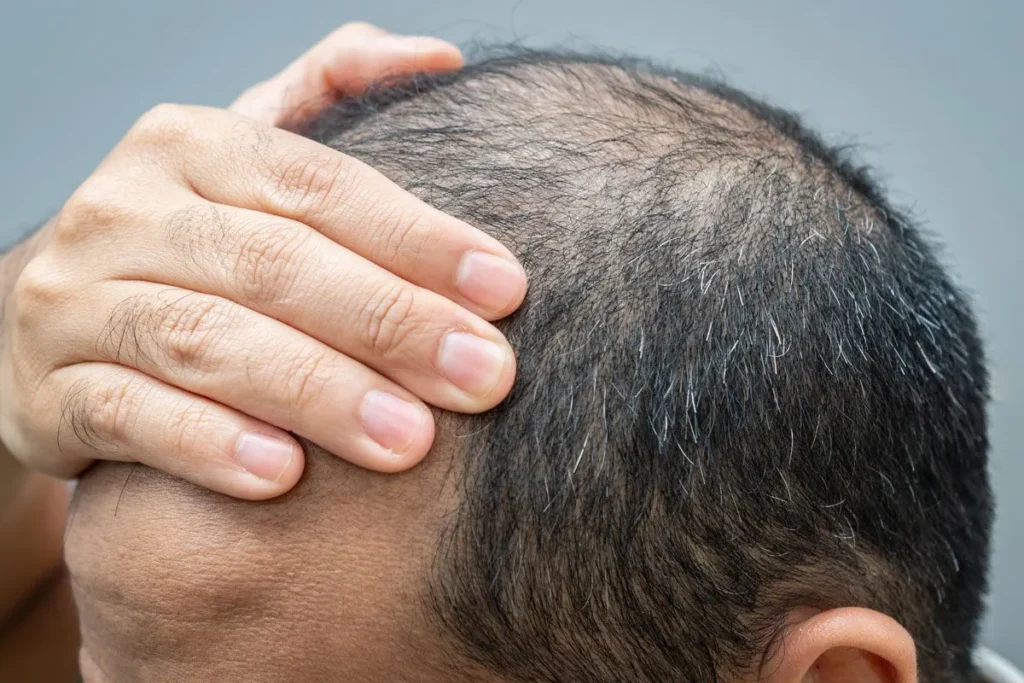
Even before a full bald spot appears, subtle clues can signal that you might go bald in the near future. One of the earliest indicators is an increase in hair shedding during washing or brushing—often referred to as “telogen effluvium.” If you notice more than 100 hairs lost per day, it may be time to investigate further.
Other warning signs include:
- Thinning at the temples or crown while the rest of the scalp looks dense.
- Visible scalp through the hair, especially under bright lighting.
- Itchy or flaky scalp, which can indicate inflammation that accelerates loss.
- Changes in hair texture, such as becoming finer or more brittle.
These symptoms often precede noticeable baldness by months or even years. Keeping a simple hair diary—recording daily shedding counts and any scalp discomfort—provides valuable data for dermatologists or hair restoration specialists.
Below is a checklist you can use to self‑monitor:
- Count hairs lost during a typical shower (aim for less than 50).
- Inspect the scalp in natural light weekly.
- Note any new itchiness, redness, or scaling.
- Track changes in hair thickness with a magnifying lens.
By systematically observing these early signs, you can answer how can you tell if you will go bald with greater confidence and act before significant thinning occurs.
Genetic and Hormonal Factors Behind Balding
Genetics play a dominant role in determining how can you tell if you will go bald. If close relatives experienced early hair loss, the likelihood of inheriting a similar pattern rises dramatically. Specific genes, such as AR (androgen receptor) and those influencing the production of dihydrotestosterone (DHT), are closely linked to androgenetic alopecia.
Hormonal fluctuations also impact hair cycles. Elevated DHT binds to hair follicles, shortening the growth phase (anagen) and leading to miniaturization. This process is why men often notice a receding hairline in their 20s, while women may experience diffuse thinning during menopause when estrogen levels drop.
Genetic testing kits can identify susceptibility markers, but a professional scalp analysis offers a more comprehensive view. Dermatologists may also perform a pull test, examining how many hairs come out with gentle traction—a quick way to gauge follicular health.
Consider this simplified genetic risk table:
| Family History | Risk Increase |
|---|---|
| Father bald before 30 | 70% higher |
| Mother with early thinning | 40% higher |
| No known family history | Baseline |
Understanding your genetic backdrop equips you with realistic expectations and helps you decide whether preventive medication, like finasteride or minoxidil, or a more permanent solution such as a hair transplant is appropriate.
Lifestyle and Environmental Influences on Hair Health
While genetics set the stage, everyday choices can accelerate or slow the process of going bald. Nutritional deficiencies—particularly iron, zinc, and biotin—are common culprits behind increased shedding. A diet rich in lean proteins, leafy greens, and omega‑3 fatty acids supports robust follicle activity.
Stress is another major factor. Chronic cortisol elevation can push hair follicles into the telogen phase, resulting in noticeable thinning. Regular exercise, mindfulness practices, and adequate sleep help mitigate this effect.
Environmental exposures, such as harsh chemicals in hair styling products, excessive heat from straighteners, and UV radiation, can damage the cuticle and weaken strands. Opt for sulfate‑free shampoos, limit heat styling, and protect the scalp with a hat or sunscreen when outdoors.
Below is a lifestyle checklist to reduce the risk of premature baldness:
- Consume a balanced diet with at least 0.8 g protein per kilogram of body weight daily.
- Include foods high in iron (spinach, lentils) and zinc (pumpkin seeds, nuts).
- Practice stress‑relief techniques at least three times a week.
- Avoid tight hairstyles that pull on the scalp.
- Limit use of high‑heat styling tools to once a week.
- Protect scalp from sun exposure with SPF‑rated sprays.
By aligning your daily habits with these recommendations, you can answer the central question more proactively and possibly delay the onset of visible baldness.
When to Seek Professional Evaluation
Even with diligent self‑monitoring, there comes a point when professional assessment becomes essential. If you notice any of the following, it’s time to consult a hair restoration specialist:
- Persistent shedding exceeding 100 hairs per day for more than two weeks.
- Rapidly expanding bald patches or sudden hair loss.
- Scalp irritation, redness, or unexplained itching.
- Family history of early baldness combined with emerging symptoms.
A qualified clinic will perform a comprehensive examination that may include dermatoscopy, blood tests to rule out thyroid or hormonal imbalances, and a discussion of potential treatments ranging from topical solutions to advanced procedures like Follicular Unit Extraction (FUE) or Direct Hair Implantation (DHI).
Early intervention not only improves the success rate of hair transplant surgeries but also expands the range of non‑surgical options that can preserve existing follicles. At Gold City Hair, we tailor each plan to the individual’s pattern, cause, and aesthetic goals, ensuring a transparent and personalized journey.
Why Choose Gold City Hair
Gold City Hair has been delivering personalized hair restoration solutions in Turkey since 2017. Our team combines expertise in FUE, DHI, and eyebrow or beard transplants with a commitment to transparent communication and patient‑centered care. We tailor each treatment to your unique hair loss pattern, ensuring natural‑looking results that restore confidence.
Ready to take control of your hair future? Contact Gold City Hair today for a confidential consultation and discover the most effective path to lasting fullness.
Take the first step toward a fuller, healthier scalp—schedule your appointment now.
FAQ
How can I tell if I will go bald?
Look for early signs such as increased shedding, thinning at the temples or crown, and a visible scalp under bright light.
What are the common patterns of hair loss?
The main patterns are androgenetic alopecia, alopecia areata, and traction alopecia.
Do genetics determine if I will go bald?
Yes, family history and specific genes like AR and those affecting DHT increase the risk.
Can lifestyle choices affect baldness?
Lifestyle factors like nutrition, stress, and harsh hair treatments can accelerate hair loss.
When should I see a hair restoration specialist?
Seek professional help if shedding exceeds 100 hairs daily for two weeks, or if you notice rapid bald patches, scalp irritation, or a strong family history.
What makes Gold City Hair different from other clinics?
Gold City Hair offers personalized FUE, DHI, and eyebrow/beard transplants with transparent communication and a patient‑centered approach.





