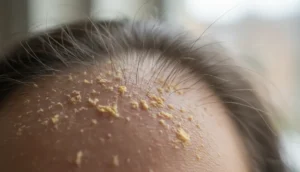
Understanding how to prevent hair fall and baldness is the first step toward maintaining a full, healthy head of hair throughout life. Millions of people worldwide experience thinning hair, and early intervention can make a decisive difference. In this article we explore the science behind hair loss, practical lifestyle adjustments, effective scalp care routines, and the latest medical options that support hair preservation.
Hair loss affects both men and women, with androgenetic alopecia (commonly known as male or female pattern baldness) accounting for the majority of cases. However, factors such as stress, nutrition, and improper hair care can accelerate the process. By addressing these contributors early, you can significantly reduce the risk of progressing to noticeable baldness.
We will guide you through evidence‑based strategies, debunk common myths, and highlight why a professional clinic like Gold City Hair can be an essential partner when preventive measures need to be supplemented with advanced treatments.
Understanding the Causes of Hair Loss
Before you can effectively stop hair shedding, it’s important to recognize the underlying mechanisms. Hair follicles go through a growth cycle consisting of anagen (growth), catagen (transition), and telogen (resting) phases. Disruptions in this cycle lead to increased shedding and eventual thinning.
Genetic Factors
Genetics play a pivotal role in hair loss. If close relatives experienced early balding, you may inherit a predisposition to androgenic alopecia. The hormone dihydrotestosterone (DHT) binds to follicle receptors, shortening the anagen phase and causing miniaturization of hair shafts.
Hormonal Influences
Hormonal fluctuations, especially during puberty, pregnancy, menopause, or thyroid disorders, can trigger temporary or permanent hair thinning. Conditions such as polycystic ovary syndrome (PCOS) often lead to increased androgen levels, contributing to female pattern baldness.
- Family history of baldness
- Elevated DHT levels
- Thyroid imbalances
- Stress‑induced hormonal spikes
| Type of Alopecia | Primary Cause | Typical Pattern |
|---|---|---|
| Androgenetic Alopecia | Genetic & hormonal | Receding hairline, crown thinning |
| Alopecia Areata | Autoimmune | Patchy hair loss |
| Traction Alopecia | Mechanical stress | Fringe and temples |
| Telogen Effluvium | Stress or illness | Diffuse shedding |
Recognizing which type you are dealing with helps tailor preventive measures. While genetics cannot be changed, many other triggers are modifiable, offering a realistic pathway to slow or halt the progression of hair loss.

Lifestyle Changes That Support Hair Health
Everyday habits have a profound impact on the health of your follicles. Adjusting diet, managing stress, and avoiding harmful practices can create an internal environment that favors hair retention.
Nutrition for Strong Hair
Hair is primarily made of keratin, a protein that requires specific nutrients to be synthesized efficiently. Deficiencies in iron, zinc, vitamin D, and biotin are frequently linked to increased shedding.
- Protein‑rich foods: lean meats, fish, legumes, and dairy provide essential amino acids.
- Iron sources: spinach, lentils, and red meat help maintain oxygen delivery to follicles.
- Omega‑3 fatty acids: salmon, walnuts, and flaxseeds reduce inflammation that can damage scalp tissue.
- Antioxidants: berries, green tea, and dark chocolate protect against oxidative stress.
Stress Management Techniques
Chronic stress elevates cortisol, which can push a larger proportion of hair follicles into the telogen phase, resulting in telogen effluvium. Incorporating relaxation practices can mitigate this effect.
- Mindfulness meditation – 10 minutes daily
- Regular aerobic exercise – improves circulation
- Adequate sleep – 7‑9 hours per night
- Deep‑breathing exercises before bedtime
By combining a balanced diet with effective stress‑reduction strategies, you create a robust foundation that makes it easier to prevent hair fall and baldness over the long term.
Effective Scalp Care and Daily Habits
Proper scalp hygiene and gentle handling of hair are essential components of a preventive regimen. The scalp acts as the foundation for follicle health, and irritation or blockage can accelerate shedding.
Gentle Cleansing Practices
Choosing the right shampoo and washing technique can prevent unnecessary friction. Look for sulfate‑free formulas that maintain the scalp’s natural oil balance.
- Massage the scalp with fingertips, not nails.
- Rinse with lukewarm water to avoid stripping oils.
- Limit washing to 2‑3 times per week for most hair types.
Scalp Massage and Stimulation
Regular scalp massage enhances blood flow, delivering oxygen and nutrients to follicles. A simple 5‑minute routine using circular motions can be performed while conditioning.
- Apply a few drops of a light carrier oil (e.g., jojoba).
- Use fingertips to massage in small circles, moving from the front to the back of the head.
- Finish with a cool water rinse to close pores.
In addition to these habits, avoid tight hairstyles that cause traction alopecia, and limit the use of high‑heat styling tools which can weaken hair shafts.
| Do | Don’t |
|---|---|
| Use a wide‑tooth comb on wet hair | Brush aggressively when hair is wet |
| Apply a light, natural oil for massage | Apply heavy, greasy products daily |
| Sleep on a silk pillowcase | Sleep on rough cotton fabrics |
| Trim split ends regularly | Shave or cut hair excessively to “fix” thinning |
These practical steps form a daily regimen that supports follicle vitality and helps you prevent hair fall and baldness without resorting to invasive measures.
Medical and Cosmetic Options for Prevention
When lifestyle modifications alone are insufficient, several clinically proven treatments can help preserve existing hair and stimulate new growth. These options are most effective when used early in the hair‑loss timeline.
Topical Treatments
Minoxidil (2% for women, 5% for men) is an FDA‑approved topical solution that prolongs the anagen phase. Consistent twice‑daily application can increase hair density over several months.
Oral Supplements and Medications
Finasteride, a prescription pill for men, works by inhibiting the conversion of testosterone to DHT. For women, low‑dose oral contraceptives or anti‑androgen medications may be recommended under medical supervision.
| Treatment | Mechanism | Typical Use | Potential Side Effects |
|---|---|---|---|
| Minoxidil | Vasodilation, prolongs anagen | Topical, twice daily | Scalp irritation, unwanted facial hair |
| Finasteride | DHT inhibition | Oral, 1 mg daily | Sexual dysfunction, mood changes |
| Low‑Level Laser Therapy | Photobiomodulation | Device‑based, 3‑4 times/week | Rare eye strain |
| Platelet‑Rich Plasma (PRP) | Growth factor delivery | In‑office injections, every 3‑4 months | Temporary redness, swelling |
While these treatments can slow or reverse thinning, they are most successful when combined with the lifestyle and scalp‑care practices outlined earlier. Consulting a qualified specialist ensures you select the safest and most appropriate regimen for your specific condition.
Myths and Misconceptions About Hair Loss Prevention
Many popular beliefs about preventing baldness lack scientific support, leading people to waste time and money on ineffective solutions.
Shampoo Myths
Some claim that daily shampooing causes hair loss by stripping natural oils. In reality, gentle cleansing removes excess sebum and pollutants that can clog follicles. The key is using a suitable, mild formula.
Cutting Hair Frequently
Regular trims improve the appearance of hair by removing split ends, but they do not affect the root or follicle health. Hair growth originates from the scalp, not the shaft.
- Myth: Wearing hats causes baldness – False. Hats only affect hair if they cause constant friction.
- Myth: “Miracle” supplements guarantee regrowth – False. Only clinically validated ingredients show measurable benefits.
- Myth: Stress alone causes permanent baldness – Partially true. Stress can trigger telogen effluvium, which is usually reversible.
By separating fact from fiction, you can focus on strategies that truly help you prevent hair fall and baldness, ensuring resources are directed toward proven solutions.
Why Choose Gold City Hair
Gold City Hair has been delivering personalized hair restoration solutions since 2017, combining the latest scientific techniques with a patient‑first approach. Our team of experienced surgeons specializes in FUE, DHI, and eyebrow or beard transplants, ensuring natural‑looking results tailored to each individual. Transparent communication, detailed pre‑procedure consultations, and post‑treatment support make us a trusted partner for anyone seeking lasting hair confidence.
Ready to take control of your hair health? Contact Gold City Hair today for a personalized assessment and discover the most effective plan to keep your hair strong and vibrant. Your journey to confidence starts now—schedule your consultation!
FAQ
What are the main causes of hair loss?
Hair loss is mainly caused by genetics, hormonal changes, stress, nutritional deficiencies, and certain medical conditions.
How can diet help prevent hair fall and baldness?
A balanced diet rich in protein, iron, omega‑3s, and antioxidants supports healthy hair growth and reduces shedding.
What scalp care practices are most effective for preventing hair loss?
Gentle cleansing, regular scalp massage, and avoiding harsh chemicals or tight hairstyles are key scalp care practices.
Are there medical treatments that can stop hair thinning?
Yes, FDA‑approved treatments like minoxidil and prescription options such as finasteride can slow or reverse thinning when used early.
Can stress cause permanent baldness?
Stress can trigger temporary shedding called telogen effluvium, but it rarely leads to permanent baldness unless other factors are present.
What common myths about hair loss prevention are false?
Myths such as daily shampoo causing baldness, frequent haircuts preventing loss, and miracle supplements guaranteeing regrowth are not supported by science.