Many people wonder how to stop balding before the thinning becomes noticeable. Hair loss affects millions worldwide, and early intervention can make a significant difference. In this article we explore practical steps, medical options, and lifestyle adjustments that help preserve existing hair and stimulate new growth.
According to recent studies, up to 40% of men begin experiencing male pattern baldness by age 30, while women often notice thinning in their 40s. Understanding the underlying causes—whether hormonal, genetic, or environmental—allows you to choose the most effective solution.
We’ll cover everything from over‑the‑counter hair growth products and supplements to clinically proven treatments such as finasteride and minoxidil, and we’ll explain when a hair transplant might be the right choice. Let’s start the journey toward a fuller, healthier head of hair.
Understanding the Causes of Hair Loss
Before you can effectively stop balding, it’s essential to identify what’s driving the loss. The most common factors include genetics, hormonal changes, nutritional deficiencies, stress, and certain medical conditions.
Genetic Predisposition
Hereditary patterns, often referred to as androgenetic alopecia, are responsible for the majority of male and female hair thinning. The hormone dihydrotestosterone (DHT) shrinks hair follicles, shortening the growth phase and leading to finer strands.
Hormonal Influences
Women may experience hair loss after pregnancy, menopause, or thyroid disorders. In men, elevated DHT levels are the primary hormonal trigger.
Nutritional Deficiencies
Lack of essential vitamins and minerals—especially iron, zinc, biotin, and vitamin D—can weaken hair shafts and impede growth. Incorporating a balanced diet or targeted hair growth supplements can mitigate these effects.
Stress and Lifestyle
Chronic stress pushes hair follicles into a resting phase, causing diffuse shedding known as telogen effluvium. Managing stress through exercise, meditation, and adequate sleep supports overall hair health.
- Identify family history of baldness
- Check thyroid and hormone levels
- Assess diet for key nutrients
- Implement stress‑reduction techniques
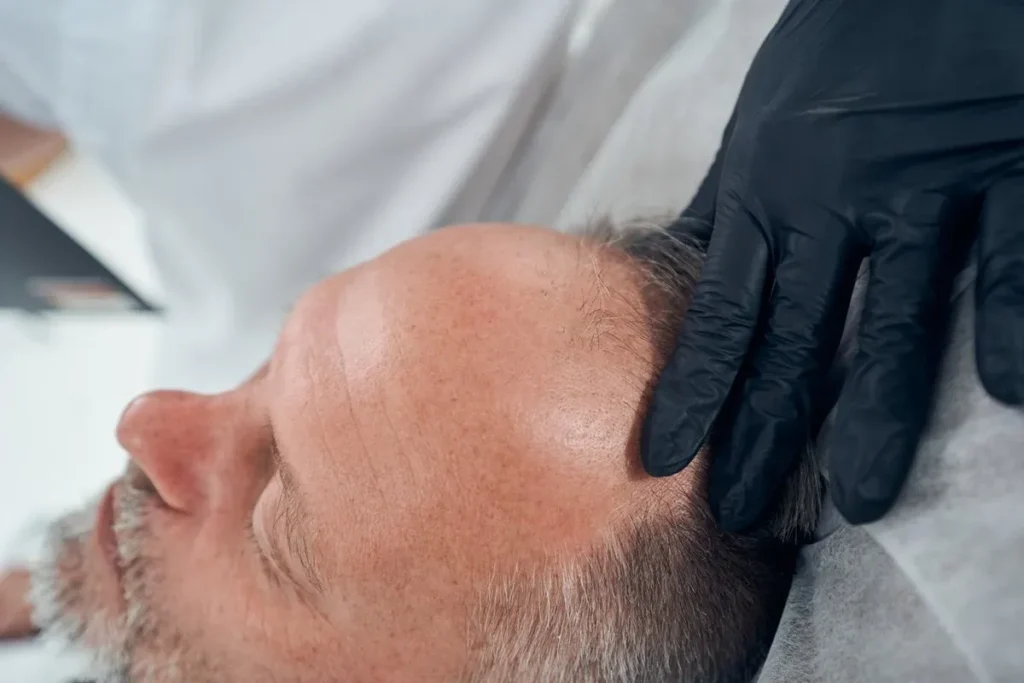
Topical and Oral Treatments: What Works Best?
When it comes to stopping balding, topical solutions and oral medications are often the first line of defense. They are widely available and can be used in combination for synergistic effects.
Minoxidil
Minoxidil, sold under various brand names, is a topical solution that widens blood vessels in the scalp, enhancing nutrient delivery to follicles. Clinical trials show that consistent use can increase hair density by up to 30% over a year.
Finasteride
Finasteride is an oral prescription that blocks the conversion of testosterone to DHT. It is especially effective for men with male pattern baldness, slowing progression and promoting regrowth in many cases.
Hair Growth Supplements
Supplements containing biotin, collagen, saw‑tooth oak, and marine extracts have gained popularity. While not a miracle cure, they can fill nutritional gaps that impede hair growth.
| Product Type | Key Benefits | Typical Use |
|---|---|---|
| Minoxidil (Topical) | Stimulates follicles, increases scalp circulation | Apply twice daily to dry scalp |
| Finasteride (Oral) | Reduces DHT, slows hair loss | Take 1 mg daily with water |
| Hair Growth Supplements | Provides essential nutrients, supports overall health | One capsule daily with meals |
For women, low‑dose oral minoxidil and specialized hair loss treatment for women formulations are often recommended, as finasteride is not typically prescribed.
Advanced Medical Options: When to Consider a Hair Transplant
Topical and oral therapies work well for early‑stage thinning, but for many individuals with advanced balding, a hair transplant offers a permanent solution. Modern techniques such as Follicular Unit Extraction (FUE) and Direct Hair Implantation (DHI) provide natural‑looking results with minimal downtime.
FUE (Follicular Unit Extraction)
FUE involves harvesting individual follicular units from a donor area—usually the back of the scalp—and implanting them into thinning zones. The method leaves tiny, almost invisible scars and allows patients to resume normal activities within a few days.
DHI (Direct Hair Implantation)
DHI uses a specialized pen to place grafts directly into the scalp without creating pre‑made incisions. This can improve graft survival rates and produce a denser appearance, especially in the crown area.
Who Is a Good Candidate?
Ideal candidates have sufficient donor hair, realistic expectations, and a stable pattern of hair loss. A thorough consultation with a qualified surgeon will assess scalp laxity, hair density, and overall health.
- Stable hair loss for at least 12 months
- Adequate donor area (typically the occipital region)
- No uncontrolled medical conditions
- Commitment to post‑procedure care
While a transplant is a significant investment, many patients view it as a long‑term “baldness therapy” that restores confidence and eliminates the need for ongoing medication.
Lifestyle Adjustments That Support Hair Health
Beyond medical interventions, everyday habits play a crucial role in preventing further hair loss. Simple changes can enhance scalp circulation, reduce inflammation, and create an environment where hair can thrive.
Nutrition and Hydration
Eat a diet rich in lean proteins, omega‑3 fatty acids, and antioxidant‑dense fruits and vegetables. Foods like salmon, walnuts, spinach, and berries supply nutrients that strengthen hair shafts.
Scalp Care Routine
Gentle cleansing with a sulfate‑free shampoo prevents follicle irritation. Periodic scalp massage with a few drops of rosemary or peppermint oil can improve blood flow and stimulate follicles.
Avoiding Harmful Practices
Limit heat styling, tight hairstyles, and harsh chemical treatments. These can cause mechanical stress and lead to breakage, worsening the appearance of thinning hair.
| Habit | Positive Impact | Implementation Tip |
|---|---|---|
| Balanced Diet | Provides essential nutrients for hair growth | Include fish, nuts, leafy greens daily |
| Scalp Massage | Boosts circulation, promotes follicle health | 5 minutes each evening with light pressure |
| Stress Management | Reduces telogen effluvium risk | Practice meditation or yoga 3 times per week |
Combining these lifestyle tweaks with appropriate treatments creates a comprehensive plan that tackles hair loss from multiple angles.
Choosing the Right Path: Personalized Plan for Stopping Balding
There is no one‑size‑fits‑all answer to how to stop balding. The optimal approach depends on age, gender, degree of hair loss, and personal preferences. Below is a step‑by‑step framework to help you decide.
- Assess the cause. Schedule a dermatologist or trichologist evaluation to pinpoint hormonal, nutritional, or stress‑related factors.
- Start with low‑risk options. Incorporate a balanced diet, scalp care routine, and over‑the‑counter hair growth products such as minoxidil.
- Consider prescription medication. If results are modest after three months, discuss finasteride (for men) or specialized female formulations with your doctor.
- Evaluate surgical solutions. For moderate to severe thinning, book a consultation with an experienced hair transplant clinic to explore FUE or DHI.
- Monitor progress. Keep a photo diary and track hair density changes every 3‑4 months to adjust the plan as needed.
Remember that early intervention yields the best outcomes. Even if you’re already experiencing noticeable bald spots, combining medical treatments with lifestyle changes can halt further loss and, in many cases, stimulate regrowth.
Why Choose Gold City Hair
Gold City Hair has been delivering personalized hair restoration solutions in Turkey since 2017. Our team specializes in advanced FUE and DHI techniques, ensuring natural‑looking results with minimal downtime. We prioritize transparent communication, creating a comfortable experience from the first consultation through post‑procedure follow‑up. Trust a clinic that combines medical expertise with a commitment to restoring confidence.
Ready to take the first step toward stopping balding? Contact Gold City Hair today to schedule your personalized assessment and explore the most effective treatment plan for you.
FAQ
What are the main causes of hair loss?
Hair loss is primarily caused by genetics, hormonal changes, nutritional deficiencies, stress, and certain medical conditions.
How does minoxidil work to stop balding?
Minoxidil widens scalp blood vessels, improving nutrient delivery to hair follicles and stimulating growth.
Is finasteride effective for women with hair loss?
Finasteride is generally not prescribed for women because it can cause hormonal side effects, though low‑dose options exist under specialist supervision.
What is the difference between FUE and DHI hair transplant techniques?
FUE extracts individual follicles and implants them after creating recipient sites, while DHI uses a pen to place grafts directly without pre‑made incisions.
Which lifestyle changes can help prevent further hair loss?
A balanced diet, regular scalp massage, stress reduction, adequate sleep, and gentle hair care can all support hair health.
How can I create a personalized plan to stop balding?
Start with a professional assessment, adopt low‑risk lifestyle and topical options, consider prescription meds if needed, and evaluate surgical solutions for advanced loss.