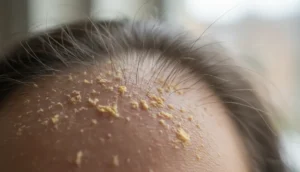
Menopause hair loss treatment can feel overwhelming, but understanding the underlying causes empowers you to choose the right solution. As estrogen levels decline, many women notice increased hair thinning and a shift in texture, often leading to concerns about self‑confidence. Recent studies show that up to 40 % of women experience noticeable hair loss during the menopausal transition, making it a common yet under‑discussed issue.
In this article we will explore the hormonal mechanisms behind hair loss, review non‑surgical options such as supplements and lifestyle changes, and explain when a hair transplant may be the most effective route. You will also learn how to evaluate clinics, what to expect during a procedure, and how to maintain healthy results after treatment.
Whether you are looking for a simple daily regimen or a more permanent restoration, the information here will help you navigate the landscape of menopause hair loss treatment with confidence.
Understanding Hormonal Changes and Hair Loss During Menopause
The menopausal transition triggers a complex hormonal shift, primarily characterized by a drop in estrogen and a relative increase in androgens. This imbalance shortens the anagen (growth) phase of the hair cycle, causing strands to shed more quickly and new growth to become finer.
Key factors include:
- Reduced estrogen, which normally supports hair follicle health.
- Elevated dihydrotestosterone (DHT), a potent androgen that can miniaturize follicles.
- Changes in blood circulation that affect nutrient delivery to the scalp.
These physiological changes often manifest as diffuse thinning on the crown and frontal scalp, resembling androgenetic alopecia patterns typically seen in men. However, unlike male‑pattern baldness, women may retain their hairline while experiencing overall volume loss.
It is also important to differentiate menopause‑related thinning from other conditions such as alopecia areata or traction alopecia. While autoimmune alopecia presents with distinct patches, menopause‑related loss is usually uniform.
Non‑Surgical Options: Medications, Supplements, and Lifestyle Adjustments
Before considering surgery, many women explore medical and lifestyle approaches that can slow or reverse hair loss. These options are often the first line of menopause hair loss treatment and can be combined for synergistic effects.
Prescription Medications
Finasteride and low‑dose oral contraceptives can reduce DHT activity, while topical minoxidil (2 % or 5 %) stimulates follicle enlargement. Although originally approved for male pattern baldness, minoxidil has proven efficacy in women when used consistently for at least six months.
Supplements and Nutraceuticals
Products like Nutrafol contain botanicals, antioxidants, and marine complex that target inflammation and hormonal balance. Clinical trials report modest improvements in hair density after three to six months of use. Other supportive nutrients include biotin, zinc, iron, and vitamin D, all essential for healthy hair growth.
Lifestyle Modifications
Stress management, regular exercise, and a balanced diet rich in omega‑3 fatty acids can improve scalp circulation and reduce oxidative stress. Avoiding tight hairstyles and harsh chemical treatments also minimizes mechanical damage that can exacerbate thinning.
| Option | Typical Use | Potential Benefits |
|---|---|---|
| Minoxidil | Topical, twice daily | Stimulates follicle growth, prolongs anagen phase |
| Finasteride | Oral, 1 mg daily | Reduces DHT levels, slows follicle miniaturization |
| Nutrafol (Women) | Oral supplement, daily | Addresses hormonal, stress, and nutritional factors |
| Iron & Vitamin D | Dietary or supplemental | Corrects deficiencies that can cause shedding |
When Hair Transplant Becomes a Viable Solution for Post‑Menopausal Women
For many women, especially those with advanced thinning, a hair transplant offers a permanent restoration that medication alone cannot achieve. Modern techniques such as Follicular Unit Extraction (FUE) and Direct Hair Implantation (DHI) provide natural‑looking results with minimal scarring.
Key considerations before opting for a transplant include:
- Stable hormonal environment – ensuring menopause‑related shedding has plateaued.
- Donor hair quality – sufficient density in the occipital region to supply grafts.
- Realistic expectations – understanding that transplanted hair will grow in its new location but will retain the characteristics of the donor area.
Studies indicate that women who undergo FUE after menopause experience an average increase of 30–45 % in hair density within the first year, with continued improvement as the grafts mature.
It is also essential to address any underlying conditions, such as iron deficiency or thyroid imbalance, before surgery. A comprehensive pre‑operative assessment helps optimize graft survival and overall outcomes.
Choosing the Right Clinic and What to Expect from a Procedure
Selecting a reputable clinic is a critical step in the menopause hair loss treatment journey. Look for surgeons with extensive experience in female hair restoration, transparent communication, and a track record of published results.
Evaluation Process
A thorough consultation typically includes:
- Medical history review, focusing on hormonal status and previous treatments.
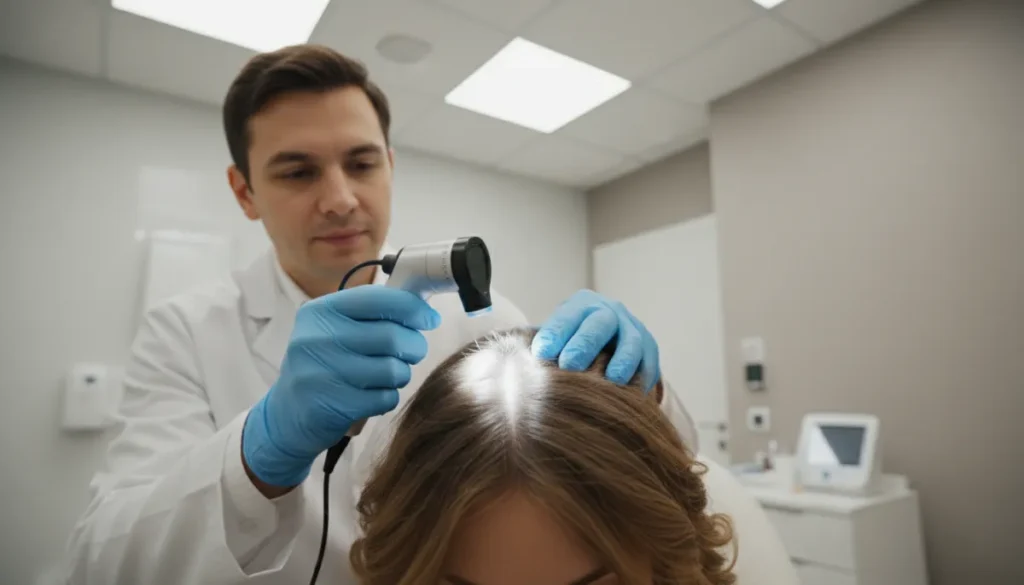
- Scalp examination and digital imaging to map existing density.
- Discussion of realistic goals and potential risks.
Procedure Overview
During an FUE session, individual follicular units are harvested from the donor area using a micro‑punch device (0.8‑1.0 mm). The grafts are then implanted into pre‑planned recipient sites at a natural angle and density. The entire process may last 6‑10 hours depending on the number of grafts.
Post‑Operative Care
Patients are advised to keep the scalp clean, avoid direct sun exposure for two weeks, and follow a gentle washing routine. Mild pain or swelling is normal and typically resolves within a few days.
| Stage | Typical Duration | Key Instructions |
|---|---|---|
| Pre‑Op Consultation | 1 hour | Provide full medical history, discuss expectations |
| Extraction & Implantation | 6‑10 hrs | Stay still, follow surgeon’s guidance |
| Initial Recovery | 7‑10 days | Gentle washing, avoid strenuous activity |
| Growth Phase | 3‑12 months | Patience, follow post‑care regimen |
Post‑Procedure Care and Maintaining Results
Successful outcomes depend not only on surgical skill but also on diligent after‑care. The first three months are crucial as transplanted follicles enter the resting (telogen) phase before shedding and re‑growing new hair.
Nutrition and Supplements
Continuing with a balanced diet rich in protein, omega‑3 fatty acids, and vitamins B, C, and E supports follicle health. Many patients find that maintaining a supplement regimen like Nutrafol for Women helps sustain the new growth.
Scalp Health
Regular gentle scalp massages improve blood flow, while mild, sulfate‑free shampoos keep the area clean without irritating the grafts. Avoiding harsh chemicals and heat styling reduces the risk of damage.
Monitoring and Follow‑Up
Scheduled follow‑up visits allow the surgeon to assess graft survival and address any concerns. Photographic documentation at 3, 6, and 12 months provides objective evidence of progress.
With proper care, most women experience a noticeable increase in density and confidence, turning a challenging phase of menopause into an opportunity for renewal.
Why Choose Gold City Hair
Gold City Hair combines cutting‑edge FUE and DHI techniques with a personalized approach that respects each woman’s unique hormonal profile. Since 2017, our Turkish clinic has delivered natural‑looking results for clients worldwide, emphasizing transparent communication, meticulous planning, and post‑procedure support. Our experienced team works closely with you to design a treatment plan that aligns with your goals, ensuring a safe and effective journey toward restored confidence.
Ready to take the next step toward fuller, healthier hair? Contact Gold City Hair today to schedule a confidential consultation and discover the most suitable menopause hair loss treatment for you.
FAQ
What causes hair loss during menopause?
Hair loss during menopause is mainly due to a drop in estrogen and a relative rise in androgens like DHT, which shortens the hair growth phase.
Are over‑the‑counter supplements effective for menopause‑related hair loss?
Supplements like Nutrafol, biotin, zinc, iron, and vitamin D can support hair health, but results vary and they work best alongside other treatments.
How does minoxidil work for women experiencing menopause hair loss?
Minoxidil stimulates follicle enlargement and prolongs the growth phase, helping to increase hair density when used consistently for several months.
When should a woman consider a hair transplant for menopause‑related thinning?
A transplant is advisable when thinning is advanced, hormonal shedding has stabilized, and there is sufficient donor hair density in the occipital scalp.
What should patients expect during the post‑operative care after a hair transplant?
Patients should keep the scalp clean, avoid sun exposure for two weeks, follow gentle washing instructions, and expect mild swelling that resolves in a few days.
Why choose Gold City Hair for menopause hair loss treatment?
Gold City Hair offers specialized female‑focused FUE/DHI techniques, personalized hormonal assessments, and comprehensive after‑care support.