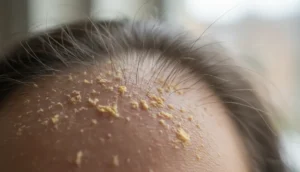
Understanding how to prevent hair loss is the first step toward maintaining a full, healthy head of hair. Millions worldwide face thinning hair or baldness, yet many are unaware that simple daily habits and early interventions can dramatically slow the process. In this article we explore the science behind hair loss, practical lifestyle adjustments, proven medical options, and professional procedures that together form a comprehensive prevention plan. Whether you’re noticing a receding hairline, dealing with androgenetic alopecia, or simply want to protect your existing strands, the strategies below will empower you to take control and preserve your confidence.
Hair loss can stem from genetics, hormonal shifts, stress, nutrition, or even the products you use. By identifying the root causes and applying targeted solutions, you can reduce shedding, strengthen follicles, and promote new growth. Let’s dive into the essential steps you can start today to keep your hair resilient and vibrant.
Understanding the Causes of Hair Loss
Before you can effectively prevent hair loss, it’s important to recognize the underlying factors that trigger shedding. While each individual’s experience is unique, the most common contributors include:
- Genetic predisposition – especially androgenetic alopecia (male or female pattern baldness).
- Hormonal changes – such as those caused by thyroid disorders, pregnancy, or testosterone therapy.
- Autoimmune conditions – like alopecia areata, where the immune system attacks hair follicles.
- Medical treatments – chemotherapy, radiation, and certain medications can accelerate loss.
- Nutritional deficiencies – low iron, zinc, or vitamin D levels weaken hair shafts.
- Physical stress – chronic stress elevates cortisol, disrupting the hair growth cycle.
- Mechanical damage – tight hairstyles, excessive brushing, or harsh chemicals lead to traction alopecia.
Identifying which of these factors applies to you is essential for tailoring a prevention plan. A simple blood test can reveal deficiencies, while a dermatologist can assess hormonal balances and rule out autoimmune causes. Understanding the root cause enables you to choose the most appropriate interventions and avoid unnecessary treatments.
Lifestyle Changes That Support Hair Health
Daily habits have a profound impact on the health of your hair follicles. Even without prescription medication, several lifestyle adjustments can help you prevent hair loss and promote stronger growth.
Nutrition for Stronger Strands
Hair is primarily made of keratin, a protein that requires a steady supply of nutrients. Include these foods in your diet:
- Lean proteins – chicken, fish, legumes, and eggs.
- Omega‑3 fatty acids – salmon, walnuts, and flaxseeds.
- Iron‑rich foods – spinach, lentils, and red meat.
- Biotin and zinc – nuts, seeds, and whole grains.
- Vitamin D – fortified dairy, mushrooms, and sunlight exposure.
Stress Management Techniques
Chronic stress can push hair follicles into the resting phase, leading to increased shedding. Effective stress‑reduction practices include:
- Regular aerobic exercise – at least 30 minutes most days.
- Meditation or deep‑breathing exercises.
- Adequate sleep – 7‑9 hours per night.
- Hobbies and social activities that bring joy.
Healthy Scalp Care
Keeping the scalp clean and well‑moisturized encourages optimal follicle function. Follow these simple rules:
- Wash with a gentle, sulfate‑free shampoo 2‑3 times per week.
- Massage the scalp for 2‑3 minutes while shampooing to boost circulation.
- Avoid excessive heat styling or tight headwear.
These adjustments, when practiced consistently, create an internal environment that supports hair growth and reduces the risk of premature thinning.
Effective Topical and Oral Treatments
When lifestyle changes alone aren’t enough, clinically proven treatments can further help you prevent hair loss. Below is a comparison of the most widely used options.
| Treatment | Type | How It Works | Typical Usage | Key Considerations |
|---|---|---|---|---|
| Minoxidil | Topical | Widens blood vessels, increasing nutrient flow to follicles. | Apply 2 ml to scalp twice daily. | May cause scalp irritation; results appear after 3‑6 months. |
| Finasteride | Oral | Blocks conversion of testosterone to dihydrotestosterone (DHT). | 1 mg tablet daily. | Prescription required; monitor for sexual side effects. |
| Low‑Level Laser Therapy (LLLT) | Device | Stimulates cellular activity in follicles. | 8‑15 min sessions, 3‑4 times per week. | Requires consistent use; safe for most users. |
| Hair Growth Supplements | Oral | Provide biotin, zinc, saw‑tooth oak, and other nutrients. | One capsule daily with food. | Effectiveness varies; best as adjunct to other treatments. |
Topical solutions like minoxidil are often the first line of defense for both men and women, while finasteride remains the most effective oral option for male pattern baldness. Low‑level laser devices offer a non‑invasive alternative, and high‑quality supplements can fill nutritional gaps that contribute to thinning hair. Always consult a healthcare professional before starting any medication, especially if you have underlying health conditions.
Professional Procedures and Early Intervention
For individuals with significant thinning or a family history of rapid balding, early professional intervention can make a lasting difference. Modern clinics offer several minimally invasive procedures that not only restore lost hair but also help prevent further loss by reinforcing existing follicles.
Follicular Unit Extraction (FUE) and Direct Hair Implantation (DHI)
Both FUE and DHI involve harvesting healthy follicles from a donor area—typically the back of the scalp—and implanting them into thinning zones. The key advantages include:
- Natural‑looking results with permanent grafts.
- Minimal scarring compared to older strip methods.
- Quick recovery time—most patients resume normal activities within a week.
Platelet‑Rich Plasma (PRP) Therapy
PRP utilizes your own blood platelets, concentrated and injected into the scalp to stimulate growth factors. It’s especially useful for:
- Early‑stage androgenetic alopecia.
- Strengthening existing grafts after a transplant.
- Improving overall scalp health.
Scalp Micropigmentation (SMP)
While not a hair‑growth technique, SMP creates the illusion of denser hair by tattooing tiny pigment dots. It’s an excellent option for those who prefer a non‑surgical solution to conceal thinning areas.
Choosing the right procedure depends on the severity of loss, donor hair availability, and personal preferences. Consulting with a qualified specialist—such as those at Gold City Hair—ensures a customized plan that maximizes results and minimizes future shedding.
Daily Hair Care Practices to Minimize Breakage
Even with optimal nutrition and medical support, everyday hair care habits can either protect or damage your strands. Implementing gentle techniques helps you prevent hair loss caused by mechanical stress.
Washing and Conditioning
Use lukewarm water and a sulfate‑free shampoo. Follow with a lightweight conditioner applied to the mid‑lengths and ends, avoiding the scalp to prevent buildup.
Combing and Styling
- Detangle with a wide‑tooth comb while hair is damp.
- Avoid tight ponytails, braids, or hair extensions that pull on follicles.
- Limit heat styling tools to no more than twice a week; use a heat protectant spray.
Protective Night Routines
Sleep on a silk or satin pillowcase to reduce friction. Consider loosely tying hair in a soft scrunchie if you have longer locks.
By treating your hair gently each day, you reduce breakage, preserve existing density, and support the overall health of your scalp.
Why Choose Gold City Hair for Your Hair Restoration Journey
Gold City Hair has been delivering personalized hair restoration solutions in Turkey since 2017. Our clinic combines the latest FUE and DHI techniques with a transparent, patient‑focused approach. Every treatment plan is tailored to your unique hair pattern, lifestyle, and goals, ensuring natural‑looking results and lasting confidence. With a dedicated team of experienced surgeons and a commitment to ethical care, we provide a safe, comfortable environment for anyone seeking to prevent further loss or restore a fuller head of hair.
Ready to take the next step toward a healthier scalp? Contact Gold City Hair today to schedule a personalized consultation and discover the best prevention plan for you. Let us help you regain confidence, one strand at a time.
FAQ
What are the main causes of hair loss?
Hair loss can be caused by genetics, hormones, stress, nutrition deficiencies, medical treatments, and mechanical damage.
How can diet help prevent hair loss?
A balanced diet rich in protein, omega‑3s, iron, biotin, zinc and vitamin D supports hair follicle health.
What over‑the‑counter treatments are effective for preventing hair loss?
Minoxidil topical solution and hair‑growth supplements are widely used OTC options.
When should someone consider professional hair restoration procedures?
If thinning is moderate to severe, or if there is a strong family history of rapid balding, early professional intervention is advised.
What daily hair‑care habits help minimize breakage?
Gentle washing, wide‑tooth combing, avoiding tight styles, limited heat, and using silk pillowcases reduce breakage.
Why choose Gold City Hair for hair restoration?
Gold City Hair offers personalized FUE, DHI and PRP treatments with experienced specialists in Turkey since 2017.