Maintaining good scalp health is essential for vibrant hair and overall confidence. A healthy scalp provides the right environment for hair follicles to thrive, reducing issues such as dandruff, itchiness, and hair loss. In this article we explore the most common scalp problems, daily habits, nutrition, professional treatments, and myths that often cloud our understanding of scalp care. By the end, you’ll have a clear roadmap to nurture your scalp and support optimal hair growth.
Did you know that up to 50 % of people experience some form of scalp irritation during their lifetime? Whether it’s flaky dandruff or a persistently dry scalp, these conditions can affect not only comfort but also the appearance of your hair. Understanding the root causes and adopting evidence‑based strategies can dramatically improve both scalp condition and hair density.
We’ll dive into practical steps you can start today, from choosing the right shampoo to incorporating scalp‑friendly nutrients, and we’ll explain when professional care from a qualified specialist is the best option.
Common Scalp Conditions and Their Impact
Several scalp disorders are frequently confused, yet each requires a specific approach. Recognizing the signs early helps prevent progression and supports better hair growth.
Dandruff vs. Dry Scalp
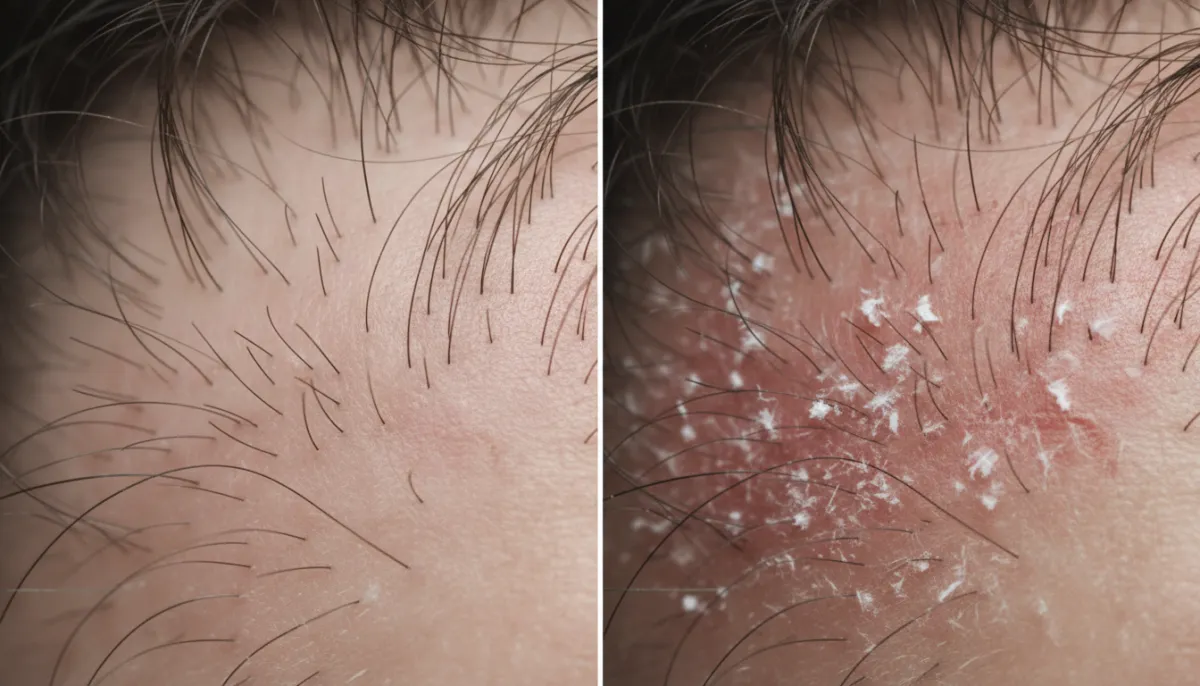
Dandruff is characterized by white or yellowish flakes that often appear oily and may be accompanied by an itchy sensation. It is typically caused by an overgrowth of the yeast Malassezia or excessive sebum production. In contrast, a dry scalp produces smaller, powdery flakes and is usually linked to insufficient moisture, harsh hair products, or environmental factors such as low humidity.
Itchy Scalp and Inflammation
An itchy scalp can stem from allergic reactions, psoriasis, or even stress‑related inflammation. Persistent itch may lead to scratching, which damages the skin barrier and can trigger secondary infections.
Hair Loss and Follicle Miniaturization
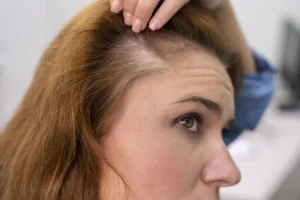
When scalp health deteriorates, hair follicles may enter a prolonged telogen phase, resulting in thinning or patchy hair loss. Conditions like seborrheic dermatitis can exacerbate follicle miniaturization, making early intervention crucial.
- Symptoms of dandruff: oily flakes, itching, occasional redness.
- Symptoms of dry scalp: dry, powdery flakes, tight feeling.
- When to see a dermatologist: persistent itching, swelling, or hair loss.
| Condition | Typical Flake Type | Primary Cause | Recommended First‑Line Treatment |
|---|---|---|---|
| Dandruff | Oily, yellowish | Malassezia overgrowth | Anti‑dandruff shampoo with zinc pyrithione |
| Dry Scalp | Dry, powdery | Lack of moisture, harsh products | Moisturizing shampoo & scalp oil |
| Psoriasis | Silvery, thick patches | Autoimmune response | Topical steroids, medicated shampoo |
Daily Habits for Maintaining a Healthy Scalp
Consistent, gentle care routines are the cornerstone of lasting scalp health. Small adjustments in how you wash, style, and protect your hair can prevent irritation and promote a balanced environment for follicles.
Choosing the Right Shampoo
Look for shampoos that address your specific scalp type. For dandruff, products containing zinc pyrithione, ketoconazole, or selenium sulfide are effective. For a dry scalp, opt for sulfate‑free formulas enriched with aloe vera, glycerin, or natural oils. Avoid excessive use of harsh sulfates, which can strip natural oils and worsen dryness.
Proper Washing Technique
Massage the scalp gently with fingertips, not nails, to stimulate circulation without causing micro‑abrasions. Rinse with lukewarm water; hot water can dehydrate the skin, while cold water may not cleanse effectively. Limit washing to 2–3 times per week unless you have an oily scalp that requires more frequent cleansing.
Scalp Moisturizing and Protection
After washing, apply a lightweight, non‑comedogenic scalp serum or oil (e.g., jojoba, argan, or tea tree oil) to lock in moisture. When exposing your scalp to sun or wind, wear a breathable hat or use a UV‑protective spray designed for the scalp.
- Use a sulfate‑free shampoo for dry scalp.
- Massage gently for 2–3 minutes each wash.
- Apply a scalp serum with natural oils post‑wash.
- Protect from UV with a hat or scalp‑specific sunscreen.
Nutrition and Supplements That Support Scalp Wellness
What you eat directly influences the condition of your skin and scalp. Certain nutrients strengthen the skin barrier, reduce inflammation, and stimulate hair follicles, thereby enhancing overall scalp health.
Key Vitamins and Minerals
Biotin (vitamin B7) supports keratin production, while vitamins A, C, and E act as antioxidants that protect scalp cells from oxidative stress. Zinc and iron are essential for cell turnover and oxygen transport to hair follicles. A deficiency in any of these can manifest as dryness, flaking, or increased shedding.
Omega‑3 Fatty Acids
Omega‑3s, found in fatty fish, flaxseed, and walnuts, help maintain the lipid barrier of the scalp, reducing dryness and inflammation. Regular intake can also alleviate itchiness associated with conditions like seborrheic dermatitis.
Probiotic Support
Emerging research suggests that a balanced gut microbiome can influence scalp conditions by modulating immune responses. Probiotic‑rich foods such as yogurt, kefir, and fermented vegetables may indirectly improve scalp comfort.
| Nutrient | Primary Food Sources | Benefit for Scalp |
|---|---|---|
| Biotin (B7) | Egg yolks, nuts, legumes | Strengthens keratin, reduces breakage |
| Vitamin C | Citrus fruits, berries, bell peppers | Antioxidant, supports collagen |
| Zinc | Pumpkin seeds, oysters, beef | Regulates oil production, fights dandruff |
| Omega‑3 | Salmon, flaxseed, walnuts | Moisturizes scalp, reduces inflammation |
Professional Treatments and When to Seek a Specialist
While daily care and nutrition lay the foundation, certain scalp issues require medical or aesthetic intervention. Knowing when to consult a professional can prevent worsening conditions and accelerate recovery.
Dermatologist or Trichologist Consultation
If you experience persistent itching, redness, or unexplained hair loss, a dermatologist or trichologist can diagnose underlying disorders such as psoriasis, eczema, or androgenetic alopecia. They may prescribe medicated shampoos, topical steroids, or oral treatments tailored to your condition.
Scalp Microneedling
Microneedling creates micro‑channels in the scalp, stimulating blood flow and enhancing the absorption of topical agents. Clinical studies have shown improvements in hair density when combined with minoxidil or platelet‑rich plasma (PRP) therapy.
Hair Transplant Considerations
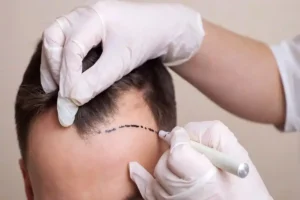
For individuals whose scalp health issues have led to significant hair loss, a hair transplant performed by an experienced clinic like Gold City Hair can restore natural‑looking hair. Techniques such as Follicular Unit Extraction (FUE) and Direct Hair Implantation (DHI) are performed under strict hygiene standards to ensure optimal graft survival.
- Visit a dermatologist for persistent scalp inflammation.
- Consider microneedling to boost circulation and product efficacy.
- Explore hair transplant options if hair loss is advanced.
Myths and Misconceptions About Scalp Care
Misunderstandings about scalp health can lead to ineffective or even harmful practices. Let’s debunk some common myths.
Myth 1: “More Shampoo Means a Cleaner Scalp”
Over‑washing strips natural oils, causing the scalp to overproduce sebum, which can worsen dandruff and dryness. The optimal frequency depends on scalp type, not on a fixed daily schedule.
Myth 2: “All Natural Products Are Safer”
Natural ingredients can still be irritants. Essential oils like peppermint or rosemary are potent and may cause allergic reactions if not diluted properly. Always patch‑test new products.
Myth 3: “Hair Growth Supplements Replace Proper Care”
Supplements can complement a balanced diet but cannot substitute for good scalp hygiene, appropriate product selection, and medical treatment when needed.
- Wash according to scalp needs, not a set schedule.
- Test natural products for sensitivity.
- Combine supplements with proper scalp care.
Why Choose Gold City Hair
Gold City Hair has been delivering personalized hair restoration solutions in Turkey since 2017. Our team of certified specialists combines advanced techniques such as FUE and DHI with a commitment to transparent communication and patient comfort. Whether you need a scalp assessment, medical treatment for dandruff, or a full‑scale hair transplant, we tailor each plan to your unique needs, ensuring optimal results and lasting confidence.
Ready to transform your scalp and rediscover healthy hair? Contact Gold City Hair today to schedule a personalized consultation and take the first step toward lasting scalp health.
FAQ
How can I differentiate dandruff from a dry scalp?
Dandruff produces oily, yellowish flakes and often an itchy feeling, while dry scalp creates small, powdery flakes and a tight sensation.
What daily habits support a healthy scalp?
Gentle washing, using sulfate‑free shampoos, regular scalp massage, and applying lightweight oils after wash are key habits.
Which nutrients and supplements improve scalp health and hair growth?
Biotin, vitamins A, C, E, zinc, iron, omega‑3 fatty acids, and probiotics are beneficial for scalp wellness.
When should I consult a dermatologist or trichologist for scalp problems?
Seek professional help if itching, redness, swelling, or hair loss persists for more than a few weeks.
Does scalp microneedling help with hair loss?
Yes, microneedling creates micro‑channels that boost blood flow and enhance absorption of hair‑growth products.
What are common myths about scalp care?
Myths include that more shampoo equals a cleaner scalp, all natural products are safe, and supplements replace proper scalp hygiene.