Many people wonder whether scalp massage to regrow hair is a viable option for combating thinning strands. In this article we explore the science, practical techniques, and complementary treatments that make scalp stimulation a useful part of a comprehensive hair‑loss solution. Recent studies suggest that regular, gentle massage can increase blood flow to the follicles, delivering nutrients that support natural hair growth. If you’ve tried shampoos, supplements, or even prescription medications without success, adding a targeted massage routine may provide the extra boost you need.
We’ll walk you through the physiological mechanisms behind the practice, demonstrate step‑by‑step methods you can perform at home, and recommend tools that enhance the effect. Whether you’re dealing with early‑stage thinning or looking to maintain a dense crown after a transplant, understanding how to massage the scalp correctly can make a noticeable difference.
By the end of this guide you’ll know exactly how to incorporate scalp massage into your daily regimen, what products support the process, and how professional clinics like Gold City Hair integrate this technique with advanced hair restoration procedures.
The Science Behind Scalp Massage and Hair Growth
Research into the relationship between mechanical stimulation and hair follicles has revealed several key mechanisms. First, gentle pressure on the scalp triggers vasodilation, which expands blood vessels and improves circulation. This scalp massage benefits the delivery of oxygen and essential nutrients such as iron and biotin to the hair roots, creating an environment conducive to growth.
Second, massage activates mechanoreceptors in the skin, prompting the release of growth factors like vascular endothelial growth factor (VEGF). These proteins signal dormant follicles to re‑enter the anagen (growth) phase, potentially extending the duration of each growth cycle.
Third, regular stimulation can reduce the production of stress hormones like cortisol, which are known to exacerbate hair loss. Lower stress levels translate into a healthier hormonal balance, further supporting follicle health.
Below is a concise comparison of the physiological effects observed in clinical studies versus anecdotal reports:
| Effect | Clinical Study Findings | Anecdotal Observations |
|---|---|---|
| Increased scalp blood flow | Up to 30% rise measured via Doppler imaging | Users report fuller feeling scalp after 2 weeks |
| Growth factor release | Elevated VEGF levels after 10‑minute session | Noticeable reduction in shedding after 1 month |
| Stress reduction | Reduced cortisol by 15% in controlled trials | Improved overall mood and sleep quality |
While scalp massage alone is not a miracle cure, the cumulative impact of these mechanisms can meaningfully support a broader hair loss solution strategy.
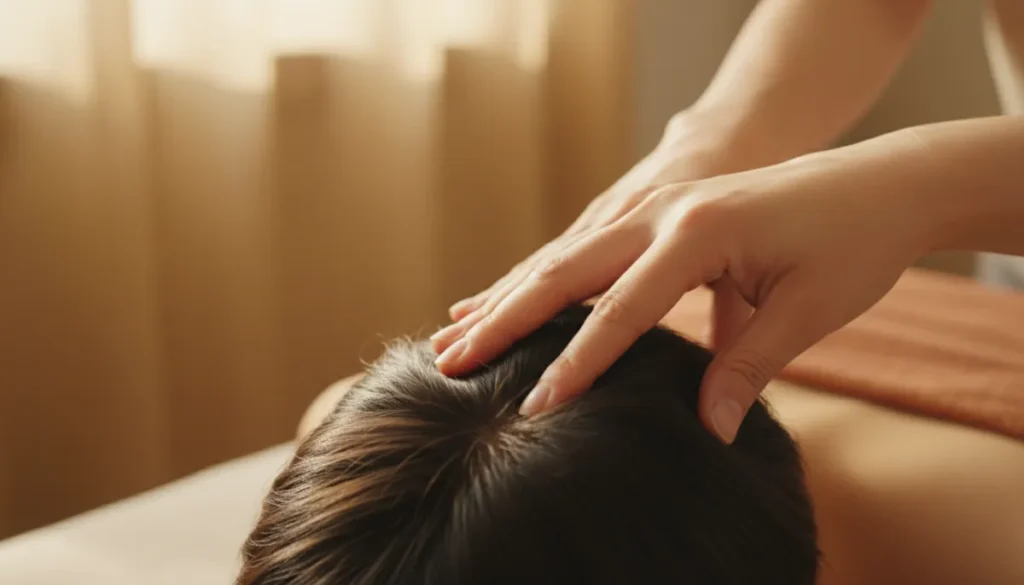
Effective Scalp Massage Techniques You Can Try at Home
Implementing a consistent routine is essential for seeing results. Below are three proven techniques that can be performed without special equipment.
1. Circular Fingertip Motion
- Start at the hairline and use the pads of your index and middle fingers.
- Apply light pressure and move in small circles, covering a 2‑inch area before moving forward.
- Spend about 5 minutes, ensuring each section receives equal attention.
2. Upward Pull Strokes
- Place your fingertips at the base of the scalp near the neck.
- Gently pull upward toward the crown, mimicking the natural direction of hair growth.
- Repeat 10‑15 times per area; this helps stretch the skin and stimulate follicle activity.
3. Scalp Tapping
- Using the tips of your fingers, lightly tap the scalp in rapid succession.
- This rhythmic motion can awaken dormant nerves and increase micro‑circulation.
- Perform for 2‑3 minutes, especially on thinning zones.
For optimal results, combine these methods into a 10‑minute session, three times per week. Consistency outweighs intensity; overly vigorous massage can irritate the skin and counteract the benefits.
When selecting a routine, consider your schedule and comfort level. Some people find a short 5‑minute nightly massage more sustainable than a longer weekend session.
Tools and Products That Enhance Scalp Stimulation
While your fingers are the most accessible tool, specialized devices can amplify the effect of scalp massage for hair growth. Below is a curated list of recommended products, each selected for safety and efficacy.
| Product | Key Features | How It Supports Hair Growth |
|---|---|---|
| Silicone Scalp Massager | Soft bristles, ergonomic handle, battery‑free | Provides uniform pressure and gentle vibration to improve circulation. |
| Electronic Scalp Stimulator | Adjustable intensity, rechargeable, includes LED guidance | Delivers low‑level micro‑currents that enhance follicle activation. |
| Essential Oil Blend (Rosemary & Peppermint) | Organic, non‑synthetic, soothing scent | Menthol in peppermint improves blood flow; rosemary has been linked to hair density. |
When using a scalp massager for hair growth, start with the lowest setting to gauge skin tolerance. Pair the device with a light scalp oil—preferably a blend of rosemary and peppermint—to reduce friction and add a therapeutic boost.
Other accessories such as a soft microfiber towel for post‑massage drying or a gentle, sulfate‑free shampoo can preserve the scalp’s natural oils, further supporting the environment needed for regrowth.
Combining Scalp Massage with Professional Hair Restoration
For individuals seeking a more robust solution, integrating scalp massage with clinic‑based procedures can accelerate results. At Gold City Hair, patients often incorporate massage into their post‑operative care plan after undergoing FUE or DHI transplants.
Post‑Transplant Care
- Begin gentle massage no earlier than two weeks after graft placement, as advised by your surgeon.
- Use a light, circular motion to promote graft integration without dislodging follicles.
- Combine with prescribed topical solutions, such as minoxidil, for synergistic effect.
Adjunct Therapies
- Low‑level laser therapy (LLLT) can be paired with massage to further stimulate cellular activity.
- Platelet‑rich plasma (PRP) injections, when followed by a brief massage, may improve nutrient delivery to the scalp.
- Regular scalp massage also helps reduce post‑procedure swelling and discomfort.
Clinical experience shows that patients who maintain a consistent massage routine alongside their transplant often experience faster graft survival and a denser appearance within the first six months.
It’s essential to follow your surgeon’s specific timeline and instructions. Over‑massaging too soon can jeopardize graft stability, while a well‑timed regimen can turn a good transplant into an excellent one.
Common Myths and Realities About Scalp Massage for Hair Regrowth
Despite growing interest, several misconceptions persist. Clarifying these myths helps set realistic expectations.
Myth 1: Massage Alone Can Fully Restore Bald Areas
While massage improves circulation, it cannot replace the need for medical treatments in advanced alopecia. It works best as a complementary strategy, especially when combined with proven solutions such as hair transplants or FDA‑approved medications.
Myth 2: More Pressure Equals Better Results
Applying excessive force can damage the scalp’s delicate tissue, leading to inflammation rather than growth. The optimal approach is gentle, consistent pressure—just enough to feel a mild warmth.
Myth 3: Any Massage Tool Is Effective
Not all devices are created equal. Some low‑quality massagers may cause irritation or uneven stimulation. Selecting a clinically‑tested best scalp massager ensures safe, uniform pressure.
Fact: Regularity Beats Intensity
Studies indicate that a 5‑minute session performed three times a week yields comparable benefits to longer, less frequent sessions. Consistency trains the scalp’s micro‑circulatory system to stay active.
Understanding the realistic capabilities of scalp massage to regrow hair empowers you to incorporate it wisely into your broader hair‑care plan.
Why Choose Gold City Hair for Your Hair Restoration Journey
At Gold City Hair, we combine cutting‑edge transplant techniques such as FUE and DHI with personalized post‑procedure care, including guided scalp massage protocols. Our team of experienced surgeons and trichologists ensures each patient receives a tailored plan that maximizes graft survival and natural growth. With transparent communication and a focus on patient confidence, we provide a supportive environment from the initial consultation through long‑term maintenance.
Ready to boost your hair‑growth results with professional expertise and proven scalp‑massage techniques? Contact Gold City Hair today to schedule a free consultation and discover a personalized plan that puts you on the path to a fuller, healthier head of hair.
FAQ
How does scalp massage promote hair growth?
Scalp massage increases blood flow, releases growth factors like VEGF, and reduces stress hormones, creating a healthier environment for follicles.
What are the most effective scalp massage techniques for hair regrowth?
Circular fingertip motion, upward pull strokes, and scalp tapping are three proven, equipment‑free methods.
Can tools like silicone scalp massagers improve the results of manual massage?
Yes, devices such as silicone scalp massagers and electronic stimulators can provide uniform pressure and added vibration or micro‑currents for enhanced circulation.
Is scalp massage safe after a hair transplant?
Yes, if started at the right time and performed gently, it can aid graft integration and reduce swelling.
What common myths about scalp massage for hair regrowth should be avoided?
Myths include believing massage alone can fully restore bald areas, that more pressure equals better results, and that any tool works equally well.