When hair loss becomes a visible concern, many turn to scalp therapy for hair loss as a complementary approach to restore density and confidence. Modern clinics in Turkey, especially Gold City Hair, combine science‑backed treatments with personalized care to address thinning hair, receding lines, and bald spots. In fact, studies show that up to 70 % of patients notice measurable improvement after a structured scalp regimen. This article explores the most effective scalp therapies, how they work, and how they can be integrated with surgical solutions for lasting results.
We will walk through the science behind each method, compare non‑surgical options, and help you decide which approach aligns with your hair type and lifestyle. Whether you’re dealing with early‑stage thinning or advanced balding, understanding the full range of scalp treatments empowers you to make an informed choice and achieve the best possible outcome.
Read on to discover the mechanisms, benefits, and practical considerations of the leading scalp therapy techniques available today.
Understanding Scalp Therapy: What It Is and How It Works
Scalp therapy encompasses a variety of non‑invasive procedures designed to stimulate hair follicles, improve blood circulation, and create an optimal environment for hair growth. The core principle is to address the underlying causes of hair loss—such as reduced nutrient delivery, inflammation, and hormonal imbalance—without the need for surgical intervention.
Key mechanisms include:
- Enhanced microcirculation: Techniques like low‑level laser therapy (LLLT) and scalp massage increase blood flow, delivering oxygen and nutrients directly to the follicle.
- Cellular activation: Topical agents such as minoxidil and growth serums trigger the anagen (growth) phase of the hair cycle.
- Reduction of inflammation: Anti‑inflammatory compounds and gentle mechanical stimulation calm scalp irritation that can impede growth.
Popular scalp therapy modalities include:
- Low‑Level Laser Therapy (LLLT) – often referred to as red light therapy.
- Topical solutions – minoxidil, finasteride creams, and natural growth serums.
- Scalp micro‑needling – creates micro‑channels that enhance product absorption.
- Scalp massage and vibration devices – improve circulation and reduce stress‑related hair loss.
- Platelet‑rich plasma (PRP) – uses your own blood components to promote regeneration.
Each method can be tailored to individual needs, making scalp therapy a versatile component of a comprehensive hair restoration plan.
Non‑Surgical Scalp Treatments: Topical Solutions, Laser Therapy, and Massage
For many individuals, non‑surgical scalp treatments provide a convenient and effective way to combat hair loss without the downtime associated with surgery. Below is a comparison of three leading approaches, highlighting their benefits, typical usage, and expected results.
| Treatment | How It Works | Typical Regimen | Expected Results |
|---|---|---|---|
| Topical Solutions | Deliver active ingredients directly to follicles, stimulating the growth phase. | Twice daily application for 3–6 months. | Visible thickening in 4–6 months for many users. |
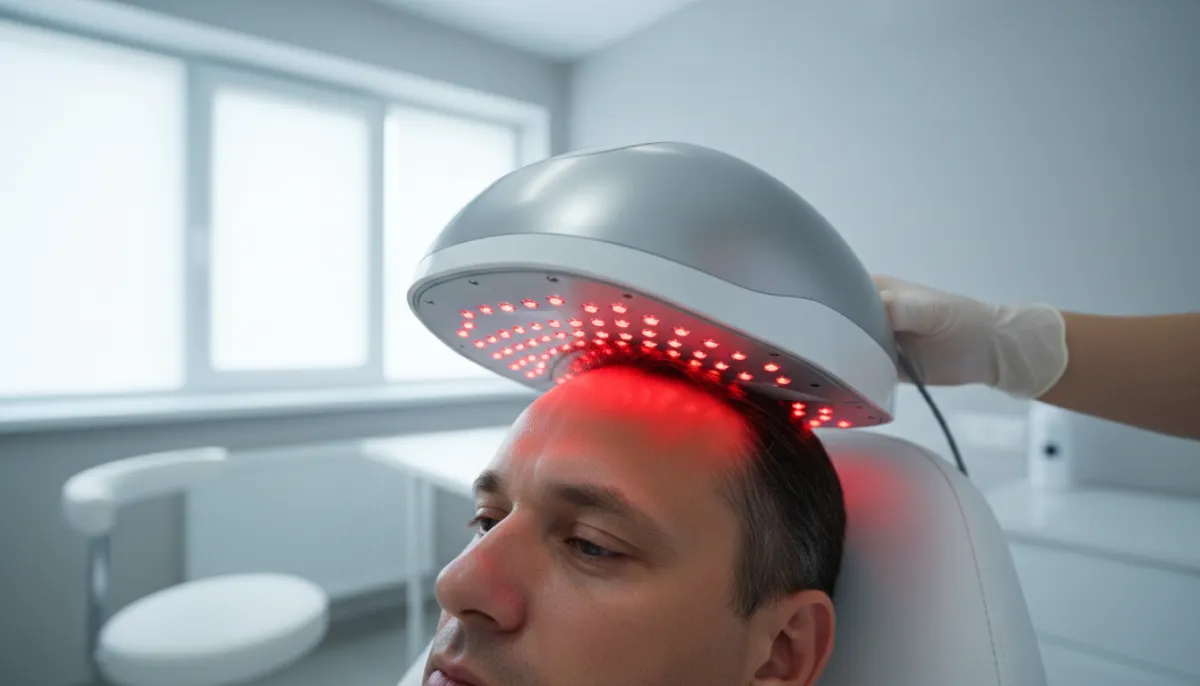
| Low‑Level Laser Therapy | Uses red light wavelengths (630‑660 nm) to enhance cellular metabolism. | 3‑minute sessions, 3‑5 times per week. | Improved density after 12‑24 weeks, especially when combined with other therapies. |
| Scalp Massage | Mechanical stimulation increases blood flow and reduces stress hormones. | 5‑10 minutes daily, using fingers or a dedicated massager. | Gradual improvement; best as a supportive routine. |
Topical solutions such as minoxidil and finasteride for hair loss are FDA‑approved and have decades of clinical data supporting their efficacy. When paired with laser therapy, the two can act synergistically—laser enhances cellular responsiveness while the topical agents supply the necessary growth factors.
Scalp massage, though often overlooked, can be especially beneficial for individuals with early‑stage thinning. Using a silicone‑based scalp massager for a few minutes each day can increase the delivery of nutrients and reduce the production of dihydrotestosterone (DHT) in the scalp, a primary driver of male and female pattern baldness.
When selecting a regimen, consider your lifestyle, budget, and tolerance for daily application. Consistency is crucial; most patients see the best outcomes when they commit to a routine for at least six months.
Combining Scalp Therapy with Hair Transplant Procedures
While scalp therapy alone can yield noticeable improvements, many patients achieve optimal results by integrating these treatments with surgical hair restoration. The combination approach addresses both the existing follicle health and the need for new grafts, leading to a fuller, more natural appearance.
Key ways to integrate include:
- Pre‑operative preparation: Using laser therapy and PRP for 4–6 weeks before a transplant can improve scalp vascularity, creating a healthier bed for grafts.
- Post‑operative support: Continuing topical minoxidil and low‑level laser sessions after the transplant accelerates graft survival and reduces shock loss.
- Maintenance phase: Long‑term scalp massage and occasional PRP injections maintain the health of both native and transplanted hairs.
Clinical studies from reputable Turkish clinics, including Gold City Hair, indicate that patients who follow a combined protocol experience a 15‑20 % higher graft survival rate compared with surgery alone. The synergy stems from reduced inflammation, better oxygenation, and enhanced follicle activation.
It is essential to coordinate with a qualified hair restoration specialist to design a personalized plan. The specialist will assess your scalp condition, donor density, and overall health to determine the most effective timing and combination of treatments.
Choosing the Right Scalp Therapy for Your Hair Type and Condition
Selecting the most suitable scalp therapy depends on several personal factors, including the pattern of hair loss, skin sensitivity, and lifestyle preferences. Below is a decision‑making guide to help you match treatments to your specific needs.
| Hair Condition | Best‑Fit Therapy | Why It Works |
|---|---|---|
| Early‑stage thinning (men & women) | Topical minoxidil + daily scalp massage | Stimulates follicles while improving circulation. |
| Pattern baldness with moderate recession | Low‑level laser therapy + PRP | Enhances cellular activity and provides growth factors. |
| Severe alopecia or extensive bald spots | Combination of hair transplant + post‑operative scalp therapy | Restores density surgically while supporting graft health. |
| Sensitive scalp or eczema‑prone | Gentle scalp massage with silicone tools + natural serums | Minimizes irritation while still promoting blood flow. |
When evaluating options, ask yourself:
- Do I prefer a daily routine (topicals) or a few weekly sessions (laser)?
- Is my scalp prone to irritation or allergic reactions?
- Am I planning a surgical transplant now or in the future?
- What budget constraints do I have for long‑term maintenance?
By answering these questions, you can create a realistic plan that aligns with your goals. Remember that consistency and patience are essential—most scalp therapies require 3–6 months of regular use before visible improvements become apparent.
Common Myths and Realities About Scalp Therapy
Despite growing popularity, many misconceptions persist about the effectiveness and safety of scalp therapy for hair loss. Clarifying these myths helps patients set realistic expectations and avoid wasted effort.
- Myth: “Scalp therapy can regrow a completely bald crown.” Reality: Non‑surgical methods can thicken existing hair and stimulate dormant follicles, but dense regrowth on a fully bald area usually requires grafting.
- Myth: “One session of laser therapy is enough.” Reality: Consistent, repeated sessions are necessary to maintain cellular activation.
- Myth: “All topical serums are equally effective.” Reality: Only products with clinically proven ingredients—such as minoxidil, finasteride, or peptide complexes—show measurable results.
- Myth: “Scalp massage is just a relaxation technique.” Reality: When performed correctly, it actively improves microcirculation and can complement other treatments.
Understanding the evidence‑based benefits of each approach enables you to build a treatment plan that is both safe and effective. Always consult a qualified specialist to verify that a chosen therapy matches your specific diagnosis.
Why Choose Gold City Hair
Gold City Hair has been delivering personalized hair restoration solutions since 2017, combining cutting‑edge scalp therapies with world‑class FUE and DHI transplant techniques. Our team prioritizes transparent communication, thorough pre‑treatment screening, and a tailored plan that aligns with each patient’s unique goals. Located in Turkey, we offer a cost‑effective yet high‑quality experience, backed by a track record of satisfied clients who regain confidence through healthier hair.
Ready to revitalize your scalp and achieve lasting hair growth? Contact Gold City Hair today to schedule a personalized consultation and discover the most effective scalp therapy plan for you.
Take the first step toward a fuller, healthier head of hair—your confidence is just a call away.
FAQ
What is scalp therapy for hair loss and how does it work?
Scalp therapy uses non‑invasive methods like laser, topicals, and massage to stimulate follicles, improve blood flow, and reduce inflammation.
How effective is low‑level laser therapy compared to topical solutions?
LLLT and topicals are both effective; combined they often produce better results than either alone.
Can scalp massage improve hair growth and how often should it be done?
Yes, regular scalp massage can boost circulation and support hair growth; 5‑10 minutes daily is recommended.
How does combining scalp therapy with a hair transplant improve results?
Integrating scalp therapy before and after transplant enhances graft survival and overall hair density.
What are common myths about scalp therapy and the real facts?
Myths include the belief that scalp therapy can fully regrow a bald crown or that a single laser session is enough; reality is that consistent, combined treatments are needed for measurable results.