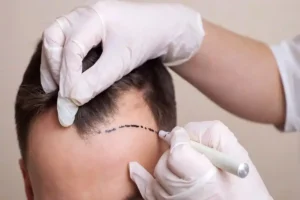
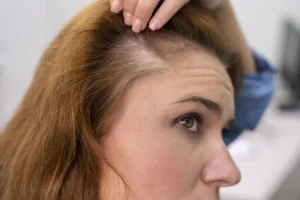
In the evolving world of hair loss solutions, stem cell exosome therapy for hair restoration has emerged as a promising, minimally invasive option that leverages the body’s own cellular communication tools. This article explains the science behind the treatment, outlines the benefits, walks you through the procedure, and compares it with more traditional methods such as FUE and DHI transplants. With hair loss affecting up to 40 % of men and women by age 35, finding a safe and effective solution is a top priority for many.
Recent clinical observations suggest that exosome‑based approaches can stimulate dormant hair follicles, improve scalp health, and promote thicker, fuller growth without the need for surgical grafts. Understanding how these tiny vesicles work and what to expect during a session can help you decide if this innovative therapy aligns with your personal hair restoration goals.
We will also discuss safety considerations, after‑care recommendations, and why choosing an experienced clinic like Gold City Hair can make a significant difference in outcomes.
Understanding Stem Cell Exosome Therapy: Science and Mechanism
Exosomes are nano‑sized vesicles released by stem cells that carry proteins, lipids, and genetic material essential for intercellular communication. When applied to the scalp, they act as messengers, signaling dormant follicular stem cells to re‑enter the growth cycle.
Key steps in the mechanism include:
- Delivery of growth factors that activate hair follicle stem cells.
- Modulation of inflammation, creating a healthier scalp environment.
- Promotion of angiogenesis, improving blood flow to the follicles.
Research on exosome therapy for hair loss shows increased expression of the Wnt/β‑catenin pathway, a critical driver of hair growth. By harnessing these pathways, the treatment can complement existing options like stem cell therapy for hair loss or conventional transplants.

Typical sources for therapeutic exosomes include adipose‑derived stem cells and umbilical cord MSCs, both of which are rich in regenerative factors. The exosomes are isolated, purified, and then injected into targeted scalp zones using a fine‑gauge needle.
Because the treatment does not involve the transfer of whole cells, the risk of immune rejection is minimal, and the procedure can be repeated as needed to maintain results.
Benefits of Exosome Treatment for Hair Loss
Patients often choose exosome therapy for its blend of effectiveness and convenience. Compared with surgical grafting, the advantages include:
| Benefit | Exosome Therapy | Traditional Transplant (FUE/DHI) |
|---|---|---|
| Invasiveness | Minimally invasive injection | Microsurgical extraction and implantation |
| Recovery Time | 1‑2 days of mild redness | 7‑10 days of scabbing and soreness |
| Scarring | None visible | Small puncture marks |
| Repeatability | Can be repeated every 3‑6 months | Limited by donor site availability |
Beyond the procedural benefits, clinical feedback highlights:
- Improved hair density and thickness within 3‑4 months.
- Reduced hair shedding during the telogen phase.
- Enhanced scalp health, decreasing dandruff and irritation.
- Compatibility with other treatments such as PRP or low‑level laser therapy.
For individuals seeking a non‑surgical approach, exosomes for hair growth provide a compelling alternative that can be integrated into a comprehensive hair loss treatment plan.
The Procedure: What to Expect During a Session
A typical exosome session at Gold City Hair follows a structured protocol to ensure safety and optimal results. The steps are:
- Consultation and scalp analysis – A specialist evaluates hair loss pattern, medical history, and determines suitability.
- Blood draw or adipose tissue sampling – If autologous exosomes are used, a small sample is taken for processing.
- Exosome preparation – The lab isolates and concentrates exosomes, usually within 24‑48 hours.
- Scalp cleansing and topical anesthesia – Reduces discomfort during injection.
- Targeted micro‑injections – Using a 30‑gauge needle, the clinician injects exosomes into the thinning zones.
- Post‑procedure care – Gentle cooling and a brief observation period.
Each session typically lasts 45‑60 minutes, and most patients resume normal activities immediately afterward. A series of three to four sessions spaced 4‑6 weeks apart is commonly recommended to achieve noticeable regrowth.
Key considerations during the procedure include:
- Choosing the right concentration of exosomes based on hair loss severity.
- Ensuring uniform distribution across the scalp for balanced growth.
- Monitoring for any immediate reactions, though they are rare.
Because the treatment is non‑surgical, it is an attractive option for those who cannot undergo traditional grafting due to medical conditions or personal preference.
Comparing Exosome Therapy with Traditional Hair Restoration Methods
When evaluating options, it helps to compare exosome therapy directly with established techniques such as Follicular Unit Extraction (FUE) and Direct Hair Implantation (DHI). Below is a concise comparison:
| Aspect | Exosome Therapy | FUE | DHI |
|---|---|---|---|
| Procedure Type | Injection, non‑surgical | Surgical graft extraction | Surgical graft implantation |
| Typical Cost (USD) | $1,200‑$2,500 per series | $3,500‑$10,000 | $4,000‑$12,000 |
| Recovery Time | 1‑2 days | 7‑10 days | 7‑10 days |
| Scarring | None visible | Small puncture marks | Small puncture marks |
| Ideal Candidates | Early‑stage thinning, diffuse loss | Advanced balding, stable loss | Advanced balding, stable loss |
While surgical methods provide immediate, permanent grafts, exosome therapy excels in revitalizing existing follicles and improving scalp quality. Many patients combine both approaches—using exosomes to enhance graft survival after a transplant.
Other related treatments, such as stem cell hair restoration and PRP injections, share similar regenerative goals but differ in cellular content and mechanism. Understanding these nuances enables a personalized treatment plan.
Safety, Side Effects, and Aftercare Guidelines
Safety is a primary concern for anyone considering a new therapy. Exosome treatments have an excellent safety profile because they use the body’s own cellular components. Reported side effects are typically mild and transient.
Common, short‑term reactions include:
- Localized redness or swelling at injection sites.
- Minor itching or tingling sensations.
- Temporary bruising if a needle punctures a small blood vessel.
These symptoms usually resolve within 24‑48 hours. Serious complications such as infection or allergic reaction are rare when the procedure is performed in a sterile, accredited clinic.
Aftercare recommendations to maximize results:
- Avoid harsh hair products and excessive heat styling for one week.
- Keep the scalp clean with a gentle, sulfate‑free shampoo.
- Maintain a balanced diet rich in vitamins A, C, E, and biotin.
- Consider complementary therapies like low‑level laser therapy (LLLT) for added stimulation.
Regular follow‑up appointments allow clinicians to assess progress and adjust the treatment schedule. Most patients notice a visible reduction in shedding and new hair shafts emerging after the second or third session.
Overall, stem cell exosome therapy for hair restoration offers a safe, repeatable, and scalable solution for those seeking to restore their hair without surgery.
Why Choose Gold City Hair for Advanced Hair Restoration
Gold City Hair combines cutting‑edge regenerative technologies with a decade of expertise in aesthetic medicine. Since 2017, the clinic has delivered personalized hair restoration solutions, ranging from FUE and DHI to the latest stem cell exosome therapies. Our team of board‑certified specialists prioritizes transparent communication, thorough pre‑treatment assessments, and after‑care support to ensure each patient achieves natural‑looking, lasting results.
Choosing Gold City Hair means accessing a clinic that adheres to international safety standards, uses clinically validated exosome preparations, and offers competitive pricing without compromising quality.
Ready to revitalize your hair with the power of stem cell exosomes? Contact Gold City Hair today to schedule a personalized consultation and discover a non‑surgical path to confidence.
Call now or fill out our online form – your journey to thicker, healthier hair starts here.
FAQ
What is stem cell exosome therapy for hair restoration?
It is a minimally invasive treatment that injects stem‑cell‑derived exosomes into the scalp to reactivate dormant hair follicles.
How does exosome therapy stimulate hair growth?
Exosomes activate the Wnt/β‑catenin pathway and deliver growth factors that awaken dormant follicular stem cells.
What are the benefits of exosome therapy compared to FUE or DHI transplants?
Exosome therapy is non‑surgical, has no visible scarring, short recovery, and can be repeated as needed.
What can I expect during an exosome therapy session at Gold City Hair?
A 45‑60 minute appointment that includes scalp analysis, exosome preparation, micro‑injections, and brief after‑care monitoring.
Are there any side effects or risks associated with exosome therapy?
Side effects are mild and temporary, such as redness, swelling, itching, or minor bruising.
How many sessions are needed to see visible hair regrowth?
Most patients notice improvement after the second or third session, with full results emerging after 3‑4 months.
Can exosome therapy be combined with other hair loss treatments?
Yes, it can be used alongside PRP, low‑level laser therapy, and even after a transplant to boost graft survival.