Hereditary male pattern baldness is the most common form of hair loss affecting millions of men worldwide. It is a genetic condition that typically begins in the late teens or early twenties and progresses over the years. This article explains why the condition occurs, how it is diagnosed, the most effective treatments available, and practical steps you can take to slow its progression.
According to recent studies, approximately 40 % of men experience noticeable thinning by age 35, and the figure rises to nearly 70 % by age 50. The emotional impact can be significant, affecting confidence, social interactions, and even professional opportunities. Understanding the underlying mechanisms empowers you to make informed decisions about treatment and lifestyle adjustments.
We will explore the science behind the condition, review diagnostic methods, compare medical and surgical options, and provide actionable advice for maintaining healthy hair. Whether you are just noticing the first signs or have been dealing with extensive thinning for years, the information below will help you navigate the path toward a fuller, healthier scalp.
What Causes Hereditary Male Pattern Baldness?
The root cause of hereditary male pattern baldness lies in a combination of genetics and hormonal influences. The condition is technically known as androgenetic alopecia, which reflects the role of androgens—male hormones—in shrinking hair follicles over time.
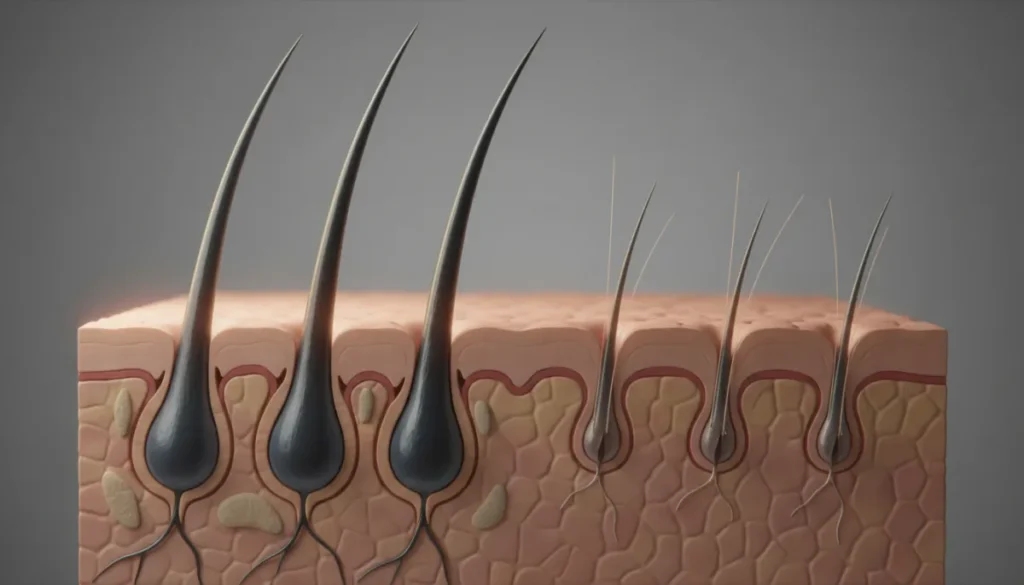
Genetic predisposition is inherited from both parents, though the exact pattern is complex. Certain gene variants, most notably those related to the androgen receptor (AR) gene, make hair follicles more sensitive to dihydrotestosterone (DHT), a potent derivative of testosterone. DHT binds to receptors in the scalp, triggering a cascade that shortens the hair growth (anagen) phase and lengthens the resting (telogen) phase, ultimately leading to finer, shorter hairs.
| Factor | Impact on Hair Follicle |
|---|---|
| Genetic Variants (AR gene) | Increased follicle sensitivity to DHT |
| Elevated DHT Levels | Miniaturization of follicles, shorter hair shafts |
| Age | Gradual decline in hair growth cycle efficiency |
Other contributors include scalp inflammation, oxidative stress, and lifestyle factors such as poor nutrition. While the genetic component cannot be changed, understanding it allows clinicians to target the hormonal pathway with effective therapies.
How Is It Diagnosed and When to Seek Help?
Early diagnosis of hereditary male pattern baldness is essential for maximizing treatment effectiveness. Dermatologists and hair restoration specialists rely on a combination of visual assessment, medical history, and specialized tests.
- Clinical Examination: The physician evaluates the pattern of hair loss using the Norwood–Hamilton scale, which grades severity from stage I (minimal recession) to stage VII (extensive balding).
- Dermoscopy: A handheld magnifying device reveals miniaturized hairs, perifollicular discoloration, and the presence of vellus-like hairs, confirming androgenetic alopecia.
- Blood Tests: Hormone panels (testosterone, DHT, thyroid) help rule out other causes of hair loss and assess overall health.
- Family History Review: Understanding the genetic background can predict progression and guide treatment planning.
Seek professional evaluation if you notice any of the following:
- Noticeable thinning at the temples or crown.
- Excessive shedding during washing or brushing.
- Rapid progression within a few months.
- Associated scalp symptoms such as itching or redness.
Prompt assessment enables the selection of appropriate interventions before significant follicular loss occurs, improving the chances of a successful outcome.
Effective Treatment Options for Hereditary Hair Loss
Multiple evidence‑based treatments target the hormonal and regenerative aspects of hereditary male pattern baldness. The best approach often combines medical therapy with procedural techniques to achieve both preservation of existing hair and new growth.
Medical Therapies
- Finasteride: An oral 5‑α‑reductase inhibitor that reduces DHT production by up to 70 %, slowing follicle miniaturization.
- Minoxidil: A topical vasodilator applied twice daily; it prolongs the anagen phase and stimulates blood flow to the scalp.
- Low‑Level Laser Therapy (LLLT): Devices such as laser combs or helmets emit red light to enhance cellular metabolism in hair follicles.
Surgical and Regenerative Options
| Procedure | Technique | Typical Recovery | Ideal Candidates |
|---|---|---|---|
| FUE (Follicular Unit Extraction) | Individual grafts harvested with a micro‑punch | 7‑10 days | Patients with moderate to extensive baldness |
| DHI (Direct Hair Implantation) | Grafts loaded into a pen‑like implanter for precise placement | 5‑8 days | Those seeking higher density and faster results |
| PRP (Platelet‑Rich Plasma) | Autologous plasma injected to stimulate follicular activity | Minimal, a few days of mild redness | Early‑stage balding or as an adjunct to surgery |
Combining finasteride or minoxidil with a hair transplant often yields the most natural and lasting results. Patients should discuss potential side effects, such as sexual dysfunction with finasteride, and realistic expectations with their surgeon.
Lifestyle Changes and Prevention Strategies
While genetics play the dominant role, lifestyle modifications can mitigate the severity of hereditary male pattern baldness and support overall scalp health.
- Nutrition: Adequate protein, iron, zinc, and biotin intake supports keratin production. Include lean meats, legumes, nuts, and leafy greens.
- Stress Management: Chronic stress elevates cortisol, which can exacerbate hair shedding. Practices such as mindfulness, yoga, or regular exercise are beneficial.
- Avoid Harsh Styling: Limit tight hairstyles, excessive heat, and chemical treatments that can traumatize follicles.
- Smoking Cessation: Tobacco reduces blood flow to the scalp, impeding nutrient delivery to hair follicles.
- Scalp Care: Gentle cleansing with mild shampoos, occasional scalp massages, and avoiding over‑use of styling products maintain a healthy environment.
Adopting these habits does not replace medical treatment but can enhance outcomes and potentially delay further hair loss.
Choosing the Right Hair Restoration Clinic
Selecting a reputable clinic is a critical step in the treatment journey for hereditary male pattern baldness. Patients should evaluate several key criteria before committing to a program.
- Qualified Specialists: Board‑certified dermatologists or plastic surgeons with specific training in FUE, DHI, and PRP.
- Transparent Results: Before‑and‑after galleries with verifiable patient consent and consistent outcomes.
- Technology and Facilities: Modern equipment, sterile environment, and adherence to international safety standards.
- Personalized Consultation: Detailed assessment of hair loss pattern, medical history, and realistic goal setting.
- Post‑Procedure Support: Comprehensive follow‑up care, medication guidance, and access to troubleshooting resources.
By prioritizing expertise, transparency, and patient‑centered care, you increase the likelihood of a successful, lasting restoration.
Why Choose Gold City Hair
Gold City Hair has been delivering advanced hair restoration solutions in Turkey since 2017. Our clinic specializes in FUE, DHI, and eyebrow or beard transplants, offering personalized treatment plans tailored to each individual’s genetic profile and aesthetic goals. With a focus on transparent communication, state‑of‑the‑art facilities, and a team of experienced surgeons, we provide safe, effective, and natural‑looking results for men dealing with hereditary male pattern baldness.
Ready to take the next step toward a fuller, more confident you? Contact Gold City Hair today to schedule a confidential consultation and discover a customized solution for your hair loss.
FAQ
What is hereditary male pattern baldness?
Hereditary male pattern baldness, also called androgenetic alopecia, is a genetic condition that causes progressive thinning of hair in men.
How does DHT cause hair loss?
DHT binds to receptors in the scalp, shortening the hair growth phase and shrinking follicles, which leads to thinner hair and eventual loss.
What early signs indicate I should see a doctor?
Noticeable thinning at the temples or crown, increased shedding, rapid progression, or scalp irritation are signals to seek professional evaluation.
Which medical treatments are most effective for male pattern baldness?
Finasteride, minoxidil, and low‑level laser therapy are the most evidence‑based medical options.
What surgical options are available for hair restoration?
FUE, DHI, and PRP are common surgical and regenerative procedures for restoring hair.
Can lifestyle changes slow down hereditary baldness?
Yes, proper nutrition, stress management, avoiding harsh styling, and good scalp care can mitigate progression.