The question “what is the reason for hair fall” is one many people ask when they notice more strands on their pillow or in the shower. Hair loss can be unsettling, affecting confidence and self‑image, yet the underlying causes are often varied and treatable. In this article we explore the most common medical, hormonal, lifestyle, and environmental factors that trigger hair shedding, and we explain how proper diagnosis leads to effective solutions.
According to global studies, up to 40 % of men and 30 % of women experience noticeable hair thinning by age 35. Understanding why this happens is the first step toward regaining a fuller, healthier head of hair. We will break down the science behind conditions such as alopecia, telogen effluvium, and androgenetic alopecia, and we’ll highlight practical steps you can take today.
Whether you are dealing with early‑onset thinning or a family history of baldness, the information below will help you identify the root cause and explore appropriate treatments, including advanced transplant techniques offered by Gold City Hair.
Common Medical Causes of Hair Loss
Medical conditions are a frequent driver of excessive shedding. Below are the most prevalent disorders linked to hair fall:
- Alopecia areata – an autoimmune attack that creates round, smooth bald patches.
- Thyroid imbalances – both hypothyroidism and hyperthyroidism can disrupt the hair growth cycle.
- Iron‑deficiency anemia – insufficient iron hampers follicle metabolism.
- Chronic infections or inflammatory skin diseases such as psoriasis.
These conditions often present alongside other symptoms, making a comprehensive medical evaluation essential.
| Condition | Typical Pattern | Key Diagnostic Test |
|---|---|---|
| Alopecia areata | Patchy, sudden loss | Clinical exam, scalp biopsy |
| Thyroid disorder | Diffuse thinning | TSH, T3, T4 blood tests |
| Iron‑deficiency anemia | Generalized thinning | Complete blood count, ferritin |
When you ask “what is the reason for hair fall,” a medical cause is often the answer, especially if the loss is rapid or accompanied by systemic signs. Consulting a dermatologist or trichologist can pinpoint the exact disorder and guide targeted therapy.
Hormonal and Genetic Factors
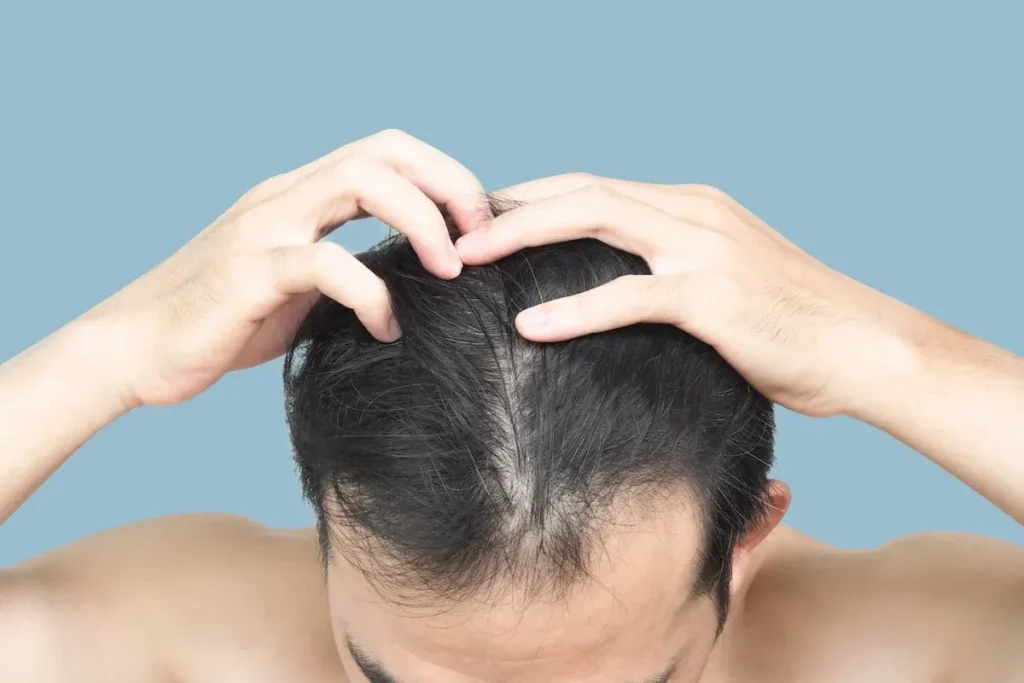
Hormones and genetics play a pivotal role in the long‑term pattern of hair loss. The most common hereditary condition is androgenetic alopecia, often referred to as male or female pattern baldness. This type is driven by dihydrotestosterone (DHT), a derivative of testosterone that miniaturizes hair follicles over time.
Key hormonal contributors include:
- Elevated DHT levels – shrink follicles, leading to thinner strands.
- Estrogen fluctuations – especially during pregnancy, postpartum, or menopause, can trigger temporary shedding.
- Insulin resistance – may exacerbate follicle sensitivity to DHT.
Genetic predisposition determines how sensitive an individual’s follicles are to these hormonal changes. A family history of baldness on either side often signals a higher risk.
Understanding the interplay between hormones and genes helps answer “what is the reason for hair fall” for many adults. Treatment options such as finasteride, minoxidil, or low‑level laser therapy aim to counteract hormonal effects, while hair transplant procedures restore density in resistant areas.
Lifestyle and Environmental Triggers
Beyond medical and genetic reasons, everyday habits and surroundings can accelerate hair shedding. Stress, nutrition, and exposure to harsh chemicals are among the most cited lifestyle contributors.
Common triggers include:
- Stress‑induced telogen effluvium – sudden emotional or physical stress pushes many follicles into the resting phase.
- Poor diet – lack of protein, essential fatty acids, zinc, and vitamins (especially B‑complex and vitamin D).
- Harsh hair care – frequent bleaching, heat styling, tight braids, or traction from hairstyles.
- Environmental pollutants – UV radiation, chlorine, and air pollutants can damage the scalp.
Addressing these factors often reverses early‑stage thinning. For example, incorporating a balanced diet rich in lean meats, leafy greens, and omega‑3 fatty acids supports follicle health, while reducing heat styling can prevent mechanical damage.
| Trigger | Effect on Hair | Mitigation Strategy |
|---|---|---|
| Chronic stress | Telogen effluvium | Mindfulness, adequate sleep, counseling |
| Protein deficiency | Weak strands, breakage | Increase lean protein intake |
| Traction hairstyles | Traction alopecia | Looser styles, avoid tight accessories |
When you wonder “what is the reason for hair fall,” examining daily routines often reveals modifiable causes that can be corrected without medical intervention.
How to Diagnose the Underlying Cause
Accurate diagnosis is essential to answer “what is the reason for hair fall” and to select the most effective treatment. A systematic approach typically includes:
- Medical history review – assessing family patterns, recent illnesses, medications, and stress levels.
- Physical scalp examination – looking for patterns of thinning, inflammation, or scarring.
- Laboratory tests – blood work for thyroid function, iron levels, hormone panels, and autoimmune markers.
- Trichoscopy – a dermatoscopic view of the scalp that reveals follicle miniaturization, broken hairs, or fungal infection.
- Biopsy (if needed) – a small scalp sample examined under a microscope to confirm conditions like scarring alopecia.
These steps help clinicians differentiate between temporary shedding (e.g., telogen effluvium) and permanent loss (e.g., advanced androgenetic alopecia). Early detection can significantly improve outcomes, especially when combined with modern transplant techniques.
Treatment Options Tailored to the Cause
Once the root cause is identified, treatment can be personalized. Options range from lifestyle adjustments to surgical interventions:
- Medical therapy – minoxidil for stimulating growth, finasteride for DHT reduction, and anti‑inflammatory drugs for alopecia areata.
- Nutrition supplementation – biotin, zinc, and vitamin D to address deficiencies.
- Low‑level laser therapy – non‑invasive light stimulation that improves follicular activity.
- Hair transplant surgery – Follicular Unit Extraction (FUE) and Direct Hair Implantation (DHI) performed by expert teams in Turkey.
- Scalp micropigmentation – cosmetic tattooing that creates the illusion of density.
Gold City Hair specializes in FUE and DHI, offering a personalized experience from pre‑screening to post‑operative care. Their transparent communication ensures patients understand each step, leading to higher satisfaction and natural‑looking results.
| Treatment | Best For | Typical Recovery Time |
|---|---|---|
| Minoxidil | Early‑stage thinning | Ongoing use |
| Finasteride | Male pattern baldness | Months to see effect |
| FUE/DHI Transplant | Advanced permanent loss | 7‑10 days for initial healing |
Choosing the right approach depends on the specific answer to “what is the reason for hair fall” in your case. A thorough evaluation by a qualified specialist will guide you toward the most effective solution.
Why Choose Gold City Hair
Gold City Hair has been delivering safe, effective hair restoration in Turkey since 2017. Their team combines expertise in FUE, DHI, and eyebrow/beard transplants with a patient‑first philosophy, ensuring every individual receives a customized plan. Transparent communication, state‑of‑the‑art facilities, and a commitment to natural results set them apart as a trusted partner for anyone seeking to overcome hair loss.
Ready to uncover the true cause of your hair fall and start a personalized treatment journey? Contact Gold City Hair today for a confidential consultation and take the first step toward regaining confidence.
FAQ
What are the common medical causes of hair loss?
Medical conditions such as alopecia areata, thyroid disorders, iron‑deficiency anemia, and chronic skin diseases can trigger hair loss.
How do hormones affect hair loss?
Hormones like DHT, estrogen, and insulin influence follicle miniaturization and shedding, especially in androgenetic alopecia.
Can lifestyle changes reverse early‑stage hair thinning?
Yes, improving diet, reducing stress, and avoiding harsh hair treatments can often restore hair health in early stages.
How is hair loss diagnosed by specialists?
Diagnosis involves medical history, scalp examination, blood tests, trichoscopy, and sometimes a biopsy.
What treatment options are available for different causes of hair loss?
Treatments range from medical therapies and supplements to laser therapy, hair transplants, and scalp micropigmentation.
What is the difference between FUE and DHI hair transplant techniques?
FUE extracts individual follicles and implants them later, while DHI implants follicles directly using a specialized pen for higher precision.