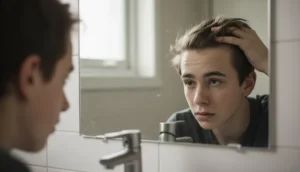
Many people notice scalp aches hair loss occurring together, but they rarely understand why the two symptoms are linked. Scalp discomfort can be a warning sign of underlying dermatological or hormonal issues that also trigger hair thinning or baldness. In this article we will explore the medical reasons behind painful scalps, identify which types of alopecia commonly cause soreness, and outline practical steps to relieve pain while addressing hair loss.
According to dermatological studies, up to 30% of individuals experiencing hair loss also report persistent scalp tenderness. This correlation is especially strong in cases of androgenetic alopecia and inflammatory scalp conditions. Recognizing the connection early can prevent further follicular damage and improve treatment outcomes.
We will cover the most common causes, when professional evaluation is essential, and both medical and lifestyle interventions that target the root of the problem. Whether you are dealing with a receding hairline, thinning hair, or an itchy, painful scalp, the information below will help you make informed decisions about your hair health.
Causes of Scalp Pain Linked to Hair Loss
Scalp pain can arise from a variety of sources, many of which directly influence the health of hair follicles. Understanding these mechanisms is the first step toward effective treatment.
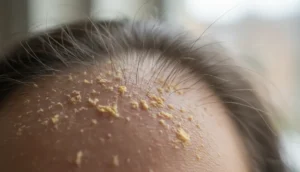
- Inflammatory Dermatitis: Conditions such as seborrheic dermatitis cause redness, flaking, and a burning sensation that can weaken hair shafts.
- Hormonal Imbalance: Elevated dihydrotestosterone (DHT) not only shrinks follicles but can also irritate the scalp’s nerve endings.
- Traction Alopecia: Tight hairstyles pull on the scalp, creating micro-tears and chronic soreness.
- Infections: Fungal or bacterial infections lead to inflammation, swelling, and pain that may accelerate hair loss.
- Vascular Issues: Poor blood circulation reduces nutrient delivery, causing both follicular miniaturization and a dull, aching scalp.
Below is a comparison of common scalp conditions, their typical symptoms, and their impact on hair density.
| Condition | Scalp Sensation | Effect on Hair |
|---|---|---|
| Seborrheic Dermatitis | Itchy, burning | Increased shedding, thinning |
| Androgenetic Alopecia | Occasional tightness | Gradual miniaturization |
| Traction Alopecia | Painful tugging | Localized bald spots |
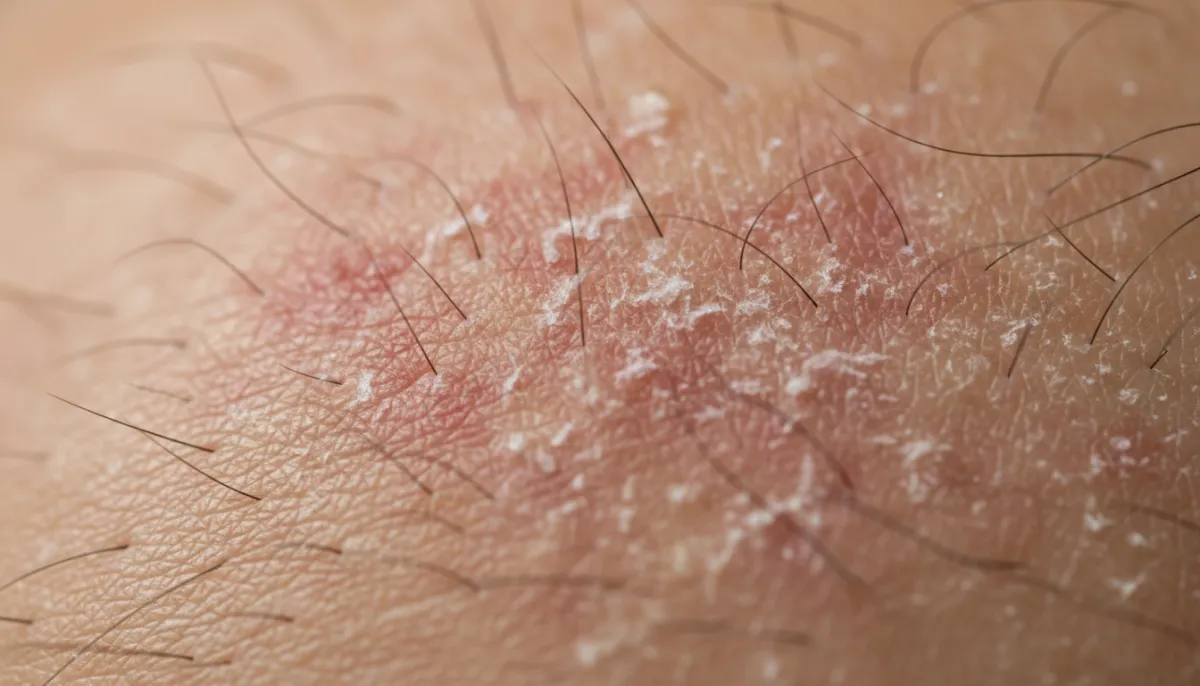
| Fungal Infection (Tinea) | Red, sore patches | Spotty hair loss |
| Scalp Psoriasis | Stinging, raw | Diffuse thinning |
When scalp aches hair loss appear together, it often points to an underlying inflammatory or hormonal trigger that requires targeted therapy.
How Different Types of Alopecia Present with Scalp Discomfort
Alopecia is not a single disease but a spectrum of disorders, each with distinct patterns of hair loss and scalp sensations. Recognizing the specific type helps clinicians choose the most effective intervention.
Androgenetic Alopecia (Male and Female Pattern Baldness)
This is the most common form, driven by genetics and DHT. While many patients notice only thinning hair, some report a persistent tightness or mild ache, especially around the temples where the hairline recedes. The sensation is usually due to follicular miniaturization and reduced scalp elasticity.
Alopecia Areata
An autoimmune condition, alopecia areata often manifests as sudden, round patches of hair loss. The affected areas can feel tender or itchy before the hair falls out. In severe cases, the entire scalp may become sore, reflecting an active immune response.
Traction Alopecia
Resulting from chronic pulling, this type creates localized pain at the hairline or crown. The pain is typically sharp when the hair is tugged, and over time, the constant stress can cause permanent follicle loss.
Scarring Alopecias (Lichen Planopilaris, Frontal Fibrosing Alopecia)
These rare conditions involve inflammation that destroys hair follicles and replaces them with scar tissue. Patients often experience burning, itching, or a feeling of “tight skin” on the scalp, accompanied by progressive hair loss.
The table below highlights key symptoms and typical scalp sensations for each alopecia type.
| Alopecia Type | Pattern of Hair Loss | Scalp Sensation |
|---|---|---|
| Androgenetic Alopecia | Gradual thinning, receding hairline | Occasional tightness |
| Alopecia Areata | Patchy bald spots | Tenderness, itchiness |
| Traction Alopecia | Localized loss at hairline | Sharp pain on pull |
| Scarring Alopecias | Irregular loss with scar tissue | Burning, severe itching |
Understanding these patterns helps you communicate effectively with a dermatologist, ensuring that scalp aches hair loss are addressed as part of a comprehensive diagnosis.
When to Seek Medical Evaluation for Scalp Aches
Not every scalp ache signals a serious problem, but certain red flags warrant prompt professional attention. Early evaluation can prevent irreversible follicular damage.
- Persistent Pain: Discomfort lasting more than two weeks without improvement.
- Rapid Hair Loss: Sudden shedding of more than 100 hairs per day.
- Visible Lesions: Red patches, sores, or crusting on the scalp.
- Systemic Symptoms: Fever, weight loss, or unexplained fatigue alongside scalp issues.
- Family History: A strong hereditary pattern of androgenetic alopecia combined with new scalp pain.
During a clinical visit, a dermatologist may perform:
- Trichoscopic examination to visualize follicle health.
- Scalp biopsy for suspected scarring alopecias.
- Blood tests to assess hormone levels, thyroid function, and autoimmune markers.
- Culture swabs if infection is suspected.
These diagnostics help differentiate between benign irritation and conditions that could accelerate scalp aches hair loss if left untreated.
Treatment Options: From Medication to Hair Transplant
Effective management of scalp pain and hair loss often requires a multimodal approach. Treatment plans are tailored to the underlying cause, severity, and patient preferences.
Topical and Oral Medications
For inflammatory conditions such as seborrheic dermatitis or psoriasis, corticosteroid creams and medicated shampoos can reduce redness and soothe pain. In cases of androgenetic alopecia, finasteride (oral) and minoxidil (topical) are FDA‑approved to slow follicle miniaturization and may indirectly lessen scalp tightness.
Anti‑Inflammatory and Pain Relief
Non‑steroidal anti‑inflammatory drugs (NSAIDs) can provide short‑term relief for acute soreness. For chronic neuropathic pain, low‑dose gabapentin or topical lidocaine patches may be prescribed.
Procedural Interventions
When medication alone is insufficient, procedural options become valuable:
- Platelet‑Rich Plasma (PRP): Injections of concentrated platelets stimulate healing, reduce inflammation, and promote follicular regrowth.
- Low‑Level Laser Therapy (LLLT): Red light devices improve circulation, easing scalp tightness while encouraging hair growth.
- Hair Transplant (FUE/DHI): For permanent restoration, transplanting healthy follicles to scar‑free zones addresses both aesthetic loss and, indirectly, chronic scalp discomfort caused by thinning skin.
Below is a quick reference comparing non‑surgical and surgical treatments for scalp‑related hair loss.
| Treatment | Primary Goal | Effect on Scalp Pain | Typical Duration |
|---|---|---|---|
| Topical Steroids | Reduce inflammation | Immediate relief | 2‑4 weeks |
| Finasteride | Block DHT | Gradual reduction | 3‑6 months |
| PRP Therapy | Stimulate follicles | Moderate relief | 3‑6 months |
| LLLT | Improve circulation | Mild relief | Ongoing |
| FUE/DHI Transplant | Permanent hair restoration | Long‑term comfort | 1‑2 years (growth phase) |
Choosing the right combination can alleviate the uncomfortable sensations that often accompany scalp aches hair loss, while also restoring a fuller appearance.
Lifestyle and Home Care Strategies to Relieve Scalp Pain
Daily habits play a crucial role in managing scalp discomfort and supporting healthy hair growth. Simple adjustments can complement medical treatments and improve overall well‑being.
- Gentle Cleansing: Use sulfate‑free shampoos and avoid hot water to prevent stripping natural oils.
- Scalp Massage: Light circular motions for 5‑10 minutes daily boost blood flow and reduce tension.
- Balanced Nutrition: Ensure adequate intake of iron, zinc, biotin, and omega‑3 fatty acids, which are essential for follicle health.
- Stress Management: Practices such as meditation, yoga, or regular exercise lower cortisol, a hormone linked to telogen shedding.
- Avoid Tight Hairstyles: Loosen ponytails, braids, and hair accessories to prevent traction alopecia.
For immediate relief, consider applying a cool compress or an over‑the‑counter menthol scalp spray. Consistency is key; benefits become noticeable after several weeks of sustained care.
By integrating these habits, many individuals experience a reduction in the uncomfortable sensations that often accompany scalp aches hair loss, creating a healthier environment for hair regrowth.
Why Choose Gold City Hair
Gold City Hair has been delivering personalized hair restoration solutions in Turkey since 2017. Our clinic combines the latest FUE and DHI techniques with a compassionate, transparent approach, ensuring each patient receives a treatment plan tailored to their unique scalp condition and aesthetic goals. With a focus on safety, natural‑looking results, and ongoing support, we help individuals overcome both hair loss and associated scalp discomfort, restoring confidence one strand at a time.
Ready to relieve scalp pain and regain a fuller head of hair? Contact Gold City Hair today to schedule a confidential consultation and discover the most effective solution for your needs.
FAQ
What causes scalp aches when experiencing hair loss?
Scalp aches often stem from inflammation, hormonal imbalances, infections, vascular issues, or mechanical stress that also trigger hair loss.
How can I tell if my scalp pain is a sign of a serious condition?
Persistent pain, rapid hair loss, visible lesions, systemic symptoms, or a strong family history are red flags that require professional evaluation.
Which types of alopecia are most likely to cause scalp discomfort?
Androgenetic alopecia, alopecia areata, traction alopecia, and scarring alopecias frequently present with scalp tenderness or pain.
What medical treatments are effective for scalp pain associated with hair loss?
Topical steroids, medicated shampoos, finasteride, minoxidil, NSAIDs, PRP, LLLT, and hair transplant are commonly used.
Are there non‑surgical options to relieve scalp aches and promote hair growth?
Yes, topical anti‑inflammatories, PRP, low‑level laser therapy, and lifestyle changes can help without surgery.
When should I see a dermatologist for scalp pain and hair loss?
If pain persists beyond two weeks, hair loss is rapid, lesions appear, or systemic symptoms develop, schedule a dermatologist visit promptly.