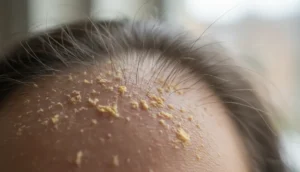
The medical term for losing hair is commonly known as alopecia, a condition that affects millions worldwide and can impact confidence and self‑image. In this article we explain what alopecia entails, the various forms it can take, how specialists diagnose it, and the range of treatments—from medication to state‑of‑the‑art hair transplant procedures. According to recent dermatology surveys, up to 40 % of men and 30 % of women notice noticeable thinning by the age of 35, highlighting the importance of early awareness.
Understanding the terminology is the first step toward effective management. Whether you are dealing with male pattern baldness or an autoimmune form like alopecia areata, knowing the precise medical language helps you communicate clearly with clinicians and explore appropriate solutions. This guide walks you through the science behind hair loss, the diagnostic process, and the most reliable treatment pathways available today.
By the end of this article you will be equipped with the knowledge to recognize different types of hair loss, understand why they occur, and make informed decisions about restoring a fuller, healthier head of hair.
What Is the Medical Term for Hair Loss?
The umbrella term alopecia describes any condition that leads to hair loss from the scalp or other body areas. Dermatologists classify alopecia based on pattern, cause, and severity. The most prevalent form is androgenetic alopecia, often referred to as male or female pattern baldness, driven by genetic sensitivity to dihydrotestosterone (DHT). Another common variant is alopecia areata, an autoimmune disorder where the immune system mistakenly attacks hair follicles, causing sudden patches of baldness.
Less recognized types include telogen effluvium, a temporary shedding triggered by stress, illness, or hormonal changes, and traction alopecia, which results from chronic pulling forces such as tight hairstyles. Each type has distinct clinical features, yet they all fall under the same medical terminology of alopecia.
- Androgenetic alopecia – hereditary, DHT‑related.
- Alopecia areata – autoimmune, patchy loss.
- Telogen effluvium – stress‑induced, diffuse shedding.
- Traction alopecia – mechanical, due to tension.
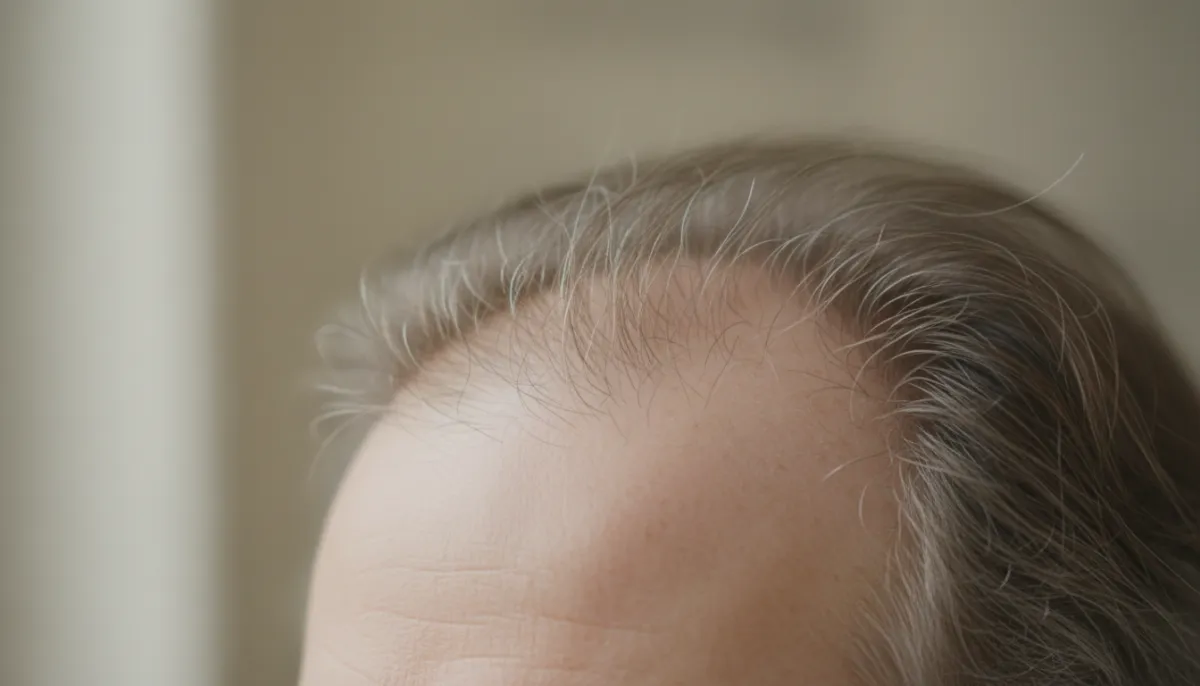
Common Types of Alopecia and Their Causes
Understanding the specific type of alopecia is essential for selecting the right hair loss treatment. Below is a concise overview of the most frequently encountered forms and their underlying mechanisms.
| Type of Alopecia | Primary Cause | Typical Pattern |
|---|---|---|
| Androgenetic Alopecia | Genetic sensitivity to DHT | Receding hairline, crown thinning |
| Alopecia Areata | Autoimmune attack on follicles | Round bald patches |
| Telogen Effluvium | Stress, illness, hormonal shifts | Diffuse shedding across scalp |
| Traction Alopecia | Chronic tension from hairstyles | Hair loss along hairline |
While male pattern baldness (androgenetic alopecia) is the most common, women can experience a similar pattern known as female pattern baldness, often presenting as overall thinning rather than a distinct receding line. Autoimmune forms like alopecia areata may affect any age group and can sometimes be linked to other autoimmune conditions such as thyroid disease.
Identifying the cause also helps clinicians rule out systemic issues. For example, sudden hair fall may signal nutritional deficiencies, thyroid imbalance, or anemia, all of which require medical attention beyond cosmetic solutions.
How Hair Loss Is Diagnosed by Professionals
Accurate diagnosis begins with a thorough medical history and visual examination. Dermatologists often employ a tool called a trichoscope, which provides magnified views of the hair shaft and follicle health. This helps differentiate between alopecia areata (characterized by exclamation‑mark hairs) and telogen effluvium (showing uniform miniaturized hairs).
Additional diagnostic steps may include:
- Blood tests to assess hormone levels, iron, and thyroid function.
- Scalp biopsy for histological analysis in ambiguous cases.
- Pull test to evaluate the proportion of hairs in the shedding phase.
These investigations ensure that any underlying medical condition is addressed before initiating a hair loss treatment plan. In many clinics, a personalized treatment roadmap is created, outlining both medical and surgical options based on the specific diagnosis.
Treatment Options: From Medication to Transplant
Once the type of alopecia is identified, a range of hair loss treatment strategies become available. Non‑surgical approaches include topical minoxidil, oral finasteride for androgenetic alopecia, and corticosteroid injections for alopecia areata. Lifestyle modifications—such as reducing stress, improving nutrition, and avoiding tight hairstyles—can also support regrowth.
For individuals seeking a permanent solution, surgical hair restoration offers high success rates. The two most popular techniques are:
- Follicular Unit Extraction (FUE) – individual follicles are harvested and implanted, leaving minimal scarring.
- Direct Hair Implantation (DHI) – follicles are loaded into a specialized pen and placed directly, enhancing graft survival.
Both methods are performed under local anesthesia and can restore natural‑looking density in areas affected by male pattern baldness or extensive thinning. Advanced clinics also offer eyebrow and beard transplants for patients with localized hair loss.
Choosing the right treatment depends on factors such as the stage of hair loss, donor hair availability, and personal preferences. A qualified specialist will evaluate these variables and recommend a customized plan.
Lifestyle Factors and Prevention Strategies
While genetics play a dominant role, several lifestyle factors can exacerbate or mitigate hair loss. Maintaining a balanced diet rich in protein, iron, zinc, and omega‑3 fatty acids supports follicle health. Regular exercise improves circulation, delivering essential nutrients to the scalp.
Stress management is equally vital; chronic cortisol elevation can trigger telogen effluvium. Techniques such as mindfulness meditation, adequate sleep, and regular physical activity help keep stress hormones in check.
Hair care habits also matter. Avoid harsh chemical treatments, excessive heat styling, and tight ponytails that cause traction alopecia. When using shampoos and conditioners, look for products free of sulfates and parabens, which can irritate the scalp.
By integrating these preventive measures, many individuals can slow the progression of the medical term for losing hair and create a healthier environment for any subsequent treatments.
Why Choose Gold City Hair
Gold City Hair has been delivering personalized hair restoration solutions in Turkey since 2017. Our clinic combines the latest FUE and DHI technologies with a patient‑first approach, ensuring transparent communication at every step. With a team of experienced surgeons and a commitment to natural‑looking results, we help clients regain confidence through safe, effective hair transplants and comprehensive after‑care.
Ready to take the first step toward a fuller head of hair? Contact Gold City Hair today for a free, no‑obligation consultation and discover how our expert team can tailor a solution just for you.
FAQ
What is the medical term for losing hair?
The medical term for losing hair is alopecia, which covers all forms of hair loss.
What are the different types of alopecia?
Common types include androgenetic alopecia, alopecia areata, telogen effluvium, and traction alopecia.
How is hair loss diagnosed by a dermatologist?
Diagnosis involves medical history, visual exam, trichoscopy, blood tests, and sometimes scalp biopsy.
What treatment options are available for hair loss?
Options range from topical minoxidil and oral finasteride to corticosteroid injections and surgical transplants.
What are the differences between FUE and DHI hair transplant techniques?
FUE extracts individual follicles and implants them with tiny incisions; DHI uses a specialized pen to place follicles directly, improving graft survival.
How can lifestyle changes help prevent hair loss?
A balanced diet, regular exercise, stress management, and gentle hair care can slow hair loss progression.