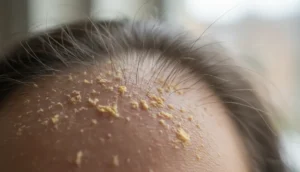
Understanding how to prevent hair thinning in females begins with recognizing that hair loss is not just a male issue; millions of women experience gradual thinning that affects confidence and style. This article explores the most common causes, practical daily habits, nutritional support, and professional treatments that empower women to keep their hair dense and healthy.
Recent studies indicate that up to 40 % of women notice noticeable hair thinning by the age of 35, and the prevalence rises sharply after menopause. Whether the culprit is hormonal shifts, stress, or nutritional gaps, taking proactive steps can slow or even reverse the process.
We’ll walk you through evidence‑based strategies, from lifestyle tweaks to medical options, so you can make informed decisions and protect your hair before significant loss occurs.
Understanding the Causes of Female Hair Thinning

Hair thinning in women is multifactorial, meaning several internal and external elements often interact. Identifying the root cause is essential for selecting the right prevention plan.
Hormonal Factors
Fluctuations in estrogen, progesterone, and thyroid hormones can disrupt the hair growth cycle, leading to diffuse shedding. Conditions such as polycystic ovary syndrome (PCOS) and menopause are frequent triggers of female pattern baldness.
Nutritional Deficiencies
Insufficient intake of iron, zinc, biotin, and essential fatty acids deprives hair follicles of the building blocks they need. Iron‑deficiency anemia alone accounts for up to 30 % of unexplained hair loss in women.
Stress and Lifestyle
Chronic stress elevates cortisol levels, which can push hair follicles into a resting phase, resulting in telogen effluvium—a rapid shedding that often follows major life events.
- Hormonal imbalances (thyroid, PCOS, menopause)
- Iron and vitamin D deficiency
- High cortisol from prolonged stress
- Harsh hair treatments and tight hairstyles
- Medications such as anticoagulants or retinoids
| Cause | Typical Signs | Suggested Action |
|---|---|---|
| Hormonal changes | Gradual thinning on crown, widening part | Consult endocrinologist, consider hormone‑balancing therapy |
| Nutrient deficiency | Fine, brittle strands; noticeable shedding | Blood test, supplement iron & vitamin D |
| Stress‑induced telogen | Sudden increase in hair fall across scalp | Stress‑management techniques, adequate sleep |
By pinpointing which of these factors apply to you, you can tailor a prevention plan that directly addresses the underlying issue, making the overall strategy more effective.
Nutrition and Supplements for Stronger Hair
What you eat plays a pivotal role in the health of your hair follicles. A diet rich in proteins, vitamins, and minerals fuels the anagen (growth) phase and reduces the risk of thinning.
Hair‑Friendly Foods
Incorporate the following foods into your meals to supply essential nutrients:
- Lean proteins such as salmon, turkey, and legumes
- Leafy greens (spinach, kale) for iron and vitamin A
- Seeds and nuts for zinc, selenium, and omega‑3 fatty acids
- Eggs for biotin and high‑quality protein
- Whole grains for B‑vitamins and fiber
Effective Supplements
When diet alone cannot meet nutritional needs, targeted supplements can bridge the gap. Below is a comparison of popular options.
| Supplement | Main Benefits | Recommended Daily Dose |
|---|---|---|
| Biotin (Vitamin B7) | Improves keratin structure, reduces breakage | 2,500–5,000 µg |
| Iron (Ferrous Sulfate) | Prevents anemia‑related shedding | 18 mg (women 19–50 yr) |
| Vitamin D3 | Supports follicle cycling | 1,000–2,000 IU |
| Omega‑3 (Fish Oil) | Anti‑inflammatory, nourishes scalp | 1,000 mg EPA/DHA |
Before starting any supplement regimen, it’s wise to have blood work done and discuss the plan with a healthcare professional to avoid excess intake.
Scalp Care and Gentle Styling Practices
Beyond nutrition, the way you treat your scalp and style your hair daily can either protect or damage fragile follicles. Simple adjustments can dramatically reduce mechanical stress.
Daily Scalp Routine
Maintain a clean, well‑moisturized scalp to promote optimal blood flow:
- Use a sulfate‑free, pH‑balanced shampoo no more than 2–3 times per week.
- Massage the scalp for 2–3 minutes with fingertips during each wash.
- Apply a lightweight, non‑comedogenic conditioner focusing on mid‑lengths.
- Consider a weekly clarifying mask to remove product buildup.
Styling Do’s and Don’ts
Harsh styling can cause traction alopecia, a form of hair loss caused by constant pulling.
| Practice | Impact on Hair | Gentle Alternative |
|---|---|---|
| Tight ponytails or braids | Traction, follicle damage | Loose, low‑tension styles |
| High‑heat straighteners | Cuticle damage, breakage | Air‑dry or low‑heat tools |
| Frequent chemical relaxers | Weakening of shaft | Natural texture or mild treatments |
Adopting these gentle habits not only slows thinning but also improves overall hair texture and shine.
Medical Treatments and Professional Options
When lifestyle changes alone are insufficient, medical interventions can provide a significant boost. Several evidence‑based treatments are approved for women experiencing thinning hair.
Topical Minoxidil
Minoxidil 2 % solution is the only FDA‑approved topical medication for female pattern hair loss. Consistent twice‑daily application can extend the growth phase and increase follicle size.
Platelet‑Rich Plasma (PRP)
PRP therapy involves injecting concentrated platelets from your own blood into the scalp, delivering growth factors that stimulate dormant follicles. Multiple sessions are typically recommended for optimal results.
Hair Transplant Techniques (FUE & DHI)
For advanced thinning or patterned baldness, surgical options such as Follicular Unit Extraction (FUE) and Direct Hair Implantation (DHI) offer permanent, natural‑looking restoration. Gold City Hair’s expertise in these methods ensures high graft survival rates and minimal scarring.
Other Prescription Options
- Spironolactone – an anti‑androgen useful for PCOS‑related loss
- Oral finasteride – off‑label use in select cases, under specialist supervision
- Corticosteroid injections – for localized inflammatory alopecia
Choosing the right medical path requires a thorough evaluation by a qualified specialist who can tailor a protocol to your specific pattern of thinning.
Lifestyle Changes and Daily Habits for Long‑Term Prevention
Long‑term success in preventing hair thinning hinges on consistent, holistic habits that support overall health.
Key Daily Practices
- Prioritize sleep: Aim for 7–9 hours to regulate hormonal balance.
- Manage stress: Incorporate meditation, breathing exercises, or regular physical activity.
- Stay hydrated: Adequate water intake ensures optimal nutrient transport to follicles.
- Avoid smoking: Tobacco reduces scalp circulation and accelerates aging of hair.
- Regular check‑ups: Annual blood tests to monitor iron, thyroid, and vitamin D levels.
Impact Comparison of Lifestyle Factors
| Habit | Positive Effect on Hair | Potential Negative Impact |
|---|---|---|
| Consistent sleep | Balanced hormone production, reduced shedding | Insomnia → cortisol rise, hair loss |
| Regular exercise | Improved circulation, stress reduction | Over‑training → nutrient depletion |
| Balanced diet | Supply of essential micronutrients | Crash diets → rapid telogen shift |
Integrating these habits creates a supportive environment for hair follicles, making other preventive measures more effective.
Why Choose Gold City Hair for Your Hair Restoration Journey
Gold City Hair combines cutting‑edge techniques such as FUE and DHI with a personalized, transparent approach that puts your confidence first. Since 2017, our experienced team in Turkey has helped countless women achieve natural‑looking results, offering comprehensive consultations, state‑of‑the‑art facilities, and post‑procedure support. Trust a clinic that values both aesthetic excellence and your individual story.
Ready to take control of hair thinning and restore your confidence? Contact Gold City Hair today for a personalized consultation and discover the best plan tailored to your needs.
Start your journey toward thicker, healthier hair—schedule your virtual assessment now.
FAQ
What are the most common causes of hair thinning in women?
Hormonal changes, nutritional deficiencies, stress, harsh styling, and certain medications are the primary contributors.
How can diet and supplements help prevent hair thinning?
A balanced diet rich in protein, iron, zinc, biotin, and omega‑3s supports follicle health, and targeted supplements can fill gaps.
What scalp care routine is recommended for women experiencing thinning hair?
Use a sulfate‑free shampoo 2‑3 times weekly, massage the scalp for a few minutes, apply a lightweight conditioner, and incorporate a weekly clarifying mask.
Are there FDA‑approved medical treatments for female hair thinning?
Yes, 2 % minoxidil solution is FDA‑approved for women, and other options include PRP therapy, oral spironolactone, and hair transplant techniques.
Can lifestyle changes alone make a difference in preventing hair thinning?
Yes, consistent sleep, stress management, hydration, and regular health check‑ups can significantly reduce shedding and support hair health.