When you ask what is anagen, you are looking for the answer to a key question about how hair grows and why some strands stay longer than others. The anagen phase is the active growth period of the hair follicle, during which cells in the hair bulb divide rapidly and push the hair shaft upward. Understanding this phase is essential for anyone considering hair restoration, because the length and health of the anagen stage directly affect transplant success and natural hair density.
In the average human scalp, roughly 85‑90% of hairs are in the anagen phase at any given time, while the remaining follicles rest in the telogen phase. This distribution explains why most people can grow hair continuously for years without noticing a break. However, factors such as genetics, nutrition, stress, and medical conditions can shift the balance, leading to shorter anagen periods and noticeable thinning.
In this article we will explore the biology of the anagen stage, how it interacts with other phases of the hair growth cycle, common disorders that affect it, and practical steps you can take to support a healthy growth phase. Whether you are experiencing early hair loss or planning a transplant, knowing what is anagen empowers you to make informed decisions.
The Biology of the Anagen Phase
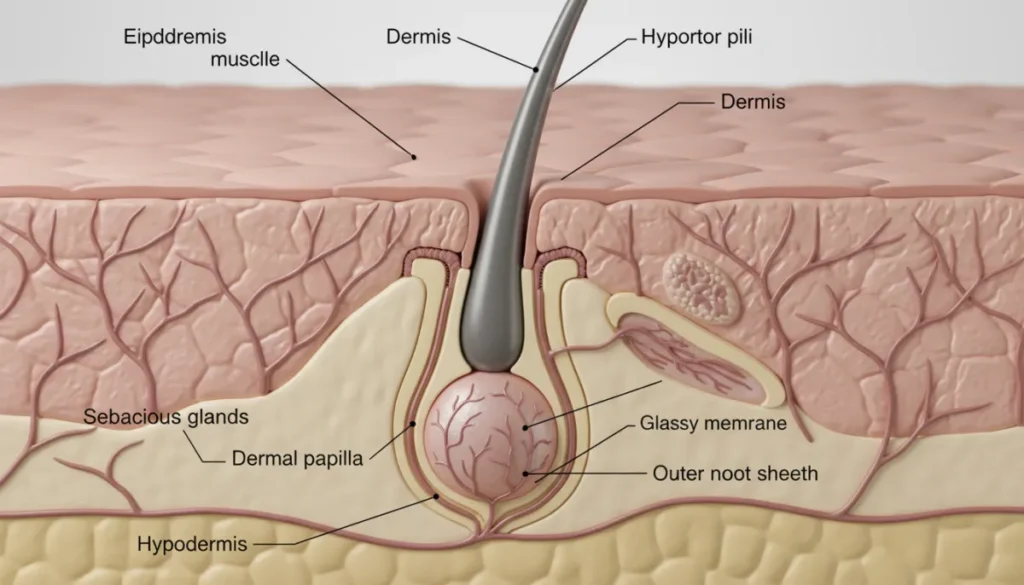
The anagen phase, often called the growth phase, can last anywhere from two to six years depending on genetics and body region. During this time, the hair follicle is fully active: dermal papilla cells supply nutrients, and the matrix cells at the base of the follicle proliferate to form the hair shaft. The hair bulb, located at the bottom of the follicle, contains the melanocytes that give hair its color and the keratin-producing cells that build the strand.
Key structures involved in anagen include:
- Dermal papilla: a cluster of specialized fibroblasts that regulate growth signals.
- Hair matrix: rapidly dividing cells that generate the hair shaft and inner root sheath.
- Hair bulb: the rounded base that houses the matrix and melanocytes.
- Hair papilla: supplies blood flow and growth factors to sustain the phase.
These components work together in a tightly regulated cycle driven by hormones such as androgens and growth factors like IGF‑1. The length of the anagen stage determines the maximum possible length of a hair strand; a longer anagen means longer hair before it transitions to catagen and eventually telogen.
How the Anagen Phase Interacts with Other Hair Growth Stages
Hair growth follows a cyclical pattern consisting of anagen, catagen, and telogen phases. After the active growth period, the follicle enters catagen, a short transitional stage lasting about two weeks, where cell division stops and the lower part of the follicle regresses. The follicle then moves into telogen, the resting phase, which lasts roughly three months. At the end of telogen, the follicle re‑enters anagen, and a new hair shaft begins to emerge.
Disruptions in this cycle can lead to conditions such as telogen effluvium, where an unusually high number of hairs shift prematurely into telogen, causing diffuse shedding. Conversely, anagen effluvium—often caused by chemotherapy or severe nutritional deficiencies—directly attacks the anagen follicles, resulting in rapid hair loss while the hair is still in its growth stage.
| Phase | Duration | Main Activity | Typical Percentage of Scalp Hairs |
|---|---|---|---|
| Anagen | 2‑6 years | Cell proliferation, shaft elongation | 85‑90% |
| Catagen | ~2 weeks | Follicle regression, apoptosis | ~1% |
| Telogen | ~3 months | Resting, shedding | 10‑15% |
Understanding how these phases overlap helps clinicians assess the health of the scalp and predict the outcome of hair transplantation. A robust anagen population indicates a fertile environment for graft survival, while a high proportion of telogen hairs may signal underlying stress or nutritional issues that should be addressed before surgery.
Factors That Influence the Length and Quality of Anagen
Several internal and external factors can shorten or extend the anagen phase, directly affecting hair length and density. Below are the most common influences:
- Genetics: Determines baseline anagen duration; some families naturally have longer growth periods.
- Hormonal Balance: Androgens, thyroid hormones, and cortisol levels can accelerate the shift to catagen or telogen.
- Nutrition: Adequate protein, iron, zinc, and biotin support matrix cell division.
- Stress: Chronic stress can trigger telogen effluvium, reducing the proportion of hairs in anagen.
- Medications: Chemotherapy agents cause anagen effluvium, while certain antihypertensives may prolong telogen.
- Scalp Health: Inflammation, fungal infections, or excessive sebum can impair follicle function.
Research shows that a balanced diet rich in omega‑3 fatty acids and antioxidants can modestly prolong the anagen phase by reducing oxidative stress on the follicle. Similarly, low‑level laser therapy (LLLT) and platelet‑rich plasma (PRP) treatments are believed to stimulate the dermal papilla, encouraging longer anagen periods.
For individuals considering hair transplantation, optimizing these factors before the procedure can improve graft uptake. Clinics often recommend a pre‑operative regimen that includes nutritional supplements, stress‑reduction techniques, and, when appropriate, topical minoxidil to maintain an active anagen population.
Diagnosing Anagen‑Related Hair Disorders
Clinicians use a combination of visual examination, trichoscopy, and sometimes a scalp biopsy to assess the status of the anagen phase. Trichoscopy—a non‑invasive dermatoscopic technique—allows doctors to visualize hair follicle openings and determine the proportion of anagen versus telogen hairs. Key signs of a shortened anagen include:
- Increased shedding of pigmented hairs during washing.
- Presence of vellus‑like hairs indicating miniaturization.
- Reduced hair shaft thickness on microscopic analysis.
When anagen effluvium is suspected, a detailed medical history is essential to identify potential triggers such as chemotherapy, severe infections, or acute nutritional deficiencies. Laboratory tests may include complete blood count, iron studies, thyroid function tests, and hormonal panels.
Early detection is crucial for effective intervention. For example, discontinuing a causative medication or initiating targeted nutritional therapy can restore a normal anagen duration, reducing the need for surgical restoration.
Supporting a Healthy Anagen Phase for Optimal Hair Restoration
For patients planning a hair transplant, maintaining a robust anagen population maximizes graft survival and long‑term results. Below are evidence‑based strategies to support the active growth phase:
- Nutrition: Incorporate lean proteins, iron‑rich foods (spinach, lentils), and omega‑3 sources (salmon, flaxseed).
- Supplements: Biotin, zinc, and vitamin D have shown modest benefits in clinical studies.
- Topical Treatments: Minoxidil 5% solution prolongs anagen and increases follicle size.
- Low‑Level Laser Therapy: Daily sessions can stimulate the dermal papilla and extend growth duration.
- Stress Management: Mindfulness, regular exercise, and adequate sleep reduce cortisol‑induced telogen shift.
- Avoid Harsh Practices: Limit heat styling, tight hairstyles, and chemical treatments that can damage the hair bulb.
Combining these measures with a qualified transplant technique—such as Follicular Unit Extraction (FUE) or Direct Hair Implantation (DHI)—offers the best chance for natural‑looking, lasting results. At Gold City Hair, our specialists evaluate the anagen‑telogen ratio before surgery to tailor the grafting plan to each patient’s unique cycle.
Why Choose Gold City Hair
Gold City Hair has been a trusted leader in hair restoration since 2017, offering personalized treatment plans that prioritize the health of the anagen phase. Our team of experienced surgeons utilizes advanced FUE and DHI techniques, ensuring optimal graft survival and natural density. Transparent communication, thorough pre‑operative assessments, and post‑procedure support set us apart, helping you achieve lasting confidence through healthy, restored hair.
Ready to restore your hair’s natural growth cycle? Contact Gold City Hair today to schedule a personalized consultation and take the first step toward a fuller, healthier you.
FAQ
What is the anagen phase and how long does it last?
The anagen phase is the active growth period of the hair follicle and can last 2–6 years depending on genetics and body area.
How does the anagen phase affect hair transplant success?
A high proportion of hairs in anagen means healthier follicles, which improves graft survival and yields more natural results.
What factors can shorten the anagen phase?
Genetics, hormonal imbalances, poor nutrition, chronic stress, certain medications, and scalp inflammation can all reduce anagen duration.
How can I naturally extend my anagen phase?
Maintain a balanced diet, manage stress, use minoxidil, and consider low‑level laser therapy or PRP to stimulate the dermal papilla.
What is anagen effluvium and what causes it?
Anagen effluvium is rapid hair loss during the growth phase, most commonly caused by chemotherapy or severe nutritional deficiencies.
How do doctors diagnose anagen‑related hair disorders?
Through visual exam, trichoscopy, scalp biopsy, and laboratory tests to assess the proportion of anagen hairs and identify underlying causes.