If you are wondering which doctor to consult for hair loss, you are not alone. Millions of people experience thinning hair at some point, and the first step toward effective treatment is identifying the right medical professional. Choosing the appropriate specialist can save time, reduce frustration, and increase the likelihood of a successful outcome. In this article we break down the various experts who treat hair loss, explain the signs that indicate a referral is needed, and provide practical tips for making an informed decision. Whether you are dealing with early‑stage thinning or advanced balding, understanding the expertise each doctor offers will help you navigate the path to healthier hair.
Hair loss can stem from genetics, hormonal changes, medical conditions, stress, or nutritional deficiencies. Because the underlying cause varies, the treatment approach differs as well. Some patients benefit from topical solutions or oral medications, while others may require surgical restoration. Knowing who to approach first—be it a dermatologist, a trichologist, or a hair transplant surgeon—ensures you receive a diagnosis that matches your specific situation.
Below we explore the most common types of hair‑loss specialists, outline when their expertise is most appropriate, and give you a checklist of questions to ask during your initial consultation.
Understanding the Types of Hair Loss Specialists
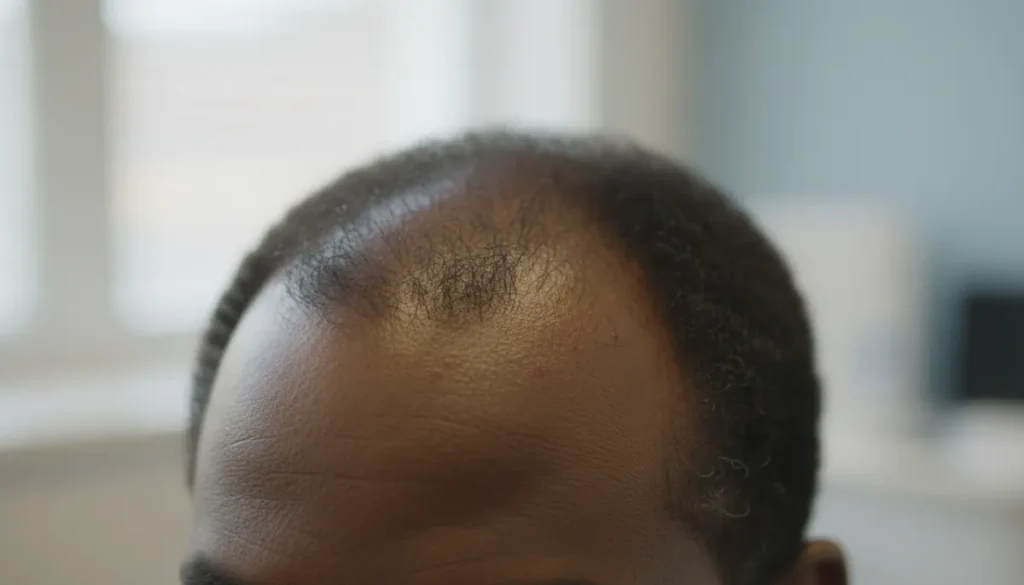
Several medical professionals focus on hair health, each bringing a distinct skill set. Recognizing these differences helps you target the right practitioner from the outset.
Key Specialist Categories
- Dermatologist – A board‑certified skin specialist trained to diagnose and treat scalp disorders, hormonal imbalances, and inflammatory conditions.
- Trichologist – A non‑medical hair‑care expert who assesses hair‑shaft quality, scalp health, and lifestyle factors; often works alongside dermatologists.
- Hair Transplant Surgeon – A plastic or cosmetic surgeon skilled in surgical hair restoration techniques such as FUE, DHI, and FUT.
- Endocrinologist – May be consulted when systemic hormonal issues (e.g., thyroid disease) are suspected to cause hair loss.
| Specialist | Primary Focus | Typical Treatments |
|---|---|---|
| Dermatologist | Scalp skin health, hormonal & inflammatory causes | Topical minoxidil, oral finasteride, corticosteroid injections |
| Trichologist | Hair‑shaft analysis, nutrition, lifestyle | Hair‑care regimens, supplements, low‑level laser therapy |
| Hair Transplant Surgeon | Surgical restoration of permanent hair | FUE, DHI, FUT, eyebrow/beard transplants |
| Endocrinologist | Systemic hormonal disorders | Hormone replacement, thyroid medication adjustments |
When you first ask yourself which doctor to consult for hair loss, consider the nature of your symptoms. If you notice redness, scaling, or sudden patchy loss, a dermatologist is often the best starting point. If your concern centers on thinning without visible scalp disease, a trichologist can provide a comprehensive lifestyle review. Surgical candidates should ultimately be evaluated by a qualified hair transplant surgeon after medical therapies have been explored.
When to See a Dermatologist for Hair Loss
A dermatologist is typically the first medical professional to evaluate unexplained hair shedding. Their training in skin pathology enables them to differentiate between alopecia areata, androgenetic alopecia, and scalp conditions such as psoriasis or seborrheic dermatitis.
Signs That Merit a Dermatology Appointment
- Sudden patchy bald spots or circular bald areas.
- Scalp itching, redness, scaling, or visible inflammation.
- Rapid hair thinning that progresses over weeks rather than months.
- Family history of autoimmune scalp disorders.
- Previous use of over‑the‑counter hair growth products with no improvement.
| Condition | Typical Dermatology Treatment | Expected Timeline |
|---|---|---|
| Androgenetic Alopecia | Topical minoxidil, oral finasteride, low‑level laser therapy | 3‑6 months for visible regrowth |
| Alopecia Areata | Corticosteroid injections, topical immunotherapy | Variable; may require several months |
| Scalp Psoriasis | Topical steroids, vitamin D analogues, medicated shampoos | Improvement within weeks |
During your visit, the dermatologist may perform a scalp biopsy, blood tests, or trichoscopic examination to pinpoint the cause. If the diagnosis confirms a medical condition that could be managed with medication, the dermatologist will prescribe evidence‑based treatments such as finasteride for men or spironolactone for women. In cases where the scalp is healthy but hair follicles are miniaturized, the dermatologist may refer you to a hair transplant surgeon for a surgical solution.
The Role of a Trichologist in Hair Restoration
While not a medical doctor, a trichologist specializes in the science of hair and scalp health. Their expertise lies in assessing hair‑shaft integrity, scalp micro‑circulation, and the impact of nutrition and stress on hair growth.
What a Trichologist Can Offer
- Detailed scalp analysis using video dermoscopy.
- Personalized hair‑care regimens based on hair type and lifestyle.
- Recommendations for vitamins, minerals, and supplements that support keratin production.
- Guidance on low‑level laser devices and non‑invasive therapies.
- Referral coordination with dermatologists or surgeons when medical intervention is needed.
Patients often seek a trichologist after trying generic hair growth products without success. By examining factors such as diet, sleep quality, and environmental exposures, a trichologist can identify hidden contributors to thinning hair. For example, deficiencies in biotin, iron, or vitamin D are common culprits that can be corrected with targeted supplementation.
When you ask which doctor to consult for hair loss, remember that a trichologist can serve as a valuable bridge between self‑care and medical treatment. They help you optimize the foundation of hair health before moving on to prescription medications or surgical options.
Hair Transplant Surgeons: When Surgical Intervention Is Needed
For individuals with extensive thinning or pattern baldness that has not responded to medical therapy, a hair transplant surgeon offers permanent restoration. These surgeons are trained in microsurgical techniques that relocate healthy follicles from donor areas (typically the back of the head) to balding zones.
Key Surgical Techniques
- Follicular Unit Extraction (FUE) – Individual follicles are harvested using a micro‑punch, leaving minimal scarring.
- Direct Hair Implantation (DHI) – Similar to FUE but follicles are implanted directly with a specialized pen, reducing handling time.
- Follicular Unit Transplantation (FUT) – A strip of scalp is removed, and follicles are dissected before implantation; suitable for large‑area coverage.
| Technique | Advantages | Typical Recovery |
|---|---|---|
| FUE | Minimal scarring, faster healing, suitable for short hairstyles | 7‑10 days for visible healing |
| DHI | Higher graft survival, precise angle control | 7‑10 days, similar to FUE |
| FUT | Higher graft yield per session, often lower cost per graft | 10‑14 days, linear scar concealed by hair |
Before committing to surgery, the surgeon conducts a thorough evaluation that includes a trichoscopic assessment, donor‑site analysis, and discussion of realistic expectations. If you have already consulted a dermatologist and exhausted medical options, the surgeon will confirm whether you are a good candidate for transplantation. In many cases, a combined approach—continuing finasteride or minoxidil post‑surgery—optimizes long‑term results.
Choosing the Right Doctor: Key Questions to Ask
After understanding the spectrum of specialists, the final step is to evaluate individual practitioners. Asking the right questions ensures you select a professional whose expertise aligns with your specific hair‑loss profile.
Essential Questions for Your Consultation
- What is your board certification and specific training in hair loss?
- Do you have experience treating patients with my type of alopecia (e.g., androgenetic, alopecia areata, scarring)?
- Which diagnostic tests do you recommend before deciding on a treatment plan?
- What are the expected outcomes, timeline, and potential side effects of the proposed therapy?
- Can you provide before‑and‑after photos of patients with similar conditions?
- Do you work in collaboration with other specialists (dermatologists, trichologists, endocrinologists) if needed?
- What follow‑up care and maintenance regimen do you suggest after treatment?
Document the answers and compare them across candidates. A transparent, communicative doctor who offers a personalized plan is more likely to deliver satisfying results. Remember, the question which doctor to consult for hair loss is not one‑size‑fits‑all; it hinges on your unique diagnosis, treatment history, and aesthetic goals.
Why Choose Gold City Hair
Gold City Hair combines advanced surgical expertise with a patient‑centric approach. Since 2017, our clinic in Turkey has performed thousands of successful hair restorations using FUE, DHI, and eyebrow/beard transplant techniques. Our team includes board‑certified dermatologists and internationally trained hair transplant surgeons who collaborate closely with trichologists to deliver comprehensive, personalized treatment plans. Transparent communication, state‑of‑the‑art facilities, and a commitment to natural‑looking results set us apart as a trusted destination for individuals seeking lasting confidence through hair restoration.
Ready to take the next step toward fuller, healthier hair? Contact Gold City Hair today to schedule your personalized consultation and discover a treatment plan tailored to your needs.
FAQ
Which doctor should I see first for hair loss?
Start with a dermatologist, as they can diagnose most scalp and hormonal causes of hair loss.
What conditions does a dermatologist treat for hair loss?
Dermatologists treat androgenetic alopecia, alopecia areata, scalp psoriasis, seborrheic dermatitis, and other inflammatory scalp disorders.
How can a trichologist help with thinning hair?
A trichologist provides detailed scalp analysis, lifestyle counseling, and non‑medical treatments to improve hair health.
What are the main hair transplant techniques?
The primary techniques are Follicular Unit Extraction (FUE), Direct Hair Implantation (DHI), and Follicular Unit Transplantation (FUT).
When is it appropriate to consider surgical hair restoration?
Surgery is considered when medical therapies have failed and there is stable, extensive thinning or pattern baldness.
What tests might a dermatologist perform to diagnose hair loss?
Dermatologists may conduct scalp biopsies, blood panels, and trichoscopic examinations.
Can an endocrinologist be involved in hair loss treatment?
Yes, especially when hormonal disorders like thyroid disease or androgen imbalance are suspected.