
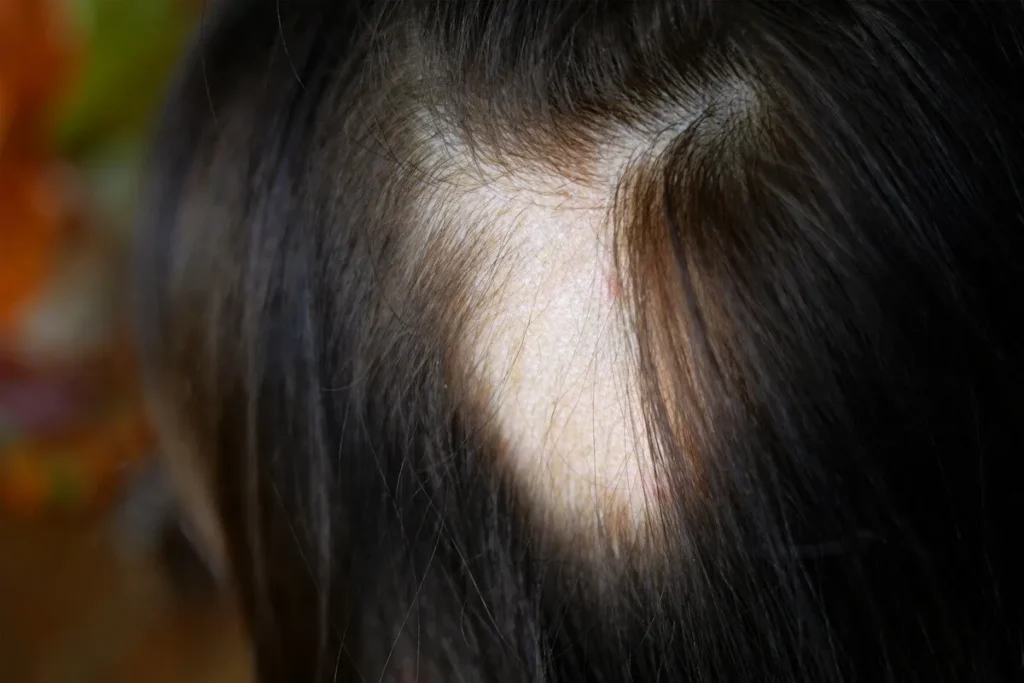
Seeing a bald spot on your child’s head can be scary. But knowing the signs of alopecia in kids is the first step to help them.
Identify alopecia in teenager cases early. Learn the crucial warning signs and effective ways to support your teen through sudden hair loss.
Alopecia areata is an autoimmune disease that leads to hair loss. It shows up as bald spots on the scalp. It’s not because of bad hygiene or how you parent. It’s when the body’s immune system attacks hair follicles by mistake.
As a parent, seeing early signs of alopecia in kids can worry you. But with the right info and support, you can guide your child through this.
Önemli Çıkarımlar
Understanding alopecia in kids is key to managing it well.
Alopecia areata is an autoimmune disease that causes hair loss.
It’s not due to poor hygiene or parenting.
Spotting early signs of alopecia in kids helps in getting the right help.
Being caring and well-informed is vital for kids with childhood alopecia.
Understanding Childhood Alopecia: Causes and Prevalence
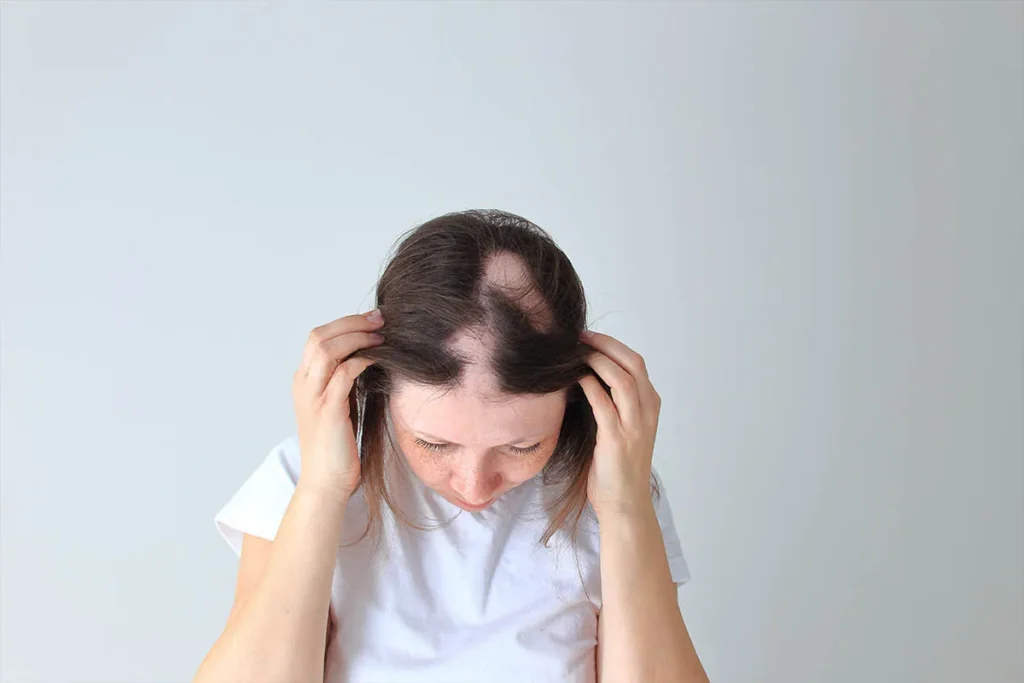
Alopecia in children can worry parents, but knowing the causes helps. It’s more than just hair loss; it’s an autoimmune disorder. It needs a full approach to manage.
What Is Alopecia in Children?
Alopecia areata is when the immune system attacks hair follicles, causing hair loss. It can happen in patches or even lead to total baldness. It’s important to know that alopecia areata is not contagious, so it can’t spread through touch.
The exact cause of alopecia areata in kids is being studied. But, there’s a strong link to genetics. Kids with a family history of autoimmune diseases are more likely to get it. Stress and some environmental factors might also play a role, but these are not proven.
How Common Is Alopecia Among Kids?
Alopecia areata affects about 2% of people, with a big number being children. It can start at any age, even in toddlers. Kids with a family history of autoimmune diseases are at higher risk.
Knowing how common and what causes it helps parents and caregivers support their kids. Here are some important points:
Alopecia areata is an autoimmune condition, not caused by poor hygiene or diet.
The condition is not contagious, so children with alopecia areata can interact normally with their peers.
Genetic predisposition plays a significant role, so a family history of autoimmune diseases is a risk factor.
Stress and environmental factors may trigger or worsen the condition in susceptible individuals.
By understanding these points, parents can handle the challenges of childhood alopecia better. They can seek the right medical advice and support for their kids.
Recognizing the Signs of Alopecia Across Age Groups
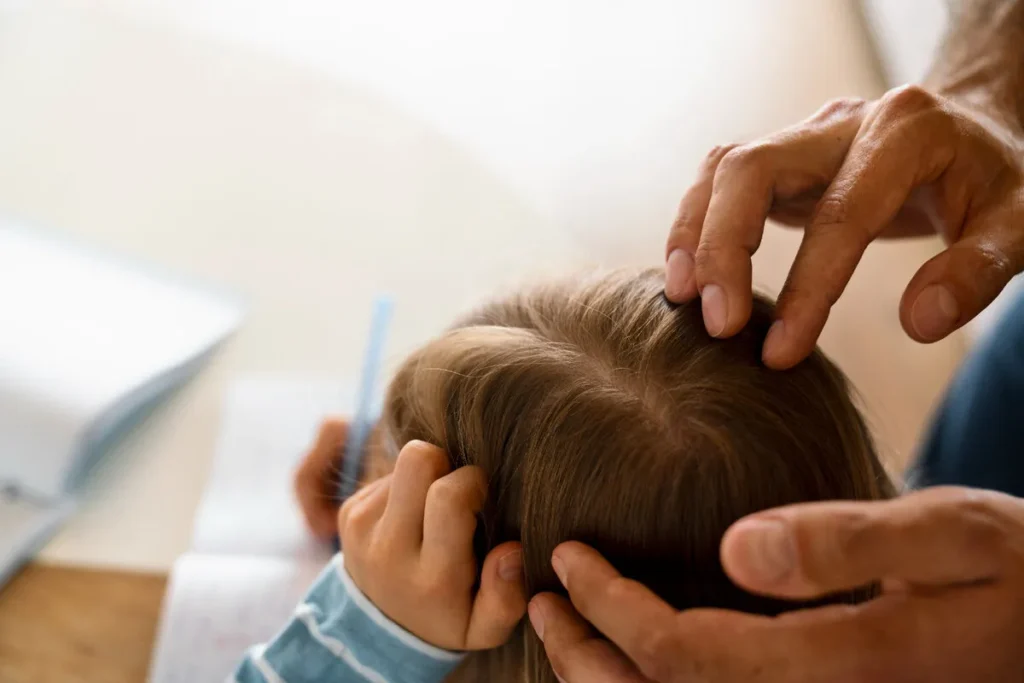
Alopecia in children shows up differently at various ages. It’s important for parents to know the signs. Catching it early helps manage it better.
Signs of Alopecia in Toddlers
In toddlers, alopecia looks like sudden bald spots on the scalp. These spots are smooth and don’t usually have scaling or swelling. Watching your child’s hair closely is key during this time.
Common Symptoms in School-Age Children
As kids get older, alopecia signs change. School-age children might have more obvious bald spots. They might also have “exclamation mark” hairs, which are short and taper at the base.
When to Consult a Doctor
If your child has unusual hair loss or bald spots, see a doctor. Early diagnosis is key to managing alopecia. A doctor can guide you and check for other health issues that might cause hair loss.
Regain your confidence by getting professional help early. With the right support, you can help your child through this.
Alopecia in Teenagers: Special Considerations
Alopecia in teenagers is more than just a physical issue. It’s also an emotional and psychological journey. Teenagers are already dealing with big changes in their lives. Alopecia adds another layer of complexity to this important time.
Physical Manifestations in Teens
In teenagers, alopecia can show up in different ways, similar to adults. Patchy hair loss is common, with some getting alopecia areata. This causes distinct patches of baldness. It can also cause excessive hair shedding, making simple tasks like combing or styling hair hard.
Psychological Impact and Support Strategies
The emotional impact of alopecia on teenagers is huge. The visible signs can cause significant emotional distress. It can hurt their self-esteem and how they interact with others. Teenagers might feel isolated or embarrassed, leading them to stay away from social activities or avoid places where their hair loss is noticeable.
Support strategies are key for teenagers with alopecia. Open communication between parents and teens is essential. It lets them share feelings and concerns. Counseling or therapy can also help them deal with the emotional side of alopecia. Plus, joining support groups can make them feel less alone by sharing experiences with others who face similar challenges.
By understanding the emotional challenges and providing practical help, families can support their teenagers. It’s about regaining confidence and finding ways to manage the condition. This ensures alopecia doesn’t define their teenage years.
Conclusion: Supporting Your Child Through Alopecia
Dealing with alopecia in kids can be tough, but the right steps can help. Knowing the signs and symptoms is key for early treatment. Treatments include topical corticosteroids and steroid injections.
Supporting kids with alopecia needs a full approach. This includes medical care and emotional support. As a parent, being involved in treatment can greatly help. Working with doctors, you can help your child feel better and manage their condition.
If your child has a bald patch or other alopecia symptoms, see a doctor. The right treatment can help manage the condition. This way, your child’s life can improve significantly.
SSS
What is alopecia areata in children?
Alopecia areata in children is an autoimmune condition where the immune system attacks hair follicles, causing patchy hair loss on the scalp, eyebrows, or body hair.
Is alopecia areata contagious?
No, alopecia areata is not contagious and cannot be spread from one person to another.
What are the signs of alopecia in toddlers?
Signs include small, round bald patches on the scalp, sudden hair shedding, short broken hairs near the edges of patches, and sometimes nail changes like pitting.
How common is alopecia among kids?
Alopecia areata affects about 1–2% of children, making it less common than in adults, but it can occur at any age.
What is the psychological impact of alopecia on teenagers?
Teenagers may experience low self-esteem, anxiety, social embarrassment, or depression due to visible hair loss and peer reactions.
Can alopecia areata be treated in children?
Yes, treatment options include topical corticosteroids, minoxidil, gentle immunotherapy, and sometimes oral medications, though spontaneous regrowth is also common.
How can I support my child with alopecia areata?
Offer emotional support, encourage open communication, educate your child about the condition, and consider support groups or counseling to build confidence.
Is there a genetic predisposition to alopecia areata?
Yes, having family members with alopecia or other autoimmune conditions can increase a child’s risk, but genetics is not the only factor.
What should I do if I find a bald spot on my child’s head?
Schedule a pediatrician or dermatologist visit to confirm the cause, discuss treatment options, and get guidance on caring for your child emotionally and physically.
Referanslar
Ulusal Biyoteknoloji Bilgi Merkezi. Kanıta Dayalı Tıbbi Öngörü. Erişim adresi https://pmc.ncbi.nlm.nih.gov/articles/PMC11882485/[1





