Seeing bumps on your scalp can be scary. But knowing what causes them is the first step to fixing the problem. Millions of people worldwide face scalp bumps issues. These problems can affect not just your scalp but your overall health too.
Psoriasis, seborrheic dermatitis, and folliculitis are common reasons for hard bumps in scalp. In the U.S., about 7.5 million people have psoriasis. It’s important to find out why and how to treat it. Knowing the cause helps you start feeling better and get a smooth scalp.
Önemli Çıkarımlar
Scalp bumps can be caused by various conditions, including psoriasis and seborrheic dermatitis.
Proper diagnosis is key for effective treatment.
Understanding the causes can help individuals regain their confidence.
Treatment options vary based on the underlying cause.
Professional evaluation is necessary for accurate diagnosis.
Understanding Scalp Bumps and When to Seek Help
It’s key to know the signs of scalp bumps to tell if they’re harmless or serious. Scalp bumps can look different, and knowing what they look like is important. This helps you decide what to do next.
Common Symptoms to Watch For
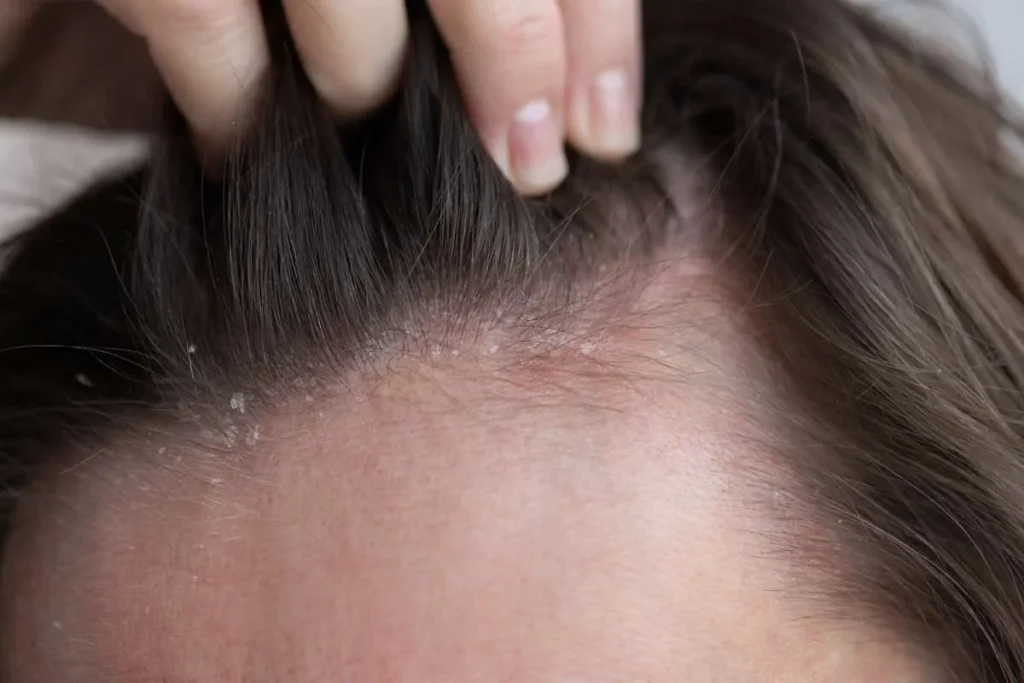
Scalp bumps can cause itchiness, redness, and flaking. These signs might mean you have psoriasis or seborrheic dermatitis. Look out for these symptoms:
Little itchy bumps on the scalp
Bumps on the head that come and go
Tender bump on the scalp
Scalp bump on the head
When to See a Doctor
Some scalp bumps are no big deal, but others might mean you need to see a doctor. It’s important to know when to seek help. If you notice any of these, it’s time to visit a doctor:
Persistent or severe symptoms
Increased redness or swelling
Pus or discharge from the bump
Significant hair loss around the bump
Getting help when you need it can make sure you get the right treatment. It can also ease your worries.
Bumps on Scalp Pictures: 7 Common Causes and Their Characteristics
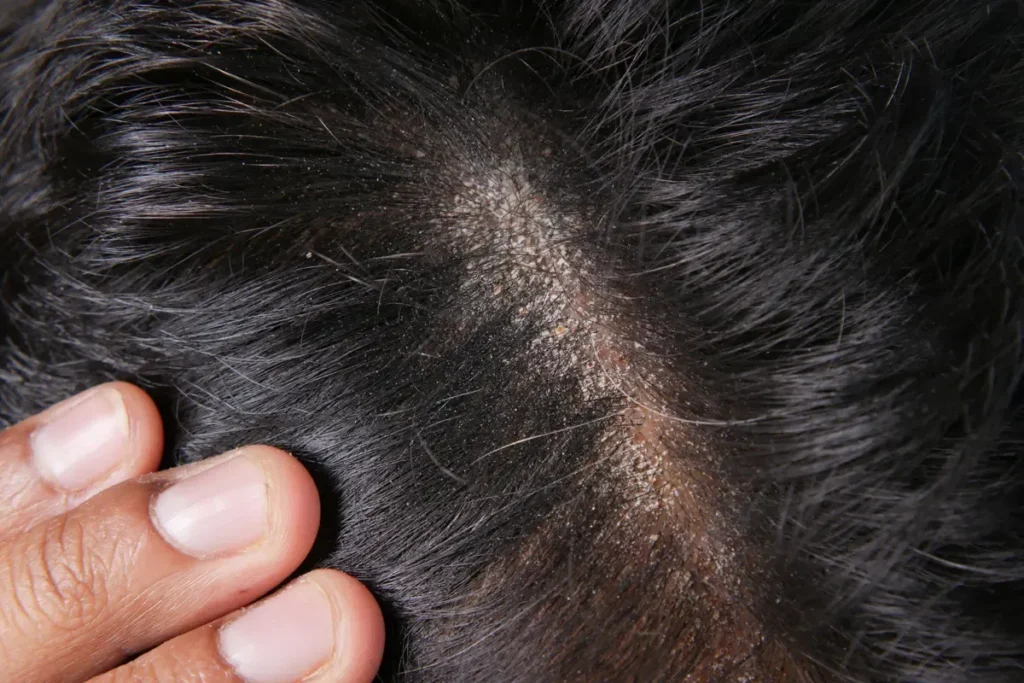
Scalp bumps can come from many reasons, each with its own signs. Knowing these conditions helps in finding the right treatment.
Psoriasis: Red Plaques with Silvery Scaling
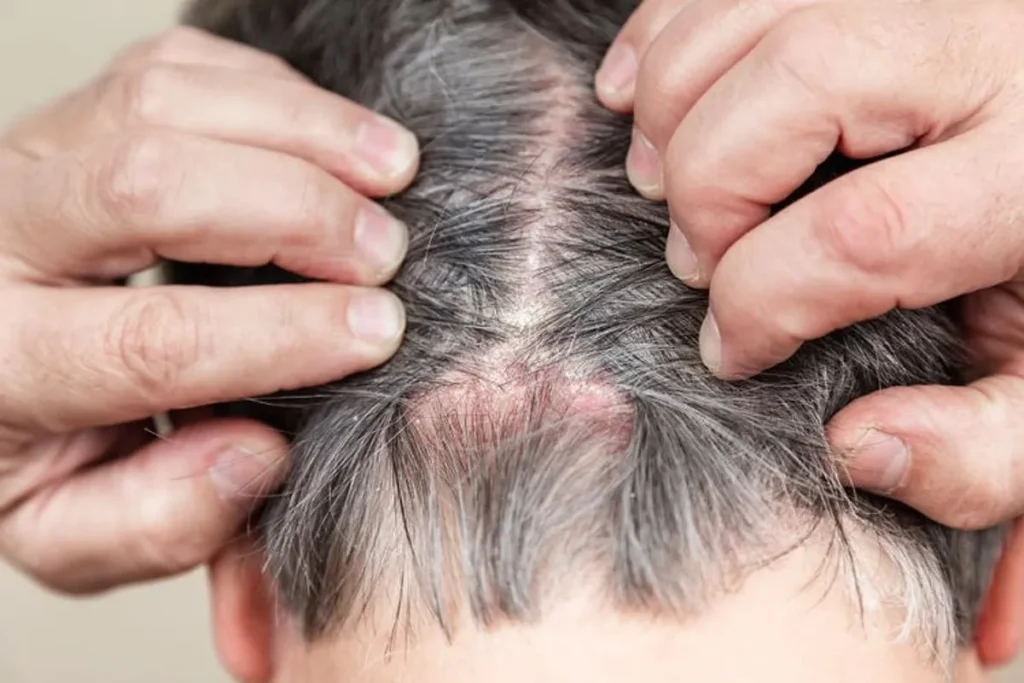
Psoriasis is a long-term condition that makes skin cells grow too fast. This leads to scales and red patches that itch or hurt. Scalp psoriasis shows as red patches with silvery scales, sometimes spreading beyond the hairline.
Seborrheic Dermatitis: Greasy Yellow Scales
Seborrheic dermatitis causes a red, itchy rash on the scalp. It also shows up on oily body parts like the face. It’s marked by greasy yellow scales or crusts on the scalp, with redness and irritation.
Folliculitis: Inflamed Hair Follicles
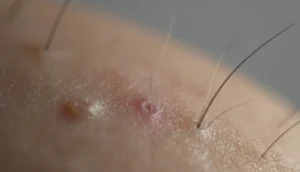
Folliculitis is an inflammation of hair follicles, often from bacteria or fungi. It results in inflamed bumps or pustules around hair follicles, which can itch or hurt. In bad cases, it can cause scars.
Sebaceous Cysts: Firm Nodules Under the Skin
Sebaceous cysts are harmless, closed bumps under the skin on the scalp. They feel firm and can move under the skin. Though usually safe, they can get infected or inflamed, needing doctor’s care.
Other common causes of scalp bumps include:
Keratosis Pilaris: Small, rough bumps from dry skin or keratin buildup.
Eczema: Itchy, inflamed skin on the scalp.
Pilar Cysts: Benign cysts around hair follicles.
Knowing the signs of these conditions helps find the cause of scalp bumps. If you have ongoing or severe bumps, see a dermatologist for the right diagnosis and treatment.
Effective Treatment Options for Scalp Bumps
Many treatments are available for scalp bumps. Finding the right one depends on knowing the cause and choosing wisely.
Prescription Medications and Professional Treatments
For psoriasis and seborrheic dermatitis, prescription medications are key. Topical corticosteroids, antifungals, or immunomodulators are common. Light therapy is also effective for some conditions.
Dermatologists might suggest professional procedures like drainage or surgery for cysts or abscesses.
Over-the-Counter Solutions
For mild bumps, over-the-counter (OTC) solutions work well. Medicated shampoos with ketoconazole, zinc pyrithione, or salicylic acid are good. Anti-inflammatory creams or ointments can also help.
Gentle Home Remedies and Prevention
Gentle home remedies can also help. Regular scalp care and avoiding harsh products are important. Natural remedies like tea tree oil or apple cider vinegar can help, but use them carefully.
Understanding scalp bumps and exploring treatment options can lead to a healthier scalp. This is true whether it’s through medical treatments or home remedies.
Sonuç
Understanding the causes and signs of bumps on the scalp is key to treating them. Knowing what causes lumps on the head helps people start fixing their scalp issues.
Small hard bumps on the scalp might mean there’s a bigger problem. Knowing what these bumps mean can guide people to the right treatment. This could be medicines, over-the-counter products, or simple home remedies.
Fixing scalp problems is the first step to feeling better about oneself. Choosing the right treatment and taking action can lead to a healthy scalp. With the right steps, you can have a scalp without bumps or irritation, making your hair healthy and comfortable.
SSS
What are the common causes of hard bumps on the scalp?
Common causes include folliculitis, cysts, psoriasis, seborrheic dermatitis, allergic reactions, and blocked hair follicles.
How do I identify the symptoms of scalp bumps?
Symptoms may include small or large lumps, redness, itching, pain, tenderness, flaking, or pus-filled spots.
What is the difference between psoriasis and seborrheic dermatitis on the scalp?
Psoriasis causes thick, silvery scales with well-defined patches, while seborrheic dermatitis causes greasy, yellowish flakes with redness.
Can folliculitis cause bumps on the scalp?
Yes, folliculitis is an infection or inflammation of hair follicles that causes small red or pus-filled bumps.
Are there any home remedies for treating scalp bumps?
Warm compresses, gentle cleansing, tea tree oil (diluted), aloe vera, and avoiding harsh hair products may help mild cases.
When should I see a doctor for bumps on my scalp?
Seek medical care if bumps are painful, spreading, persistent, filled with pus, associated with fever, or not improving.
Can bumps on the scalp be a sign of an underlying condition?
Yes, recurrent or severe bumps may be linked to infections, autoimmune conditions, hormonal issues, or chronic skin disorders.
How can I prevent scalp bumps from recurring?
Maintain good scalp hygiene, avoid tight hairstyles, reduce product buildup, clean hair tools, and manage scalp conditions early.
Are there any effective over-the-counter treatments for scalp bumps?
Medicated shampoos with salicylic acid, ketoconazole, or zinc pyrithione may help depending on the cause.
Can I still have hair restoration with bumps on my scalp?
Hair restoration is usually delayed until the scalp condition is properly treated and inflammation is under control.