Is your hashimoto scalp causing hair loss? Discover 7 crucial warning signs and how to treat thyroid-related skin and hair issues effectively.
Your skin, hair, and nails might be showing signs about your thyroid health. Thyroid hormones control important processes in your skin, hair, and nails. When these hormones get out of balance, you might notice dry skin, hair loss, brittle nails, or facial rashes.
It’s important to understand how thyroid problems affect your skin, hair, and nails. Learning how to manage these issues can help you feel better. This is true for those dealing with Hashimoto’s disease and scalp problems.
By tackling thyroid-related skin symptoms, you can greatly improve your life. This can help you feel more confident and better overall.
Önemli Çıkarımlar
Thyroid disorders directly impact skin, hair, and nail health.
Dry skin, hair loss, and brittle nails are common symptoms.
Understanding the connection between thyroid health and skin issues is key.
Effective management strategies can improve quality of life.
Regaining confidence is possible through proper care and treatment.
The Connection Between Thyroid Disorders and Skin Health
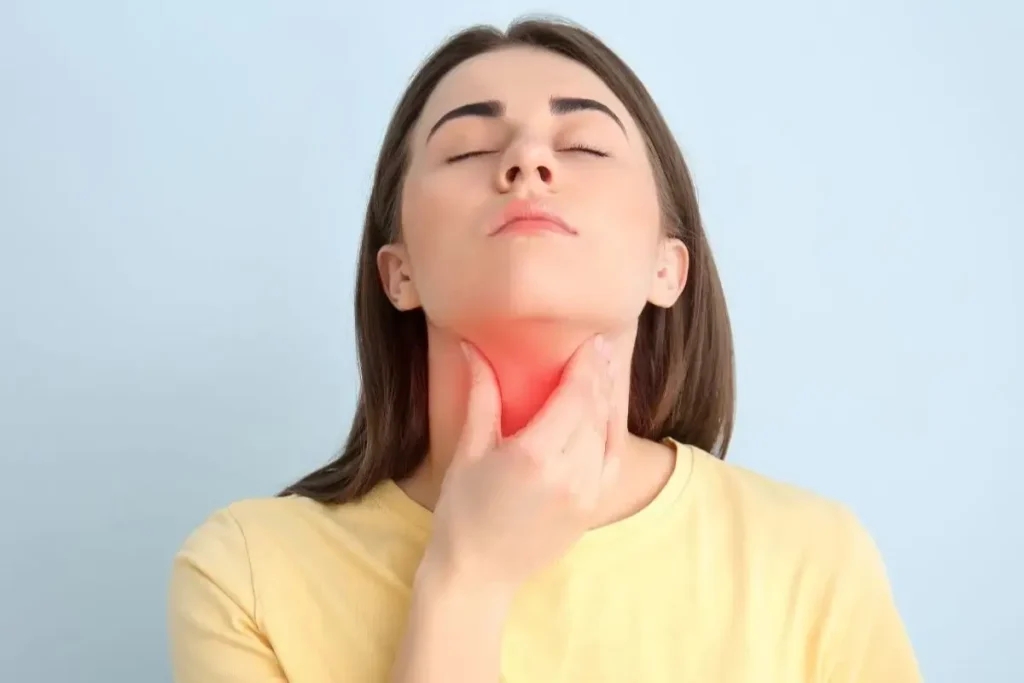
Thyroid hormones are key to keeping the skin healthy. They help the skin function right. Any problem with these hormones can make the skin look different.
How Thyroid Hormones Regulate Skin Function
Thyroid hormones affect how well the skin works. They help keep the skin hydrated and thick. They also help skin cells grow and renew.
Triiodothyronine (T3) and thyroxine (T4) are the main hormones from the thyroid gland. They control how skin cells grow and fall off.
When thyroid hormones are balanced, the skin stays healthy. But, an imbalance can cause skin problems.
Distinguishing Hypothyroidism vs. Hyperthyroidism Skin Effects
Thyroid disorders, like hypothyroidism and hyperthyroidism, affect the skin differently. Hypothyroidism makes the skin dry and rough. It happens because the skin doesn’t sweat as much.
Dry, scaly skin (xerosis cutis)
Cool, pale skin due to reduced circulation
Increased risk of skin infections
Hyperthyroidism, on the other hand, makes the skin warm and moist. It causes a lot of sweating. The skin might look flushed, and the heart rate and metabolism go up.
Flushed, warm skin
Excessive sweating
Potential for skin thinning
Knowing these differences helps doctors treat thyroid-related skin problems better.
Hashimoto Scalp and Hair Symptoms
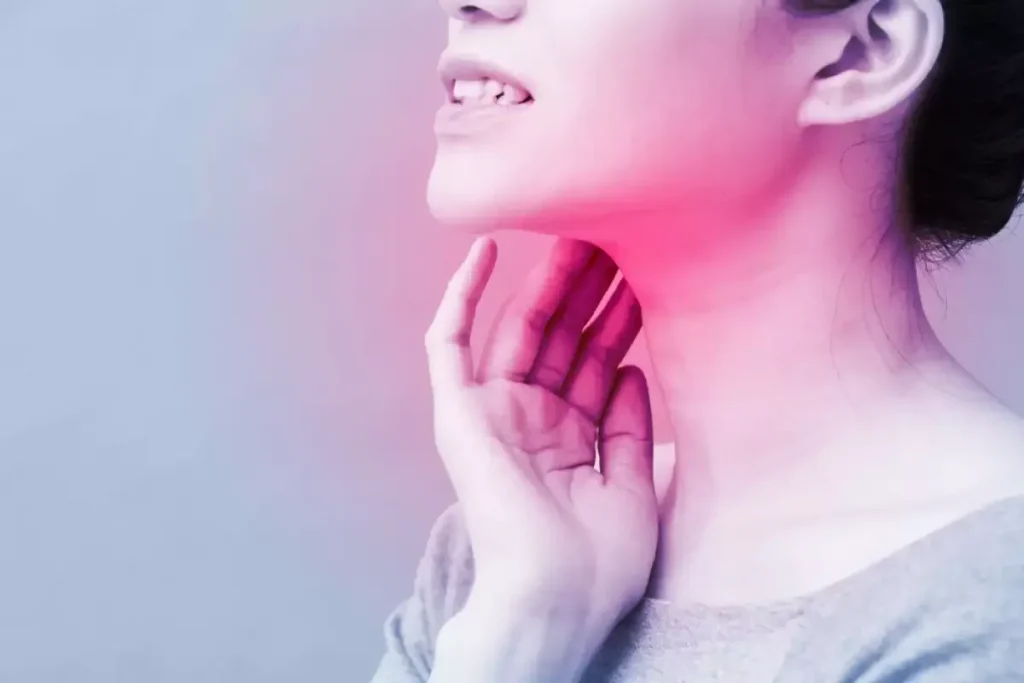
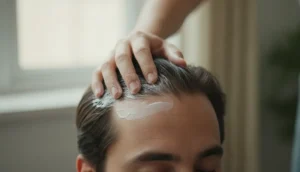
Hashimoto’s thyroiditis can cause many hair and scalp problems. It’s important to understand these symptoms to manage them well. People with this condition often face hair issues because of the disease’s autoimmune nature.
1. Diffuse Hair Loss and Telogen Effluvium
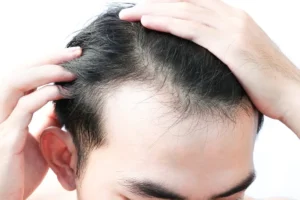
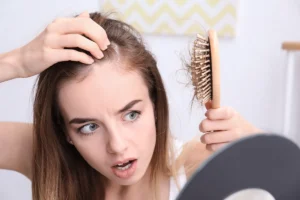
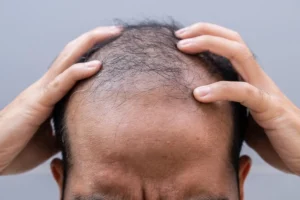
Diffuse hair loss is a common symptom of Hashimoto’s. It’s linked to telogen effluvium. This happens when the hair growth cycle changes, causing more hair to fall out than usual.
Excessive hair shedding
Thinning across the scalp
Reduced hair density
Telogen effluvium is often seen in Hashimoto’s due to hormonal imbalances. It’s a common issue for those with the condition.
2. Coarse, Brittle Hair Texture
Hashimoto’s can also change hair texture, making it coarse and brittle. This happens because of lower thyroid hormone levels. These hormones are key for healthy hair follicles.
Without enough thyroid hormones, hair becomes brittle. It also loses shine and breaks easily.
3. Dry, Flaky Scalp Conditions
A dry, flaky scalp is another symptom of Hashimoto’s. It can cause scalp irritation and flakiness, similar to dandruff.
Dryness and irritation of the scalp
Flakiness and itchiness
Increased sensitivity
Dealing with these scalp issues needs a variety of solutions. This includes using medicated shampoos and making lifestyle changes.
Skin and Nail Manifestations of Thyroid Dysfunction
The skin and nails can show signs of thyroid health issues. Problems with the thyroid can cause noticeable changes. These symptoms can really affect a person’s life quality.
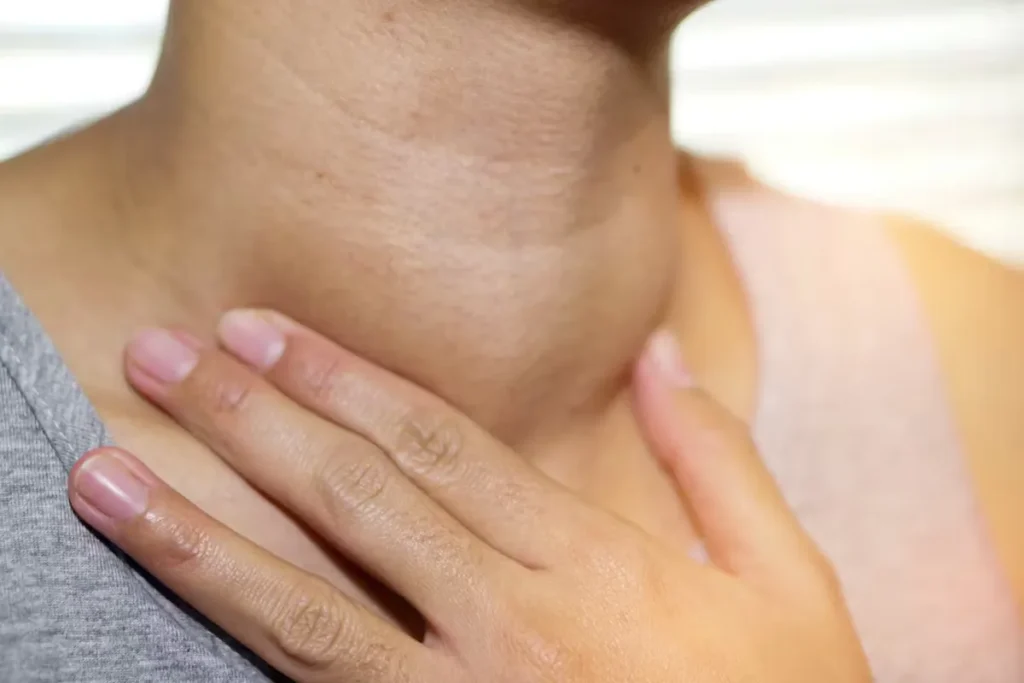
Dry, Scaly Skin (Xerosis Cutis)
Dry, scaly skin is a common sign of hypothyroidism. It happens because of less thyroid hormones, leading to less sebum. This makes the skin dry and scaly. It can be itchy and uncomfortable. Regaining thyroid balance can help fix these issues.
Experts say dry skin is a big problem for people with hypothyroidism. Proper skin care and moisturizing can help manage it.
Pale, Cool Skin with Reduced Circulation
People with hypothyroidism often have pale, cool skin. This is because of less circulation and a slower metabolism. They might feel cold even when it’s not that cold. Regular exercise and staying warm can help.
Skin Rashes and Myxedema
Skin rashes and myxedema are signs of thyroid problems. Myxedema makes the skin thick, often on the lower legs. It can also cause other skin changes. Early diagnosis and treatment are key to managing these symptoms.
Brittle, Ridged Fingernails
Brittle, ridged fingernails are common in thyroid problems, like hypothyroidism. Thyroid hormones affect nail growth and health. Keeping nail health up with good care and nutrition is important.
Thyroid issues can cause many skin and nail problems. It’s important to recognize these symptoms early. This helps with early diagnosis and better management.
Conclusion: Recognizing and Addressing Thyroid-Related Skin Changes
It’s important to know about thyroid-related skin changes to manage thyroid disorders well. Understanding how thyroid hormones affect skin health helps spot symptoms like dry, scaly skin and rashes. These signs can point to hypothyroidism or hyperthyroidism.
Using the right management strategies can ease these symptoms. This improves skin health and overall life quality. Taking control of thyroid-related skin issues boosts confidence and emotional well-being.
Being aware and managing thyroid-related skin changes is key for good skin health. A complete approach to thyroid care helps reduce the effects of thyroid disorders on skin, hair, and nails. This leads to a more confident and healthy life.
SSS
What are the common skin symptoms associated with thyroid disorders?
Hypothyroidism often causes dry, rough, pale, and cool skin, while hyperthyroidism may cause warm, moist, flushed skin and increased sweating.
How do thyroid issues affect the hair and scalp?
Thyroid imbalance can lead to diffuse hair thinning, brittle hair, dry scalp, or increased shedding due to disruption of the hair growth cycle.
Can thyroid problems cause nail changes?
Yes, they can cause brittle, thin, slow-growing nails in hypothyroidism, and soft or rapidly growing but weak nails in hyperthyroidism.
What is the connection between thyroid hormones and skin function?
Thyroid hormones regulate metabolism, blood circulation, skin cell turnover, and moisture balance, all of which impact skin health.
How can I manage thyroid-related skin, hair, and nail changes?
Stabilizing thyroid hormone levels, maintaining proper nutrition, moisturizing regularly, and gentle hair and nail care can help improve symptoms.
Can hyperthyroidism cause skin redness or flushing?
Yes, hyperthyroidism can increase blood flow and sweating, leading to warm, flushed skin.
Are there any specific treatments for thyroid-related hair loss?
The primary treatment is correcting thyroid hormone levels; hair regrowth often improves once levels are stable.
Can hypothyroidism cause itchy scalp or skin?
Yes, hypothyroidism commonly causes dry, itchy skin and scalp due to reduced oil and sweat production.
How can I differentiate between hypothyroidism and hyperthyroidism skin symptoms?
Hypothyroidism usually causes dry, thick, and cool skin with hair thinning, while hyperthyroidism causes warm, moist, flushed skin with increased sweating and possible fine hair thinning.
Referanslar
Ulusal Biyoteknoloji Bilgi Merkezi. Kanıta Dayalı Tıbbi Öngörü. Erişim adresi https://pmc.ncbi.nlm.nih.gov/articles/PMC10214500/