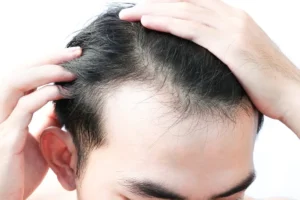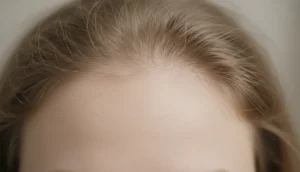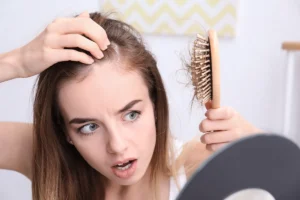
Women with thinning hair or hair loss can find relief in Minoxidil. It’s a trusted, scientifically-backed treatment. Over 60 percent of female users see a real improvement in hair density and growth. This FDA-approved topical therapy boosts many women’s confidence and quality of life.
By age 50, more than 10 percent of women face female pattern hair loss. By age 70, this number jumps to over 30 percent. Minoxidil comes in 2% scalp solution and 5% scalp foam. Women usually use 2 percent solution twice a day or 5 percent foam once a day.
Learning how to use Minoxidil correctly can help women regain their confidence. It’s a step towards achieving their hair restoration goals.
Önemli Çıkarımlar
Minoxidil is an FDA-approved treatment for female pattern hair loss.
It is available in 2% solution and 5% foam formulations.
Proper application and patience are key to achieving desired results.
Understanding the differences between women’s and men’s Minoxidil is important.
Consulting a dermatological expert can help maximize the benefits of Minoxidil therapy.
Understanding Female Pattern Hair Loss and Minoxidil
Starting to fight female pattern hair loss means learning about it and looking at treatments like Minoxidil. This hair loss is common and happens when hair gets thinner, mainly on the top and crown of the scalp.
What is Female Pattern Hair Loss?
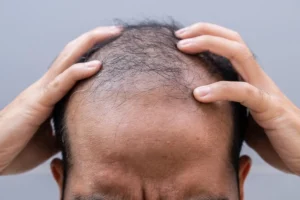
Female pattern hair loss makes hair follicles smaller, leading to thinner, shorter hair. It often runs in families and can be affected by hormones. It’s not just about looks; it can really hurt a woman’s self-esteem and daily life.
The American Academy of Dermatology says many women deal with this issue. It gets worse with age. Doctors can diagnose it by looking at your medical history, doing a physical check, and sometimes a scalp biopsy.
How Minoxidil Works for Women
Minoxidil is a scalp solution that helps hair grow and slows down loss. It makes blood vessels wider, bringing more oxygen and nutrients to hair follicles. This makes hair follicles bigger, leading to thicker, healthier hair.
Minoxidil’s effectiveness in women: Studies show Minoxidil helps women grow more hair and have thicker hair. It comes in 2% and 5% strengths.
Clinical Effectiveness and Success Rates
Many studies prove Minoxidil works for female pattern hair loss. A study in the Journal of the American Academy of Dermatology found women using Minoxidil grew more hair after 24 weeks.
Tıp Uzmanı, Dermatolog
It’s important to remember Minoxidil is not a cure but a treatment. Using it regularly and being patient are key to seeing results.
Differences Between Women’s and Men’s Minoxidil
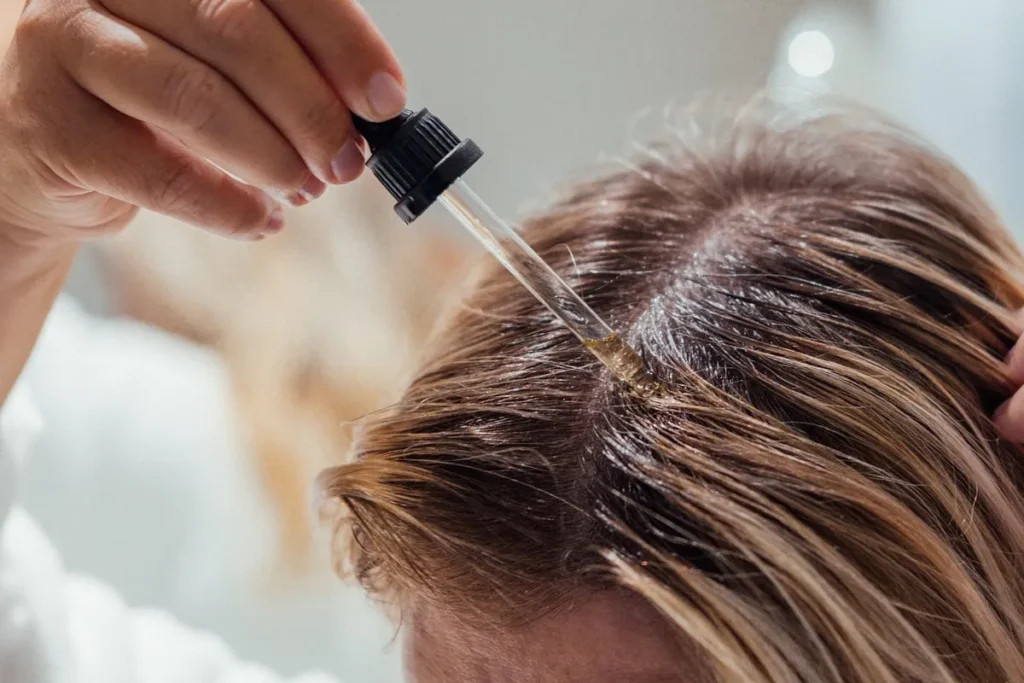
Minoxidil is a top choice for hair growth. It comes in different strengths and uses for men and women. Using the wrong one can make it not work or even cause problems.
Concentration and Dosage Variations
Men’s Minoxidil is usually 5% and used twice a day. Women’s versions are 2% and used twice a day, or 5% foam once a day. This is because men and women lose hair differently and have different skin types.
The 2% version for women is softer. It helps avoid side effects like redness or extra hair.
Why Women Should Not Use Men’s Formulations
Men’s Minoxidil can harm women because it’s stronger. It has ingredients that might cause too much hair growth, irritation, or other issues.
Women should use products made just for them. This ensures they work well and are safe.
Available Product Options for Women
Women have many Minoxidil choices. These include:
Rogaine for Women, which comes in a 2% solution or 5% foam
Other generic or brand-name products that are formulated just for women
It’s important to follow the right application and talk to a doctor if you’re unsure.
How to Use Minoxidil for Women: Step-by-Step Application Guide
To get the most out of Minoxidil, it’s key to follow a specific application process for women. Proper application is vital for the best results.
Preparing Your Scalp for Treatment
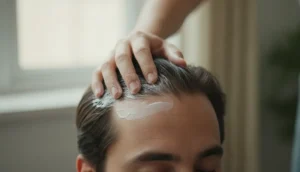
Before you start, make sure your scalp is clean and dry. Clear away dirt, oil, or styling products that might block the solution or foam. Massage your scalp gently to boost blood flow and treatment effectiveness.
Applying 2% Solution (Twice Daily Method)
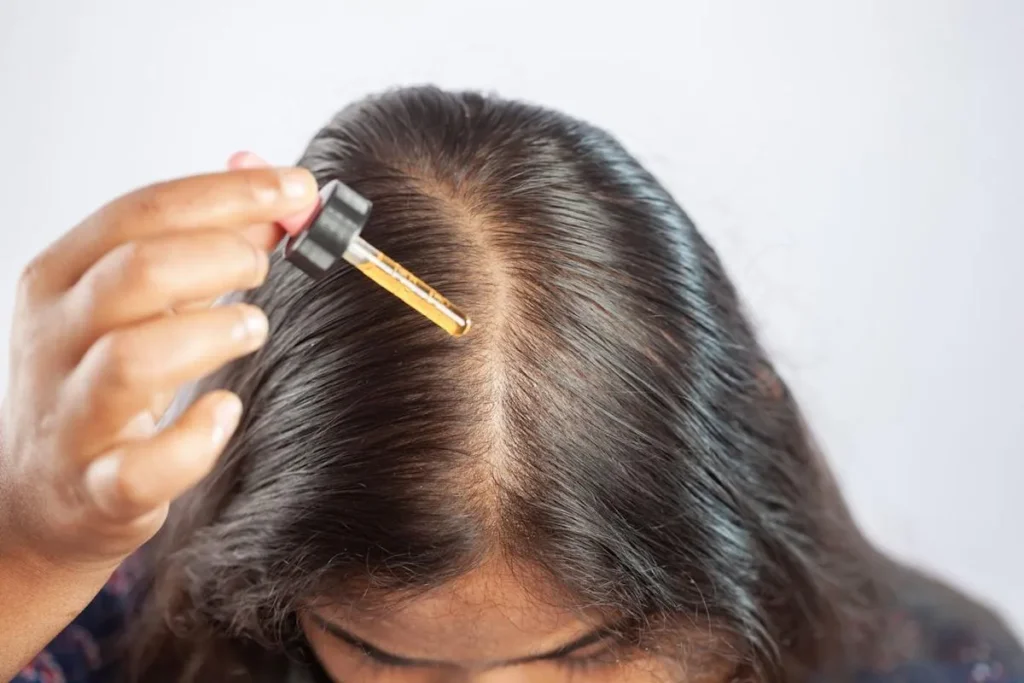
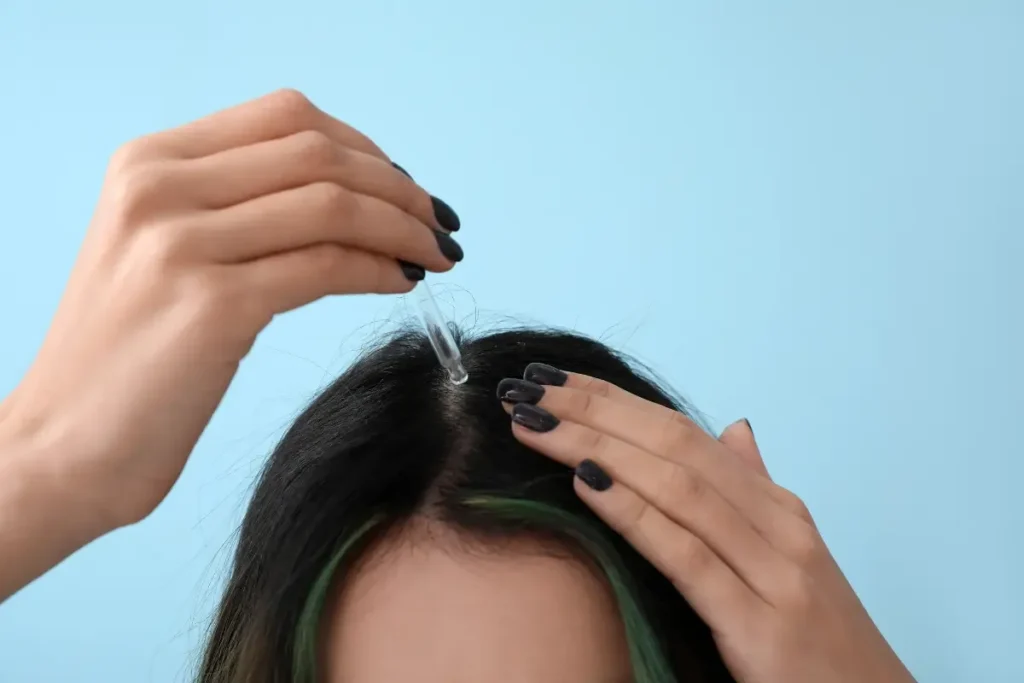
For the 2% Minoxidil solution, spray six times (1 ml) on your scalp twice a day. Use the applicator provided for the right amount and to avoid too much. Rub the solution into your scalp to help it absorb better.
Apply it in the morning and evening, with a gap in between. This helps the treatment work better.
Applying 5% Foam (Once Daily Method)
For the 5% Minoxidil foam, use half a capful once a day. Massage the foam into your scalp with your fingertips to spread it evenly and ensure absorption.
For the best results, apply it at the same time each day. Morning or as your healthcare provider advises is best.
Best Practices and Common Mistakes to Avoid
To get the most from your Minoxidil treatment, follow these tips:
Stick to the recommended application schedule.
Avoid using too much product, as it doesn’t improve results.
Don’t wash your hair right after applying Minoxidil; wait at least four hours.
Be patient, as results may take several months.
Avoid common mistakes like applying to wet hair, using too much, and not massaging it well. By avoiding these mistakes, you can regain your confidence with healthier, fuller hair.
Conclusion: Managing Expectations and Ensuring Long-Term Success
Regaining confidence through hair restoration is a journey. It needs patience, persistence, and realistic expectations. Women using Minoxidil can see results in 3-6 months. But, they must keep using it to keep hair growing.
Knowing how long Minoxidil works for women is key to success. It might take months to see results, but it’s proven to work for many. Yet, it’s important to remember it needs constant use to keep working.
By following the guide and best practices in this article, women can boost their chances with Minoxidil. With regular use and the right mindset, Minoxidil can help women with hair loss. It can help them feel confident and reach their hair goals.
SSS
Does metoprolol cause hair loss in everyone who takes it?
Metoprolol does not cause hair loss in everyone who takes it, and in fact, it is considered an infrequent side effect. While clinical studies and patient reports indicate that hair thinning can occur, the vast majority of people taking this medication do not experience any noticeable change in their hair density. Whether or not an individual experiences this side effect depends on their unique sensitivity to the medication, their dosage, and their overall health profile.
What is the likelihood of experiencing hair loss while taking metoprolol?
The likelihood of experiencing hair loss while taking metoprolol is generally low, often cited in clinical literature as affecting roughly 1% or fewer of patients. Because it is a rare side effect, many doctors do not list it as a primary concern when starting the medication. However, because metoprolol is so widely prescribed for blood pressure and heart health, the total number of people reporting the issue can seem high even if the statistical percentage remains very small.
Are other beta-blockers associated with hair loss?
Hair loss is actually a known class effect of beta-blockers, meaning it is not unique to metoprolol. Other medications in this category, such as propranolol, atenolol, and timolol, have also been linked to hair thinning. While the mechanism is similar across the class, some patients find that they react differently to one specific beta-blocker than another, suggesting that switching to a different version within the same family might sometimes alleviate the symptom.
How does metoprolol cause hair loss?
Metoprolol is believed to cause hair loss by disrupting the natural timing of the hair growth cycle. Specifically, the medication can trigger a shift where a larger-than-normal percentage of hair follicles prematurely exit the growth phase and enter the resting phase. While the exact biological reason for this shift is not fully understood, it is thought to be related to the way beta-blockers affect blood flow or the cellular signaling required to keep hair in the active growth stage.
What is telogen effluvium, and how does it relate to metoprolol?
Telogen effluvium is the specific medical term for the type of temporary hair loss often triggered by medications like metoprolol. In a healthy scalp, about 10% of hairs are in the telogen or resting phase at any given time, but metoprolol can push a higher percentage of hairs into this phase simultaneously. About two to four months after starting the drug or increasing the dose, these resting hairs begin to shed all at once, leading to diffuse thinning across the entire scalp rather than localized bald spots.
Can dietary changes help mitigate hair loss while taking metoprolol?
While dietary changes cannot stop the pharmaceutical trigger of metoprolol, ensuring optimal nutrition can help support the hair that remains and encourage faster recovery. Focusing on a diet rich in iron, zinc, and protein provides the follicles with the essential building blocks needed for hair production. Some people find that supplementing with Vitamin D or biotin can be helpful, but it is important to remember that these nutrients support the growth process rather than blocking the side effect of the medication itself.
Are there alternative medications to metoprolol that may have a lower risk of hair loss?
There are several classes of blood pressure medications, such as ACE inhibitors, ARBs, or calcium channel blockers, that are generally less associated with hair loss than beta-blockers. If metoprolol is being used specifically for its heart-protective benefits, your doctor might consider a different beta-blocker that is cardioselective or potentially a different class of drug entirely. However, you should never stop or switch your heart medication without direct medical supervision, as these drugs are vital for cardiovascular safety.
How can I manage hair loss while taking metoprolol?
Managing hair loss while on metoprolol involves being very gentle with the hair you have to prevent additional mechanical breakage. Using wide-tooth combs, avoiding high-heat styling tools, and skipping tight hairstyles can help preserve hair volume. Some people also use over-the-counter topical treatments like minoxidil to help stimulate the follicles and keep them in the growth phase, though you should always confirm with your pharmacist that these are safe to use alongside your specific heart medications.
Will stopping metoprolol stop hair loss?
In most cases, hair loss caused by metoprolol is reversible, and the hair will begin to regrow once the medication is stopped or the dose is significantly lowered. Because telogen effluvium is a temporary disruption of the cycle, the follicles remain alive and capable of producing hair. Once the trigger is removed, it typically takes several months for the hair cycle to normalize and for new growth to become visible as it slowly replaces the shed strands.
Can scalp stimulation help with hair loss caused by metoprolol?
Scalp stimulation, such as regular massage, may help by increasing local blood circulation to the hair follicles, ensuring they receive maximum nutrients from the bloodstream. While massage alone isn’t strong enough to override the effects of the medication, it can be a helpful, low-risk habit to support overall scalp health. Combining gentle scalp stimulation with a consistent moisturizing routine can also help keep the scalp skin healthy, which provides a better environment for new hair to emerge once the shedding phase ends.
Referanslar
Ulusal Biyoteknoloji Bilgi Merkezi. Kanıta Dayalı Tıbbi Öngörü. Erişim adresi https://pubmed.ncbi.nlm.nih.gov/15034503/