
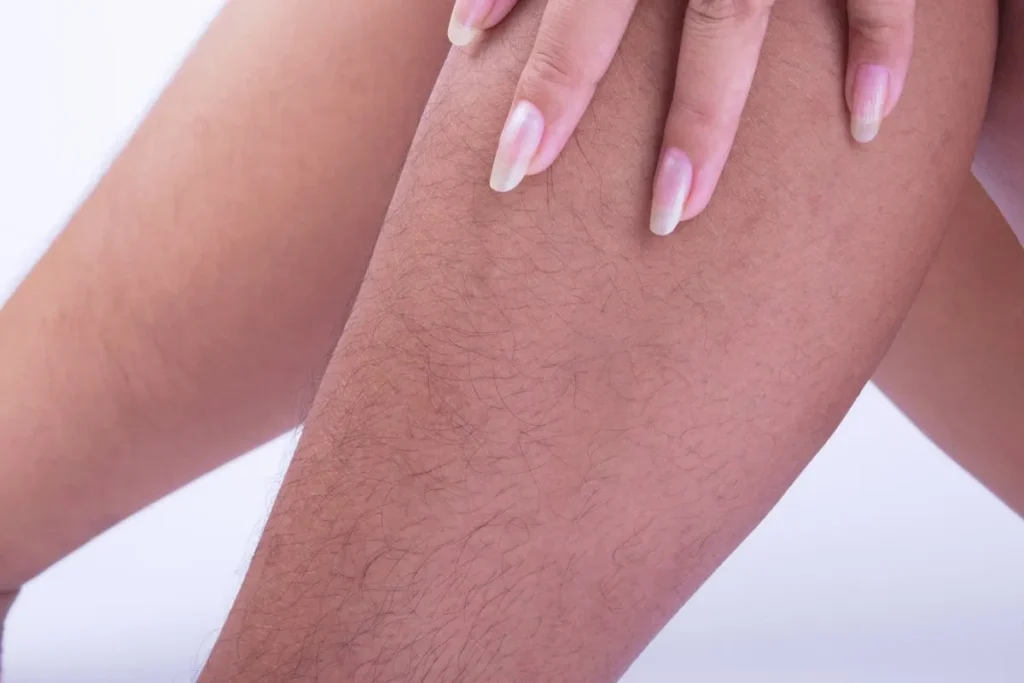
Hair loss on the legs, known as anterolateral leg alopecia, affects both men and women as they age. It’s not just about looks; it can show health problems. Many see thinning or bald spots on their calves and ankles. This could mean poor circulation or other health issues.
Anterolateral leg alopecia covers many medical conditions, both harmless and serious, leading to hair loss on the legs. As people get older, they might notice big changes in their body hair, including on their legs. Knowing what causes this condition is key to fixing the health problems.
Önemli Çıkarımlar
Hair loss on the legs is a common condition in aging men and women.
Anterolateral leg alopecia can be a sign of underlying health issues.
Poor circulation is one of the possible causes of hair loss on the legs.
Understanding the causes is important for addressing the condition.
Hair loss on the legs is not just a cosmetic concern.
Understanding Age-Related Leg Hair Loss
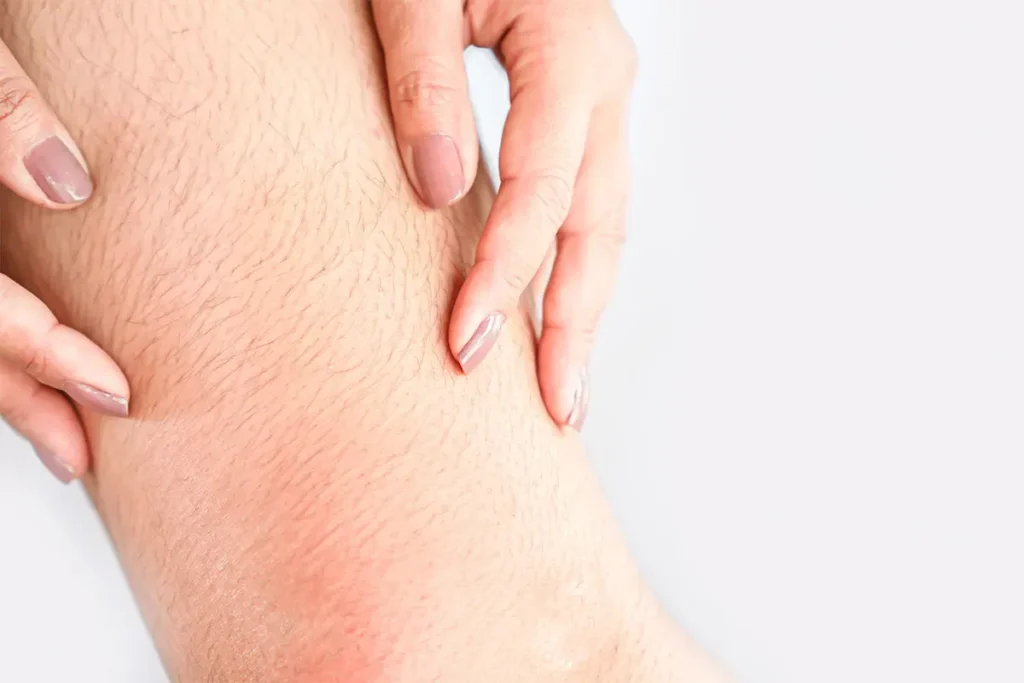
Many people, as they get older, notice they’re losing hair on their legs. This is more common than you might think. Aging brings changes that can slow down hair growth on the legs and other parts of the body.
What is Anterolateral Leg Alopecia?
Anterolateral leg alopecia is when hair falls out on the lower legs, mainly on the front side. It leads to bald patches on legs and is a worry for both men and women as they age. Research has helped us understand how common it is and what might cause it.
Prevalence and Patterns in Men and Women
About 35 to 40 percent of middle-aged and older men have anterolateral leg alopecia. This number goes up as people get older. Men are more likely to have this issue than women, thanks to hormone differences.
Losing leg hair is common, but how fast and how much can differ between men and women.
The Biology of Aging Hair Follicles
As we age, our hair follicles change a lot. They grow slower and produce thinner, shorter hairs. This is why hair loss on men’s legs and losing leg hair women experience is common. Knowing this helps us find ways to deal with it.
Regaining confidence in how we look is possible. By understanding why we lose hair on our legs, we can start to find solutions that work for us.
Primary Causes of Diminishing Leg Hair
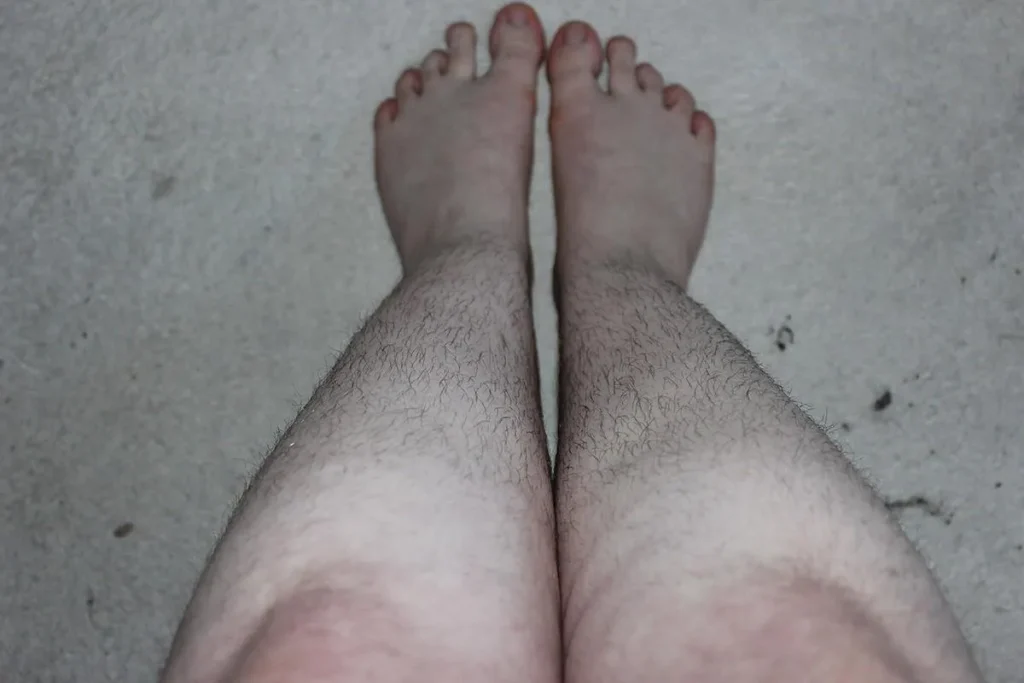
Several factors can lead to losing leg hair. These include poor circulation, hormonal imbalances, and not getting enough nutrients. As we get older, our bodies change in ways that can affect hair growth on our legs.
Vascular Insufficiency and Circulation Problems
Vascular insufficiency is a big reason for losing leg hair. Conditions like peripheral artery disease (PAD) can slow down or stop hair growth. When blood flow to the legs is low, hair follicles don’t get the oxygen and nutrients they need, causing hair loss.
Poor circulation can be caused by many things. These include:
Smoking
High blood pressure
High cholesterol
Diabetes
Fixing these problems is key to managing leg hair loss due to poor circulation.
Hormonal Changes That Affect Hair Growth
Hormonal changes play a big role in hair growth and loss. Androgenetic alopecia, a condition often linked to scalp hair, can also affect body hair. Changes in hormone levels, like an imbalance of androgens, can cause hair loss on the legs.
Hormonal changes can be caused by:
Menopause or menopausal symptoms
Thyroid disorders
Polycystic ovary syndrome (PCOS)
Understanding and managing these hormonal changes can help lessen their effect on leg hair.
Nutritional Deficiencies and Their Impact
Nutritional deficiencies are also a big factor in losing leg hair. Not getting enough nutrients can weaken hair follicles and stop hair growth. Key nutritional deficiencies that can affect leg hair include:
Iron deficiency
Vitamin D deficiency
B vitamin deficiencies
Eating a balanced diet rich in these nutrients is important for healthy hair growth on the legs.
Regaining confidence in one’s appearance means understanding and fixing the reasons for losing leg hair. By focusing on vascular health, hormonal balance, and nutritional well-being, people can take steps to reduce this problem.
Can You Get More Leg Hair as You Get Older?
As we age, many wonder if they can grow more leg hair. The natural aging process can change how hair grows, often leading to less leg hair. This change is due to hormonal shifts, poor blood flow, and not getting enough nutrients.
When to Be Concerned About Leg Hair Loss
Some hair loss with age is normal. But, if your leg hair stops growing and you have other symptoms, it could be a sign of a bigger problem. Symptoms like leg cramps, cold feet, or skin color changes might mean your blood flow is off.
Signs that may indicate a more serious issue:
Leg cramping or pain
Cold feet or hands
Skin discoloration or ulcers
Slow healing of wounds
If you notice these signs, seeing a doctor is a must. They can check for any serious health problems.
Treatment Options and Management Strategies
While you might not grow back all your leg hair, there are ways to help. Better blood flow, a healthy diet, and managing health issues can all help your hair grow back.
Feeling good about how you look is linked to your health. By tackling the reasons for leg hair loss and using the right strategies, you can look and feel better.
Sonuç
As we get older, our body hair can change. This includes a hairless patch on the leg or patchy hair. It’s important to know why this happens to find the right solution.
Getting a diagnosis early can really help. By seeing a doctor, you can find out why you’re losing hair. Then, you can choose the best treatment for you.
Feeling confident again starts with taking care of your health. Learning about aging hair follicles and hair loss can guide your choices. With the right steps, you can have fuller, healthier hair and a better life.
SSS
Why is my leg hair falling out?
Leg hair loss can occur for a variety of reasons, ranging from simple mechanical friction to underlying medical conditions. Often, the hair follicles on the legs are more sensitive to changes in circulation and hormonal shifts than the hair on your head. Common causes include constant rubbing from tight clothing, such as socks or skinny jeans, as well as more complex systemic issues like poor blood flow or autoimmune responses. Understanding whether the loss is patchy or uniform can often help narrow down whether the cause is external or internal.
Is losing leg hair a normal part of aging?
It is quite common and generally considered a normal part of the aging process to see a gradual thinning of leg hair. As people age, hair follicles naturally begin to miniaturize and spend less time in the active growth phase, which can lead to hair that is finer, lighter, and eventually absent. Additionally, the skin becomes thinner and blood circulation to the extremities may naturally decrease over time, both of which contribute to the slowing or stopping of hair production on the lower limbs.
Can hormonal changes cause hair loss on legs?
Hormonal fluctuations are a major driver of hair distribution and growth patterns throughout the body. A decline in hormones like estrogen and testosterone—which naturally occurs during menopause or as men age—can lead to a noticeable reduction in body hair. Furthermore, conditions like hypothyroidism, where the thyroid gland is underactive, can cause widespread hair thinning that often includes the legs, as the body’s metabolic processes slow down and prioritize essential functions over hair maintenance.
How does vascular insufficiency affect leg hair?
Vascular insufficiency, particularly Peripheral Artery Disease (PAD), is a significant medical cause of leg hair loss. When the arteries that supply blood to the legs become narrowed or blocked, the hair follicles are starved of the oxygen and nutrients they need to function. Hair loss on the lower legs, ankles, or feet is often one of the earliest clinical signs of poor circulation. If the skin also appears shiny, tight, or cool to the touch, it strongly suggests that the hair loss is related to an issue with blood flow.
Can nutritional deficiencies cause leg hair loss?
The body requires a steady supply of vitamins and minerals to produce hair, and when these are lacking, non-essential functions like leg hair growth are often the first to be sacrificed. Deficiencies in iron, zinc, Vitamin D, and protein can all lead to brittle hair or total hair loss on the legs. Because the hair on the legs grows much more slowly than scalp hair, nutritional issues might manifest as a gradual thinning that becomes noticeable only after several months of a dietary gap.
Is it possible to regrow leg hair?
Whether or not leg hair can regrow depends entirely on the root cause of the loss. If the hair fell out due to temporary factors like friction, stress, or a short-term nutritional deficiency, it will usually grow back once the cause is addressed. However, if the follicles have been permanently damaged by scarring or long-term vascular disease, regrowth may be more difficult. In cases of hormonal imbalances, hair often returns to its normal growth cycle once hormone levels are stabilized through treatment.
When should I be concerned about leg hair loss?
You should be concerned about leg hair loss if it happens suddenly, is accompanied by pain, or occurs alongside other symptoms like leg cramping, sores that won’t heal, or a change in the color and temperature of your skin. If you notice that one leg is losing hair while the other remains normal, it is especially important to seek medical advice, as this can be a specific indicator of a localized circulatory blockage. A doctor can perform simple diagnostic tests to determine if the loss is a symptom of a vascular issue.
Are there any treatments available for leg hair loss?
Treatment for leg hair loss is focused on addressing the underlying condition rather than applying topical hair growth products. If the cause is PAD, treatments may include lifestyle changes, medications to improve blood flow, or procedures to clear arterial blockages. For hormonal or nutritional causes, supplements or hormone replacement therapy may be recommended. If the loss is purely cosmetic or due to aging, many people choose not to treat it, as it does not typically pose a threat to overall health unless it is a symptom of a larger problem.
Can women experience leg hair loss?
Women frequently experience leg hair loss, particularly as they approach and enter menopause. The drop in estrogen levels allows a higher relative ratio of androgens to affect the hair follicles, which can ironically cause thinning on the legs while potentially increasing hair on the face. Women are also susceptible to circulatory issues and thyroid disorders that result in smooth, hairless patches on the shins and calves.
Is leg hair loss a sign of a serious health condition?
While leg hair loss can be a benign result of aging or friction, it can also be a red flag for serious health conditions like Peripheral Artery Disease or diabetes. Both conditions can damage the small blood vessels and nerves in the legs, leading to hair loss as a secondary symptom. Because your legs are far from your heart, they are often the first place to show signs of systemic cardiovascular or metabolic distress, making it a symptom that is always worth mentioning to a healthcare provider during a routine check-up.
Referanslar
Ulusal Biyoteknoloji Bilgi Merkezi. Kanıta Dayalı Tıbbi Öngörü. Erişim adresi https://pmc.ncbi.nlm.nih.gov/articles/PMC4154156/





