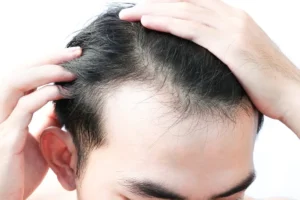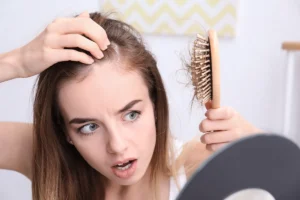
Hair loss often shows a nutritional problem, with protein deficiency being a main cause of thinning and shedding.
Medical Expert, a board-certified dermatologist, says, “The food you eat is key to hair health. Protein is very helpful for hair growth.” Hair is mostly keratin, a protein made from amino acids. So, getting enough protein is vital for healthy hair.
If you don’t get enough protein, you might lose hair. Hair follicles need a lot of energy. So, eating enough protein is key for hair growth and stopping hair loss.
Önemli Çıkarımlar
Adequate protein intake is vital for hair growth and maintenance.
Protein deficiency can cause hair shedding and thinning.
Keratin, a protein made from amino acids, is the main part of hair.
A balanced diet rich in essential amino acids supports hair health.
Nutritional deficiencies, including protein deficiency, can lead to hair loss.
The Science Behind Protein and Hair Health
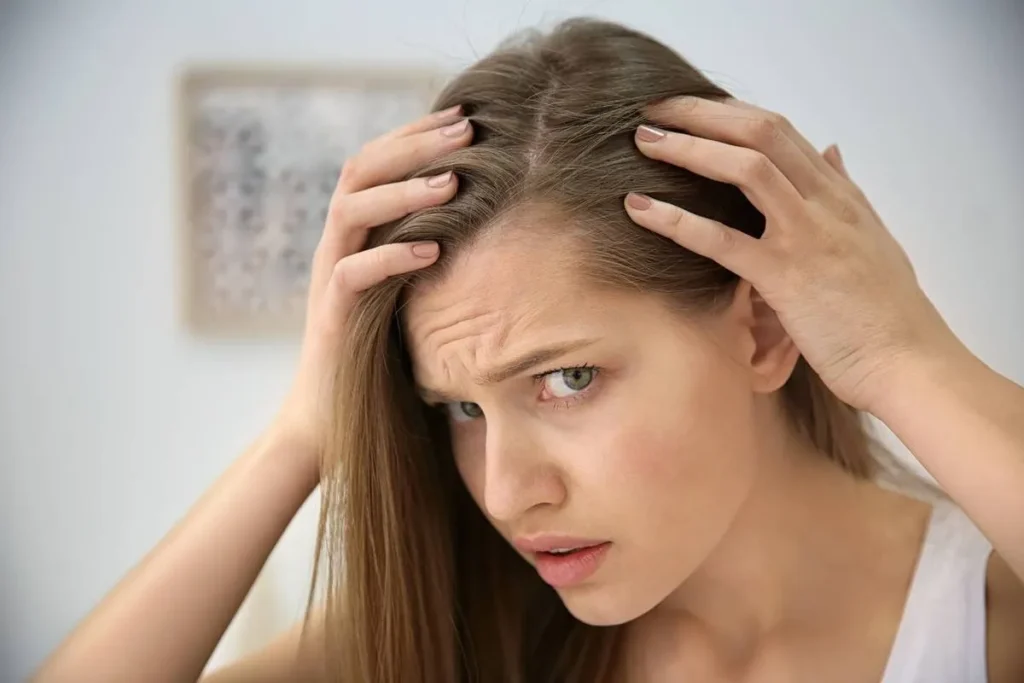
There’s a strong link between protein in your diet and hair growth. Hair is mostly keratin, a protein that makes hair strong and structured.
Hair Structure and Keratin Composition
Hair is made of keratin, a protein with amino acids like lysine and cysteine. These amino acids are key for hair’s strength. Knowing this helps us see how not enough protein can cause hair loss.
The hair shaft has three layers: medulla, cortex, and cuticle. The cortex, the thickest layer, has the most keratin. This layer gives hair its strength and flexibility.
Essential Amino Acids for Hair Growth
Hair needs essential amino acids to grow. These amino acids are the protein’s building blocks. Medical Expert, “Hair needs amino acids to grow. While our bodies can make 11 amino acids, the other 9 essential ones come from food.”
Lysine and cysteine are key for hair’s strength and structure.
Methionine helps with hair health by making other proteins.
Eating foods rich in these amino acids is important for healthy hair. Good sources include lean meats, fish, eggs, and dairy products.
Does Lack of Protein Cause Hair Loss? The Research
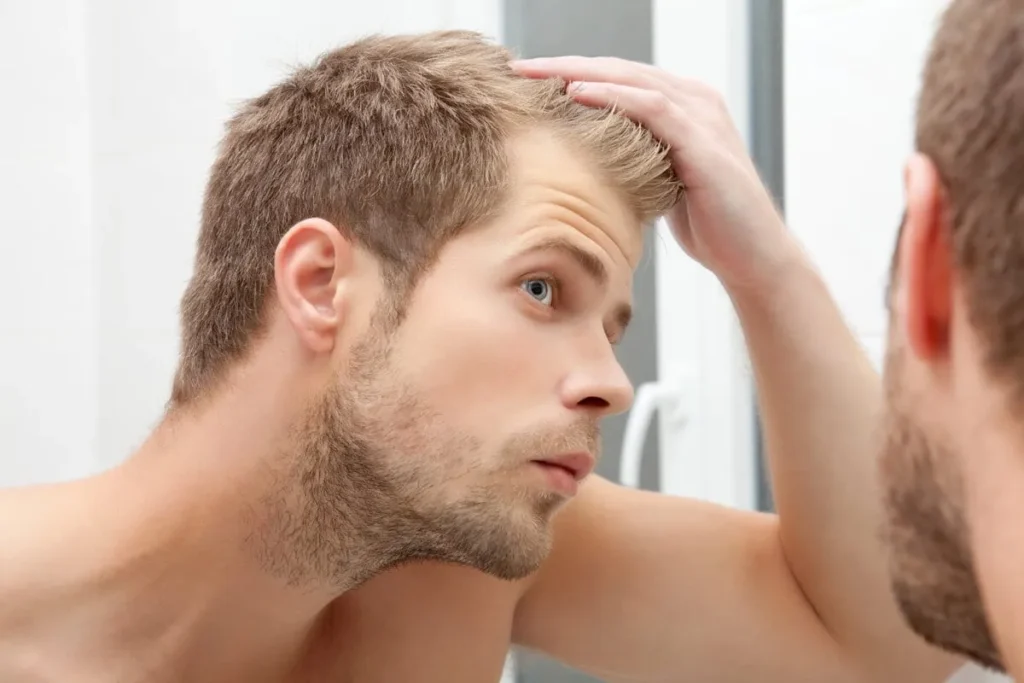
Studies show that not enough protein can harm hair health. It can cause telogen effluvium, leading to hair thinning and shedding. This happens when you don’t get enough protein, often due to malnutrition.
Telogen Effluvium: When Hair Follicles Shut Down
Telogen effluvium happens when hair follicles stop growing due to lack of nutrients. This includes not enough protein. Medical Expert, a hair transplant surgeon, says that fixing this by eating more protein can help. Shedding slows down, and hair starts to grow back over time.
This shows how important protein is for hair health. Eating enough protein helps prevent telogen effluvium and encourages hair to grow.
How Your Body Prioritizes Protein Distribution
The body decides where to send protein first. When you don’t have enough, it goes to important organs. Hair growth is not as important and can suffer.
The body’s priority is to maintain vital organ function.
Hair growth is considered non-essential and can be compromised.
Adequate protein intake is key for healthy hair.
Knowing how the body uses protein helps you keep your hair healthy. Eating enough protein supports hair growth and prevents telogen effluvium.
Getting your confidence back with healthy hair is possible. Make sure you eat enough protein for dream hair and a fuller head of hair.
Protein Requirements for Optimal Hair Health
Knowing how much protein you need is key to keeping your hair healthy and preventing loss. Protein is vital for hair growth and upkeep. Without enough, your hair can become brittle and fall out.
To figure out your protein needs, think about your weight and how active you are. Most people need about 0.8 grams of protein per kilogram of body weight every day. But, if you want to keep your hair healthy, some say you might need more.
Calculating Your Daily Protein Needs
To find out how much protein you need, think about your health goals and how active you are. For most adults, eating 1 to 1.2 grams of protein per kilogram of body weight daily is a good start. This amount helps your hair and your body.
For example, if you weigh 70 kilograms (154 pounds), you might need 70 grams of protein for basic health. But for better hair and muscle, you might need 84 grams. It’s important to adjust your protein intake based on your activity and health goals.
Signs Your Hair Is Suffering from Protein Deficiency
Knowing the signs of protein deficiency can help you change your diet. Look out for brittle or weak hair, thinning nails, and feeling tired all the time. If you see these signs, your hair might not have enough protein.
Other signs include hair loss, mainly around the hairline or crown, and dull, lifeless hair. If you notice these, try eating more protein through food or supplements.
As Medical Expert, “The best way to help hair grow is from the inside, with good nutrition.” Eating a balanced diet with enough protein can really help your hair look and feel better.
Nutrition Strategies to Prevent Hair Loss
Getting enough protein is key to keeping your hair healthy and stopping hair loss. Eating a balanced diet with iron, zinc, and biotin helps your hair stay strong. Not getting enough protein can cause hair loss due to malnutrition.
Medical Expert, “protein supplements can help if you’re not getting enough protein, like after being sick or losing weight. But they’re not a quick fix.” Eating foods rich in protein and other important nutrients is essential. This helps prevent hair loss and supports hair growth.
To keep your hair healthy, eat a variety of whole foods. This way, you avoid hair loss due to malnutrition and support hair growth. Making smart food choices can greatly help keep your hair looking full and healthy.
SSS
Does a lack of protein in the diet cause hair loss?
Yes, protein is the literal building block of hair; your strands are primarily made of a tough protein called keratin. If you don’t eat enough protein, your body will eventually stop sending nutrients to your hair follicles to conserve those resources for vital organs, leading to thinning, brittle strands, and eventually significant shedding.
What is the role of essential amino acids in hair growth?
Essential amino acids, such as lysine ve methionine, are the chemical components that your body uses to construct keratin. Since your body cannot produce these amino acids on its own, you must get them through your diet; a deficiency in even one can weaken the hair’s structure, making it prone to breakage and slow growth.
How does the body prioritize protein distribution?
The body views hair as non-essential tissue, meaning it is the last to receive nutrients and the first to be deprived during a shortage. In a state of protein deficiency, the body enters a survival mode, redirecting protein to repair muscles, produce hormones, and maintain heart function, effectively shutting down the hair growth cycle.
How can I calculate my daily protein needs?
A general rule of thumb for hair health is to aim for roughly 0.8 to 1.2 grams of protein per kilogram of body weight. If you are highly active or recovering from illness, you may need to lean toward the higher end of that scale to ensure there is enough surplus protein to support your hair follicles after your vital organs are serviced.
What are the signs of protein deficiency that can affect hair?
Early signs include hair that feels mushy when wet, a loss of natural curl or shine, and strands that snap easily under tension. As the deficiency progresses, you may notice diffuse thinning across the entire scalp and hair that looks noticeably lighter in color due to a lack of pigment-supporting proteins.
Can supplements help prevent hair loss due to protein deficiency?
Supplements like collagen or amino acid complexes can provide the raw materials for hair growth, but they are most effective when used to supplement a solid whole-food diet. If your overall caloric or protein intake is severely low, the body will simply burn those supplements for energy rather than using them to grow hair.
What nutrition strategies can help prevent hair loss?
Focus on complete proteins—those containing all nine essential amino acids—such as eggs, fish, poultry, or soy. For plant-based eaters, combining different protein sources and ensuring adequate Iron and Vitamin C intake is crucial, as these help the body process the protein and deliver it to the scalp.
Is it possible to regrow hair lost due to protein deficiency?
Yes, hair loss caused by nutrition is typically a form of Telogen Effluvium, which is reversible. Once you consistently hit your daily protein targets and resolve the deficiency, your body will eventually resume the hair growth cycle, though it may take 3 to 6 months to see visible new growth.
Referanslar
Ulusal Biyoteknoloji Bilgi Merkezi. Kanıta Dayalı Tıbbi Öngörü. Erişim adresi https://pmc.ncbi.nlm.nih.gov/articles/PMC5315033/[5