Dealing with painful, pus-filled bumps in the groin area can be really tough. Folliculitis and boils are common skin issues that bother both men and women. They cause discomfort and can make you feel down.
Regaining confidence starts with finding the right treatment for these skin infections. The groin area is often hit by folliculitis and boils because of moisture and friction. This leads to inflamed hair follicles. With the right treatment, you can feel better and get healthy skin.
At Gold City Hair, we focus on you. We use the latest in dermatology and health care to fight these common skin problems.
Önemli Çıkarımlar
Understanding the difference between folliculitis and boils is key to treating them right.
The groin area is more likely to get these infections because of moisture and friction.
Getting the right treatment can help you feel confident and have healthy skin.
Putting the patient first is important when dealing with these skin issues.
Preventive health care is also key in managing folliculitis and boils.
Understanding Folliculitis and Boils in the Groin Region
The groin area is more likely to get skin infections like folliculitis, furuncles, and carbuncles. This is because it’s warm and moist. Things like friction, sweat, and tight clothes can make the skin irritated. This creates a perfect place for bacteria and fungi to grow.
What Are Folliculitis, Furuncles, and Carbuncles?
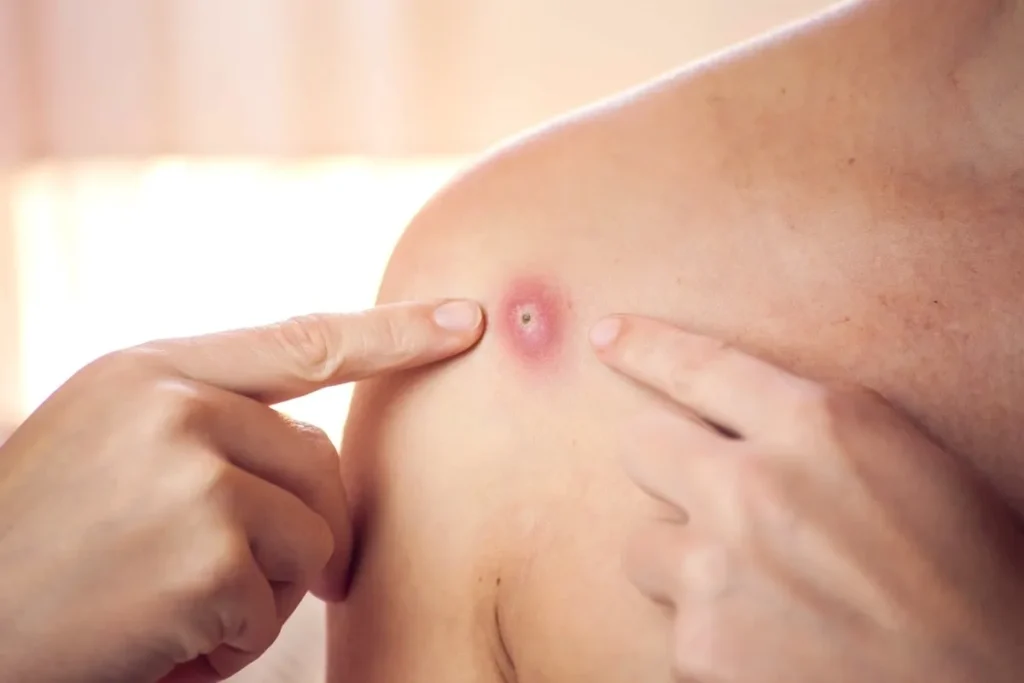
Folliculitis is an inflammation of the hair follicles, often caused by bacteria or fungi. Staphylococcus aureus is a common cause of folliculitis, furuncles (boils), and carbuncles. Furuncles are deeper infections that form abscesses. Carbuncles are larger, more severe infections that can connect multiple hair follicles.
These conditions can be painful and may lead to scarring if not treated properly. Knowing the differences between them is important for effective management.
Common Causes of Groin Infections
The groin area’s warm and humid conditions make it a perfect place for bacteria and fungi to grow. Common causes of groin infections include:
Sweat and moisture accumulation
Friction from clothing
Shaving or waxing
Poor hygiene
Compromised skin integrity
Staphylococcus aureus is a common pathogen responsible for these infections. Other bacteria, fungi, and viruses can also cause folliculitis and related conditions.
Getting a clear diagnosis is key to treating these conditions effectively. Knowing the cause of the infection helps target the treatment. This reduces the risk of complications and recurrence.
Identifying Folliculitis Symptoms and Complications
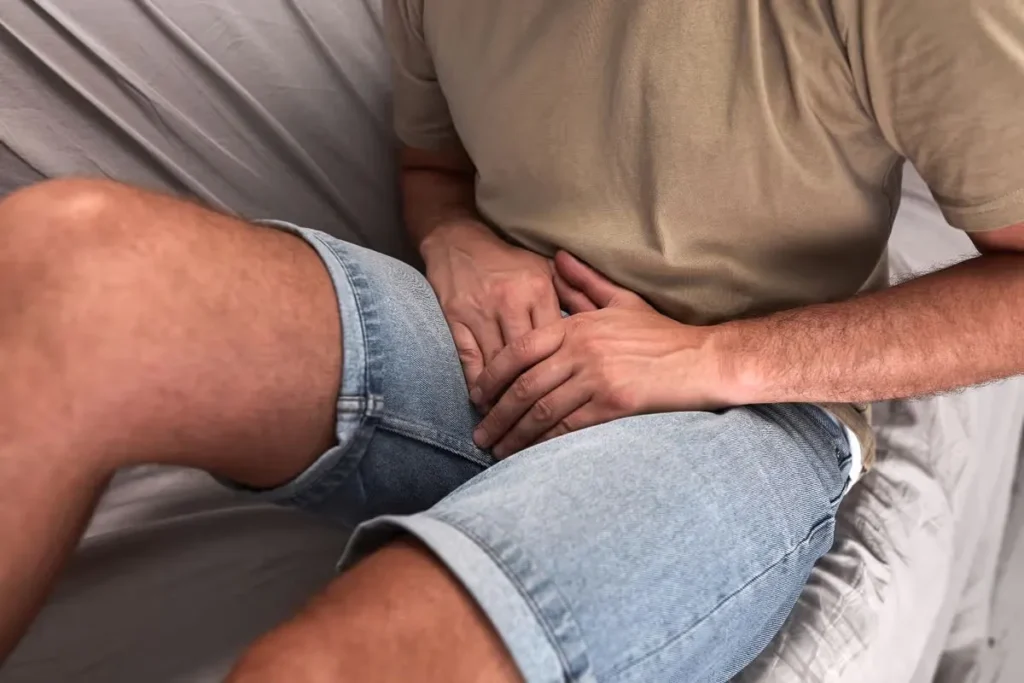
Knowing the signs and risks of folliculitis is important for managing it. Folliculitis is an inflammation of hair follicles. It can be mild or severe.
Early Warning Signs of Folliculitis
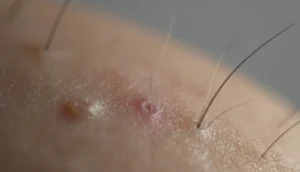
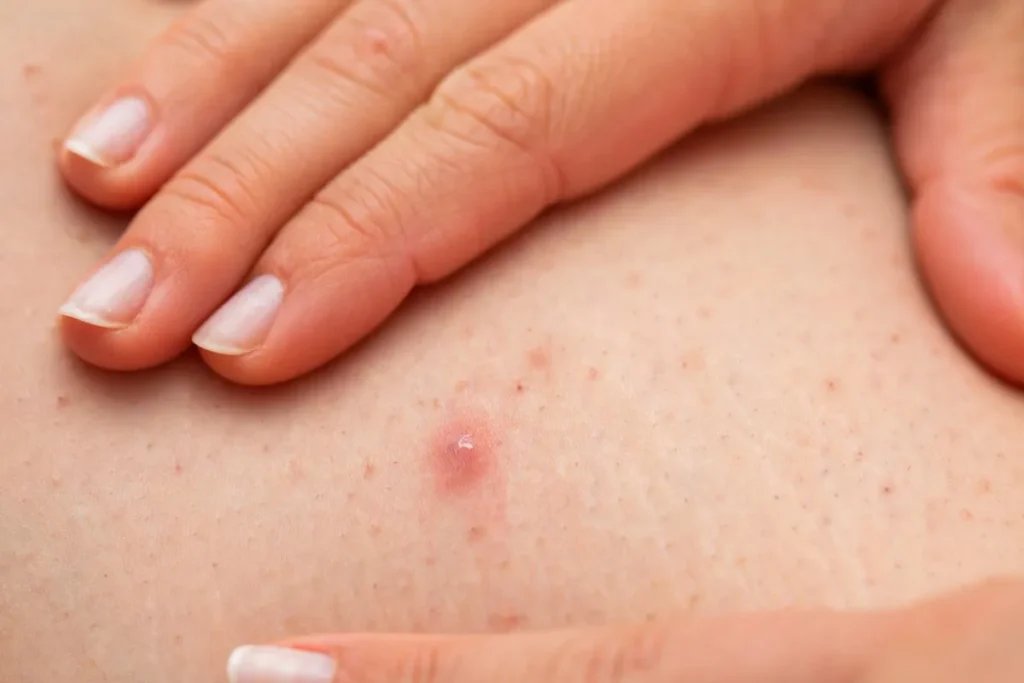
The first signs of folliculitis include redness, itching, and pus around hair follicles. It can also cause pain if the infection gets worse.
Redness and swelling around the hair follicle
Pus or discharge
Kaşıntı veya yanma hissi
Pain upon touching the affected area
How Boils Differ from Ingrown Hairs
Boils, or furuncles, are deeper infections with pus-filled abscesses. They are different from ingrown hairs, which happen when hair curls back into the skin. Both can be uncomfortable, but they need different treatments.
Boils are larger and more painful than ingrown hairs.
Ingrown hairs usually don’t have pus, unless they get infected.
Boils might need a doctor to drain them, while ingrown hairs can get better with good skin care.
Recognizing Carbuncles in the Groin Area
Carbuncles are a serious form of folliculitis. They are bigger and infect more hair follicles. Spotting carbuncles early is key to treating them well.
A larger, painful mass in the groin area
Multiple openings for pus drainage
Fever and general feeling of illness
Seeing a doctor is important if you think you have a carbuncle. They can get worse and cause serious problems if not treated.
Step-by-Step Treatment for Groin Folliculitis and Boils
To fight groin folliculitis and boils, start with home care, try OTC treatments, and know when to see a doctor. Understanding the condition and using a full treatment plan is key.
Immediate Home Care Measures
First, clean the area and use warm compresses to help the boil drain. Keeping it clean is vital to stop the infection from spreading. Dr. [Last Name] said,
Apply warm compresses several times a day.
Keep the area clean with mild soap and water.
Avoid tight clothing that can irritate the area further.
Over-the-Counter Treatment Options
For more treatment, try OTC antibiotics and antifungals. It’s essential to follow the product instructions and talk to a doctor if unsure. These treatments can help manage symptoms and stop the infection from spreading.
When to Seek Medical Intervention
If symptoms get worse or don’t get better, see a doctor. Signs that medical help is needed include more redness, swelling, or a big, painful boil. A doctor can give more advice and treatment, like stronger antibiotics if needed.
Controlling folliculitis and boils needs self-care, the right treatments, and doctor advice when needed. A personalized care approach helps achieve better results and lowers the chance of it coming back.
Conclusion: Preventing Recurrent Folliculitis in the Groin Area
Keeping your skin healthy is key to avoiding folliculitis, which often hits sensitive spots like the groin. Simple steps like keeping the area clean and dry can really help. This can cut down the chances of getting boils and folliculitis.
Wearing loose clothes and using clean razors are also smart moves. These actions can help stop staph folliculitis in the groin and buttocks. By doing these things, you can lower your risk of getting folliculitis and infections.
Preventing folliculitis is all about long-term health. Mix good hygiene with proper skin care for better results. This way, you can see a big drop in folliculitis and related issues. It’s not just about skin health; it’s about feeling good and confident too.
SSS
What is folliculitis and how does it occur in the groin area?
Folikülit is inflammation or infection of hair follicles. In the groin area, it commonly occurs due to shaving, friction from tight clothing, sweating, ingrown hairs, or bacterial infection (often Staphylococcus).
What are the differences between folliculitis, furuncles, and carbuncles?
Folliculitis → Small red or pus-filled bumps around hair follicles.
Furuncles (boils) → Deeper, painful infections of a single follicle forming a larger lump.
Carbuncles → A cluster of interconnected boils that form a deeper, more severe infection.
How can I differentiate between a boil and an ingrown hair in the groin area?
Ingrown hair → Small bump with visible trapped hair, mild tenderness.
Boil → Larger, painful, warm swelling that may fill with pus and worsen over days.
What are the early warning signs of folliculitis in the groin area?
Red bumps, itching, mild pain, pus-filled pimples, irritation after shaving, and tenderness around hair follicles.
What home care measures can I take to treat folliculitis and boils in the groin area?
Apply warm compresses 3–4 times daily, keep the area clean and dry, avoid shaving temporarily, wear loose cotton underwear, and avoid squeezing lesions.
How can I prevent recurrent folliculitis in the groin area?
Avoid tight clothing, practice proper shaving techniques (use clean razors, shave in direction of hair growth), maintain hygiene, shower after sweating, and consider antibacterial washes if recommended.
Can folliculitis and boils in the groin area be a sign of an underlying condition?
Yes. Recurrent cases may be linked to diabetes, obesity, weakened immunity, or chronic skin conditions.
Are there any specific treatments or products recommended for folliculitis and boils in the groin area?
Mild cases may respond to topical antibiotic creams, benzoyl peroxide washes, or antiseptic cleansers. More severe infections may require prescription oral antibiotics from a doctor.
Referanslar
Ulusal Biyoteknoloji Bilgi Merkezi. Kanıta Dayalı Tıbbi Öngörü. Erişim adresi https://pmc.ncbi.nlm.nih.gov/articles/PMC6513076/