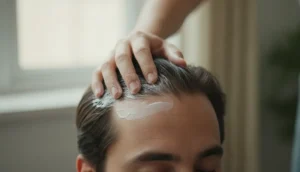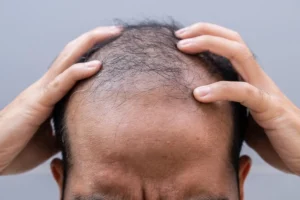
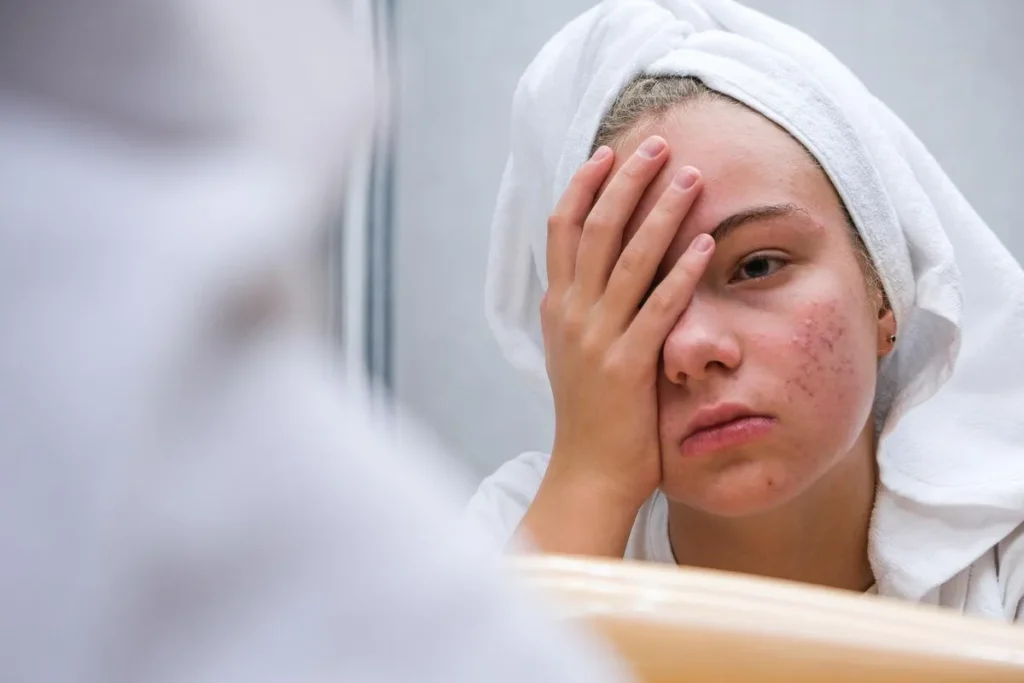
Folliculitis is a common skin issue that affects millions. It causes painful, inflamed hair follicles. This can make daily life uncomfortable and affect confidence. Studies show that using topical antibiotics and antifungal medications can help a lot.
Regaining confidence is possible with the right treatment. Knowing what causes folliculitis is key. By finding a personalized treatment approach, you can fix folliculitis and get your skin healthy again.
Önemli Çıkarımlar
Understanding the cause of folliculitis is key to treating it well.
Using both topical and oral antibiotics can help symptoms.
Antifungal meds are vital for fungal folliculitis.
Custom treatment plans can lead to better results.
Proper treatment can help you feel more confident and comfortable.
Understanding Folliculitis: Causes and Symptoms
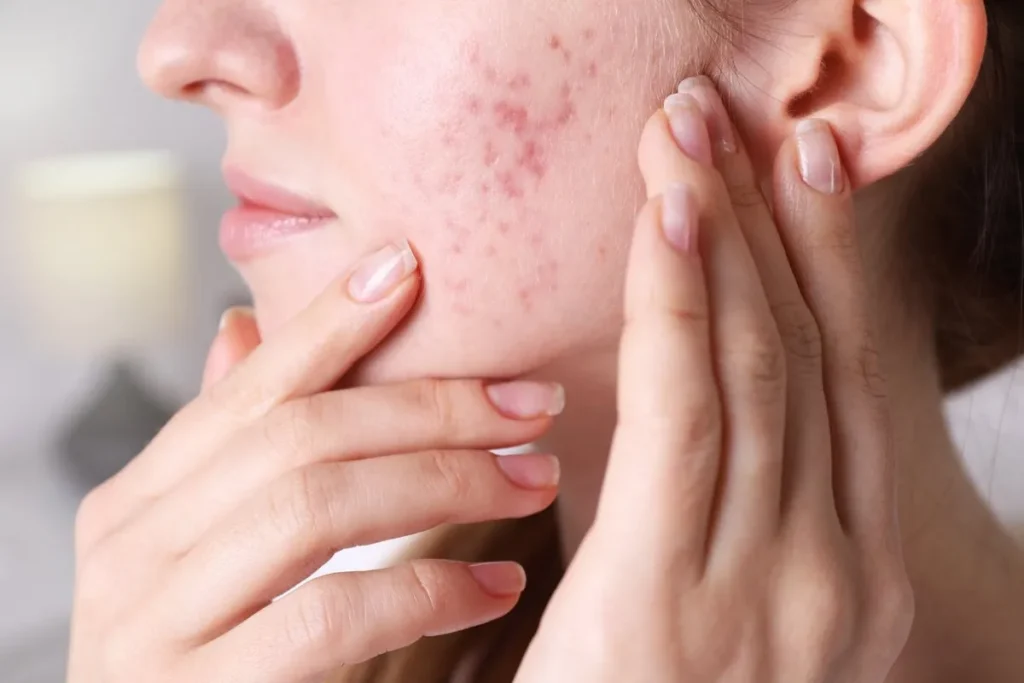
Folliculitis is a common skin issue that makes hair follicles inflamed. This leads to uncomfortable symptoms. Knowing the causes and symptoms is key to treating and preventing it.
Causes of Hair Follicle Inflammation
Folliculitis can be caused by many things, like bacteria, fungi, and viruses. Bacterial folliculitis, the most common, is often from Staphylococcus aureus. Fungal folliculitis is caused by Malassezia yeast. It can also happen from shaving, tight clothes, or blocked follicles from sweat or oily skin.
Bacterial infections, like Staphylococcus aureus
Fungal infections, such as those from Malassezia yeast
Viral infections
Irritation from shaving or tight clothing
Blocked follicles from heavy sweating or oily skin
Recognizing Symptoms on Shoulders, Back, and Neck
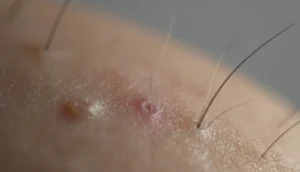
Folliculitis can happen anywhere but often affects the shoulders, back, and neck. It shows as itchy, red bumps or pustules that hurt when touched. In worse cases, it can turn into big, painful boils or abscesses.
Spotting these symptoms early is important for managing it well. If you have persistent or severe folliculitis, see a healthcare professional for the right diagnosis and treatment.
Folliculitis vs. Keratosis Pilaris: Key Differences
[Resmi buraya ekleyin]
Folliculitis and keratosis pilaris both show bumps on the skin, but they have different causes and treatments. Folliculitis is an inflammatory condition that affects hair follicles, usually caused by infections. Keratosis pilaris, on the other hand, is a benign condition caused by keratin buildup, leading to rough, dry skin and small bumps.
Distinguishing Infection from Keratin Buildup
The main difference between folliculitis and keratosis pilaris is their cause. Folliculitis is an infectious condition, often caused by bacterial or fungal infections that inflame hair follicles. Symptoms include redness, itching, and pus-filled bumps. In contrast, keratosis pilaris is a non-infectious condition caused by keratin buildup, leading to dry, rough skin and small, harmless bumps.
To tell them apart, look for signs of infection like redness, swelling, and pus in folliculitis. Keratosis pilaris, on the other hand, shows dry, rough patches and small bumps without infection signs.
Ne Zaman Tıbbi Yardım Alınmalı
If you’re not sure if you have folliculitis or keratosis pilaris, knowing when to see a doctor is key. If you have severe symptoms, like intense itching, pain, or widespread skin lesions, see a dermatologist. Folliculitis may need antibiotics or antifungal medications. Keratosis pilaris, while not needing treatment, can be managed with moisturizers and exfoliating treatments.
If your condition doesn’t get better or gets worse, or if you’re unsure of what you have, seeing a healthcare professional is important. They can give a proper diagnosis and suggest the right treatment based on your condition and its severity.
How Can I Treat Folliculitis: 7 Effective Methods

There are many ways to treat folliculitis, depending on the cause. Knowing the cause is key to picking the right treatment.
Topical Antibiotics for Bacterial Infections
For bacterial folliculitis, topical antibiotics are often the first choice. These creams or ointments are applied directly to the affected area. They help reduce the bacterial infection and inflammation. Neomycin and bacitracin are common topical antibiotics.
Applying topical antibiotics as directed is very important for effective treatment. Keeping the affected area clean also helps prevent the spread of infection.
Oral Antibiotics for Severe or Persistent Cases
When folliculitis is severe or doesn’t go away, oral antibiotics might be needed. These medications fight the infection from inside the body. Oral antibiotics are usually used for serious cases that don’t respond to topical treatments.
Antifungal Treatments for Malassezia Folliculitis
For folliculitis caused by the Malassezia fungus, antifungal treatments are needed. These include topical creams or shampoos and oral medications for severe cases. Antifungal treatments help reduce the fungal infection and inflammation.
Benzoyl Peroxide and Antimicrobial Cleansers
Benzoyl peroxide and other antimicrobial cleansers can treat folliculitis. They reduce bacteria on the skin and prevent infection. Benzoyl peroxide also has anti-inflammatory properties, reducing redness and swelling.
The table below shows treatment options for folliculitis based on the cause:
Understanding the cause of folliculitis and choosing the right treatment helps manage symptoms. It also reduces the risk of it coming back.
Conclusion: Preventing Folliculitis Recurrence
Preventing folliculitis is key to avoid its discomfort and scarring. Knowing how to prevent it can greatly lower the risk of it coming back.
Good hygiene is a must to prevent folliculitis. Avoid tight clothes that can rub and irritate. Use clean razors and shave right to prevent problems.
Keeping the skin clean and dry is also vital. This is true after working out or sweating. Use cleansers that fight bacteria and fungi, and benzoyl peroxide too.
By following these steps, you can keep your skin healthy and prevent folliculitis. This way, you can feel confident in your skin again. Proper prevention and treatment are the keys.
SSS
What is folliculitis and how is it caused?
Folliculitis is inflammation or infection of hair follicles causing red or pus-filled bumps. It is commonly caused by bacteria like Staphylococcus aureus, fungi, ingrown hairs, shaving, friction, or sweating.
How do I distinguish between folliculitis and keratosis pilaris?
Folliculitis appears as inflamed, sometimes painful or pus-filled bumps. Keratosis pilaris causes small, rough, dry bumps without infection, redness, or pus.
What are the most effective treatments for folliculitis?
Topical antibiotics, antibacterial washes (benzoyl peroxide), antifungal creams if fungal, and oral antibiotics for severe cases.
Can folliculitis be prevented?
Yes, maintain good hygiene, avoid tight clothing, shower after sweating, shave carefully with clean razors, and avoid heavy oily products.
How can I treat severe or persistent folliculitis?
See a doctor for oral antibiotics, antifungal medication, medicated cleansers, or laser hair removal in chronic cases.
What is the difference between viral folliculitis and other types of folliculitis?
Viral folliculitis is caused by viruses (such as herpes virus) and may cause painful grouped blisters, while bacterial and fungal types cause pus-filled bumps or itchy rashes.
How can I prevent folliculitis recurrence?
Keep skin clean and dry, avoid repeated shaving irritation, change razors regularly, treat underlying conditions, and wear loose clothing.
Is keratosis pilaris a form of folliculitis?
No, keratosis pilaris is a keratin buildup in hair follicles, not an infection or inflammation.
Can folliculitis be treated with over-the-counter medications?
Yes, mild cases can improve with antibacterial washes, benzoyl peroxide, salicylic acid, or antifungal creams.
How long does it take to recover from folliculitis?
Mild cases heal in 1–2 weeks, while severe cases may take several weeks with proper treatment.
Referanslar
Ulusal Biyoteknoloji Bilgi Merkezi. Kanıta Dayalı Tıbbi Öngörü. Erişim adresi https://pmc.ncbi.nlm.nih.gov/articles/PMC8130991/